How-To Run a Successful One-Shot Adventure

One of the most fun and engaging ways to play D&D is through a one-shot adventure. A one-shot adventure is a self-contained story that typically lasts for one session, usually around three to six hours. It’s a great way to introduce new players to the game, and it’s also perfect for more experienced players who want to try out new characters or play styles without committing to a long-term campaign. In this post, we’ll go over how to run a successful one-shot adventure for D&D.

  1. Choose an Appropriate Adventure

The first step in running a successful one-shot adventure is to choose an appropriate adventure. There are many different D&D modules and adventures to choose from, so it’s important to select one that is suitable for the amount of time you have available and the experience level of your players. Some adventures are designed to be completed in a single session, while others require multiple sessions to complete. Make sure you choose an adventure that fits your needs.

  1. Create Pre-Made Characters

For a one-shot adventure, it’s a good idea to create pre-made characters for your players. This way, they don’t have to spend time creating characters before the session, and you can ensure that all the characters are balanced and appropriate for the adventure. You can create the characters yourself, or you can use pre-made character sheets from the D&D Starter Set or other sources. Make sure you provide your players with a brief overview of their character’s abilities and backstory.

  1. Set the Scene

Once you have chosen an adventure and created pre-made characters, it’s time to set the scene. Describe the setting to your players and set the mood for the adventure. Are they exploring a dark and spooky dungeon, or are they on a quest to retrieve a valuable artifact from a wealthy merchant? Make sure your players know what they are getting into and what their objective is.

  1. Keep Things Moving

During a one-shot adventure, it’s important to keep things moving. You only have a limited amount of time, so you want to make sure you get through the adventure and reach a satisfying conclusion. Encourage your players to make decisions quickly and keep the action moving. If the players get bogged down in a single encounter or puzzle, you may need to nudge them along.

  1. Encourage Roleplaying

Roleplaying is an important part of D&D, and it’s especially important in a one-shot adventure. Encourage your players to roleplay their characters and interact with NPCs. This will help them become more invested in the adventure and will make the experience more immersive. Provide your players with plenty of opportunities to use their skills and abilities to overcome obstacles and solve puzzles.

  1. Use Music and Sound Effects

Music and sound effects can add a lot to the atmosphere of a D&D game. Consider using music and sound effects to enhance the mood of your one-shot adventure. You can find a variety of D&D-themed music playlists on Spotify or other streaming services, and there are also many online resources for sound effects. Using music and sound effects can help your players become more immersed in the adventure and make it more memorable.

  1. Be Flexible

As a DM, it’s important to be flexible during a one-shot adventure. Your players may come up with unexpected ideas or may decide to take the adventure in a different direction. Be prepared to adapt and change the adventure as needed to accommodate your players’ decisions. If your players decide to skip an encounter or take a different route than you had planned, don’t worry. Just go with the flow and keep the adventure moving.
  1. Provide Encounters and Puzzles

Encounters and puzzles are a crucial part of any D&D adventure, and they are especially important in a one-shot adventure. Make sure you provide your players with a variety of encounters and puzzles that challenge their skills and abilities. Mix things up with combat encounters, skill challenges, and puzzles that require creative thinking. Make sure the encounters and puzzles are appropriate for the level of your characters, and adjust the difficulty as needed.

  1. Build to a Climactic Conclusion

A one-shot adventure should build to a climactic conclusion that brings everything together. Make sure the final encounter or puzzle is challenging and satisfying, and provides a sense of closure for your players. This is your chance to deliver a memorable moment that your players will remember for a long time.
  1. Debrief and Get Feedback

After the adventure is over, take some time to debrief with your players and get feedback. Ask them what they liked and didn’t like about the adventure, and what you could have done differently. This feedback will help you improve your DMing skills and create better adventures in the future. It’s also a good idea to thank your players for playing and encourage them to come back for future games.

Running a successful one-shot adventure for D&D requires careful planning, flexibility, and a willingness to adapt. By following these 10 easy steps, you can create a memorable and enjoyable experience for everyone involved. Whether you’re a seasoned DM or a new player, a one-shot adventure is a great way to experience the excitement and creativity of Dungeons and Dragons.

Until next time, Dear Readers…

Happy Mother’s Day!

To all of the moms out there that love and support us, even in our nerdy hobbies and passions, we here at the Daily DM Blog want to say thank you.

Thank you isn’t enough to describe how much you all mean to us, and we salute you.

Happy Mother’s Day, Dear Readers!

Let’s Explore Character Classes!

In Dungeons and Dragons, players have the opportunity to create characters from a variety of classes, each with unique abilities and skills. Choosing a class is an essential step in character creation, as it determines the character’s abilities, strengths, and weaknesses. In this blog post, we will explore different character classes and their unique abilities, helping players to make informed decisions when choosing a class for their character.

  1. Barbarian The Barbarian is a fierce warrior who relies on their physical strength to overpower enemies. Their rage ability allows them to enter a state of intense anger, gaining extra damage and resistance to damage. Additionally, Barbarians have high hit points and can deal significant damage with their melee attacks. However, their reliance on physical strength means that they may struggle with spells and ranged attacks.
  2. Bard The Bard is a versatile class that can perform a variety of roles in a party. Their main ability is bardic inspiration, which allows them to provide allies with extra dice to add to their rolls. Bards also have a range of spells that can be used for offense, defense, and utility. Additionally, they have proficiency in a variety of skills, making them valuable for exploration and social encounters. However, Bards are not as strong in combat as other classes and may struggle with sustained damage output.
  3. Cleric The Cleric is a holy warrior who uses their divine powers to protect and heal allies. They have access to a wide range of spells that can be used for offense, defense, and utility. Additionally, Clerics have the ability to turn undead, making them particularly effective against undead enemies. However, their reliance on divine powers means that they may struggle with arcane spells and may be vulnerable to enemies who can disrupt their powers.
  4. Druid The Druid is a nature-based class that can shapeshift into different animals and use nature-based spells. They have access to spells that can heal allies, damage enemies, and control the battlefield. Additionally, their shapeshifting ability allows them to adapt to different situations, providing them with increased mobility and survivability. However, their reliance on nature-based spells means that they may struggle in environments that are not conducive to nature, such as dungeons or cities.
  5. Fighter The Fighter is a versatile class that specializes in combat. They have proficiency with all weapons and armor, making them deadly at close range. Additionally, they have access to different combat styles, such as archery or two-weapon fighting, allowing them to adapt to different combat situations. Fighters also have a high number of hit points, making them sturdy tanks. However, their focus on combat means that they may struggle with social encounters or puzzles that require creative thinking.
  6. Monk The Monk is a martial artist who uses their physical prowess and agility to defeat enemies. They have high mobility, making them difficult to hit, and their martial arts abilities allow them to deal significant damage with their melee attacks. Additionally, Monks have access to ki points, which they can use to perform powerful techniques, such as stunning enemies or deflecting projectiles. However, their reliance on physical abilities means that they may struggle with spells and ranged attacks.
  7. Paladin The Paladin is a holy warrior who uses their divine powers to protect and heal allies, as well as smite enemies. They have access to a wide range of spells that can be used for offense, defense, and utility, as well as the ability to turn undead. Additionally, Paladins have a high number of hit points and can deal significant damage with their melee attacks. However, their reliance on divine powers means that they may struggle with arcane spells and may be vulnerable to enemies who can disrupt their powers.
  8. Ranger The Ranger is a skilled hunter who specializes in tracking, survival, and ranged combat. They have proficiency with bows and other ranged weapons, making them deadly at long range. Additionally, Rangers have a variety of spells that can be used for offense, defense, and utility, such as healing or creating traps. They also have the ability to track enemies and navigate through wilderness environments. However, their focus on ranged combat means that they may struggle in close-range combat situations.
  1. Rogue The Rogue is a stealthy class that specializes in skills such as lockpicking, trap disarming, and stealth. They have proficiency in a variety of skills, making them valuable for exploration and social encounters. Additionally, Rogues have the ability to sneak attack, dealing extra damage when they catch enemies off-guard. They also have the ability to hide and move silently, making them difficult to detect. However, their focus on stealth means that they may struggle in direct combat situations.
  2. Sorcerer The Sorcerer is a spellcaster who draws their power from their innate magical abilities, rather than studying spells. They have access to a wide range of spells that can be used for offense, defense, and utility. Additionally, Sorcerers have the ability to cast spells without preparing them in advance, making them versatile in combat. They also have access to metamagic abilities, which allow them to modify their spells to increase their potency or change their effects. However, their reliance on innate magical abilities means that they may struggle with spells that require extensive study or preparation.
  3. Warlock The Warlock is a spellcaster who draws their power from a pact made with a powerful entity, such as a demon or an otherworldly patron. They have access to a limited number of spells, but their spells are more powerful than those of other spellcasters. Additionally, Warlocks have the ability to regain spell slots by taking short rests, allowing them to cast spells more frequently than other spellcasters. They also have access to eldritch invocations, which provide them with additional abilities or enhancements to their spells. However, their reliance on a powerful patron means that they may have to fulfill certain obligations or face consequences if they break their pact.
  4. Wizard The Wizard is a spellcaster who studies and prepares spells in advance, allowing them to cast a wide range of spells. They have access to a spellbook, which they can use to prepare spells each day. Additionally, Wizards have the ability to specialize in a particular school of magic, gaining additional benefits and abilities related to that school. They also have access to a variety of rituals, which can be used for utility or exploration purposes. However, their reliance on studying and preparing spells in advance means that they may struggle in unexpected or high-pressure situations.

Conclusion: Choosing a character class is an essential step in Dungeons and Dragons character creation. Each class has unique abilities and strengths, allowing players to create characters that excel in different areas. By understanding the strengths and weaknesses of each class, players can make informed decisions when choosing a class for their character, creating characters that are well-suited to their playstyle and preferences.

Monster Highlight: The Ankheg

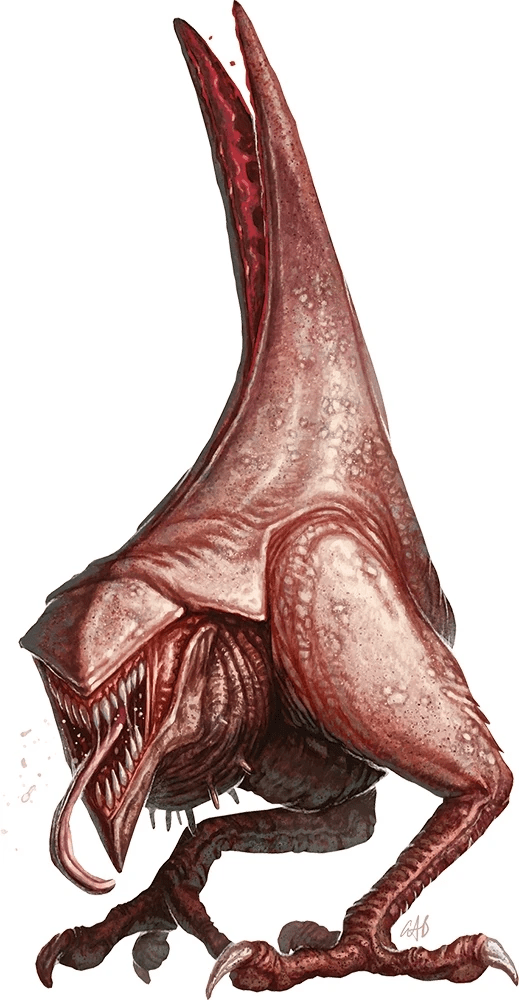
Ankhegs are insectoid creatures that are fearsome predators known for their ability to burrow underground and ambush unsuspecting adventurers, and they have been a staple of D&D campaigns for decades.

In this post, we will delve into the lore and abilities of ankhegs, as well as explore some tips for DMs and players on how to incorporate them into their game.

Image copyright Wizards of the Coast

Lore

Ankhegs are massive, predatory insects that are commonly found in underground tunnels, caves, and other subterranean areas. They are about 10 feet long and 3 feet wide, with six spindly legs and a long, curved mandible that can rip through armor and flesh with ease.

Ankhegs are solitary creatures that typically hunt by burrowing underground and waiting for prey to walk above them. Once they detect movement, they burst out of the ground and attack with their powerful mandibles.

Abilities

Ankhegs are fearsome predators with a number of powerful abilities that make them a formidable opponent for any adventurer. Here are some of their most notable abilities:

Burrowing: Ankhegs are able to burrow through dirt, sand, and even solid rock with ease. This allows them to move quickly and silently through underground tunnels and ambush their prey from below.

Acid Spray: Ankhegs have the ability to spray a stream of acid from their mandibles. This acid is highly corrosive and can melt through armor and weapons, making it a deadly weapon against any foe.

Bite: Ankhegs have a powerful bite that can do a significant amount of damage to even the toughest adventurers.

Tips for DMs

If you’re a DM looking to incorporate ankhegs into your game, there are a few things to keep in mind. Here are some tips to help make your ankheg encounters memorable and challenging:

Use their burrowing ability: Ankhegs are at their most dangerous when they are attacking from below. Use their burrowing ability to create surprise attacks on your players, and force them to adapt to the new situation.

Make use of their acid spray: Ankhegs have a powerful ranged attack in their acid spray. Use this ability to create additional challenges for your players, such as melting through a key piece of equipment or causing damage over time.

Vary their tactics: While ankhegs are solitary creatures, they are dumb (very low intelligence), they have a better than average Wisdom score. They will use their burrowing ability to try and flank their prey. Vary their tactics to keep your players on their toes.

Tips for Players

If you’re a player facing off against an ankheg, there are a few things to keep in mind to stay alive:

Stay mobile: Ankhegs can move through underground tunnels. Stay on the move to avoid being ambushed.

Protect yourself from acid: Ankhegs have a powerful acid spray that can melt through armor and weapons. Consider using spells or abilities that provide acid resistance to mitigate this damage.

Take advantage of their weaknesses: Ankhegs rely on their darkvision and tremorsense to detect creatures. Flying, floating, and being invisible are good ways to avoid an ankheg’s wrath.

Conclusion

Ankhegs are a classic D&D monster that have been terrorizing adventurers for decades. With their ability to burrow underground and powerful acid spray, they are a challenging opponent for any party. As a DM, use their abilities to create memorable encounters that force your players to adapt to new situations and work together to overcome them. And as a player, stay on your toes and be prepared to use your abilities strategically to take down these fearsome creatures.

Overall, ankhegs are a great addition to any D&D campaign. Their unique abilities and lore make them a memorable opponent, and their presence in underground tunnels and caves adds a sense of danger and mystery to the game. Whether you’re a DM looking to challenge your players or a player looking for a tough opponent, ankhegs are sure to deliver a memorable encounter.

Until next time, Dear Readers…

Premium Content: So There Was a Problem…

Dear Subscribers, there was…an issue…with the next few episodes of the Ingrates. The long and the short of it is that a few episodes were nothing but a few hours of no sound. Like…none. And this ranges from episodes 37-39, as well as for one of the ones in the 40’s. I know, not good. So, what’s going to happen, and soon once I can figure out what was on those episodes, is give an overview of what happened, in as much detail as possible, in those episodes. I am really hoping nothing particularly epic happened in those episodes, as it would be a ridiculous shame to miss out on them. But that’s how the cookie crumbles sometimes.

That all said, it’s going to be okay. Myself and my Editor are going to come up with a script explaining what happened and what transpired during those episodes. I’ll probably have to get some help from my players on that, but it’s going to be okay (as I’m more reassuring myself!).

Thanks for your patience and understanding!

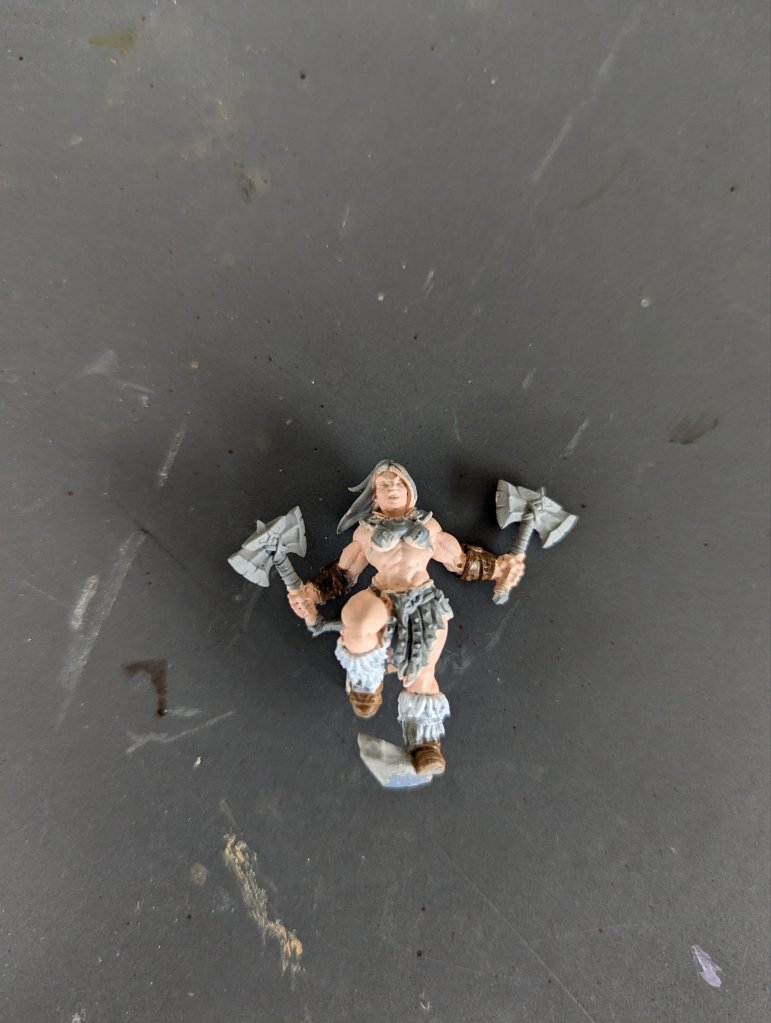
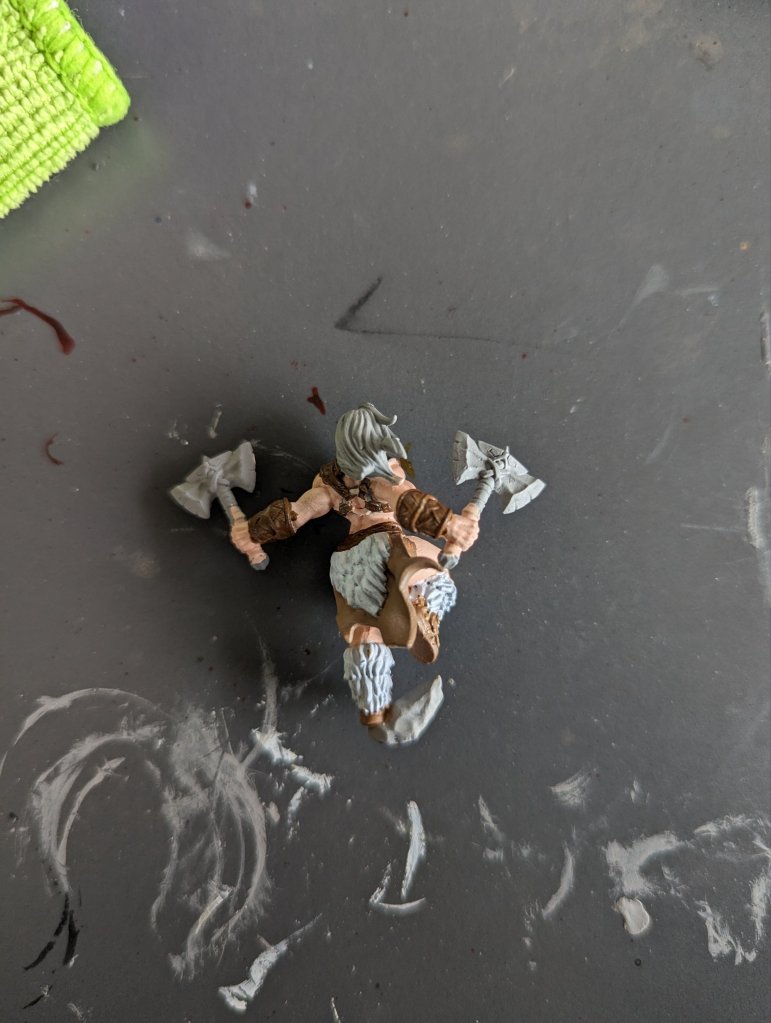
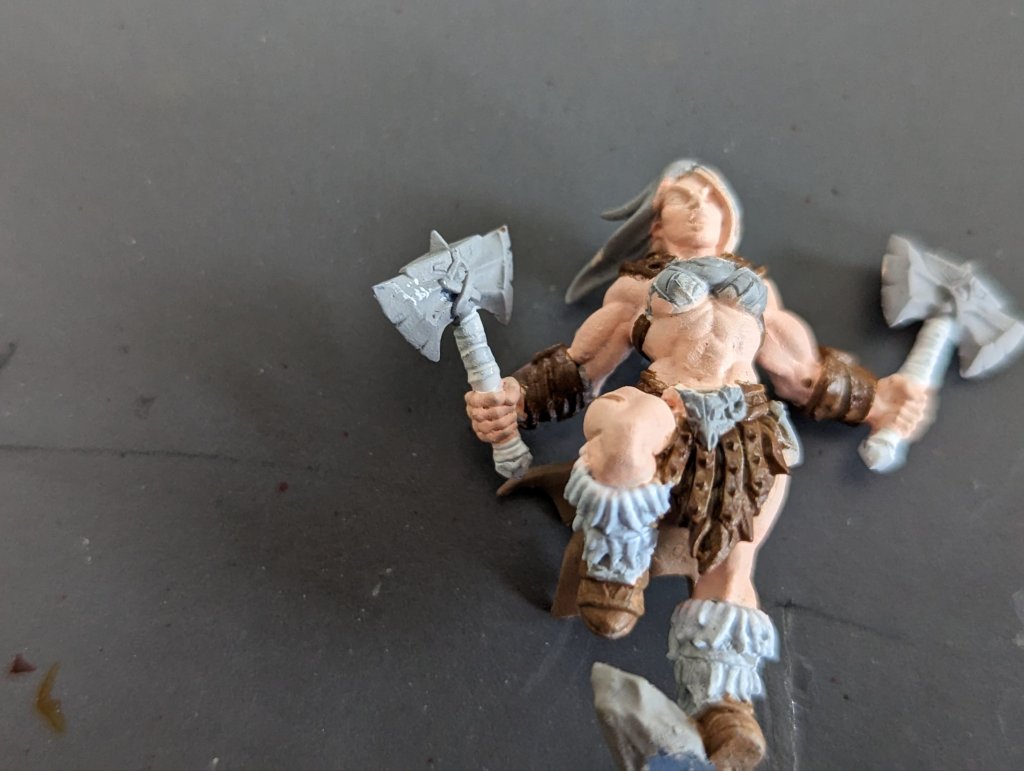
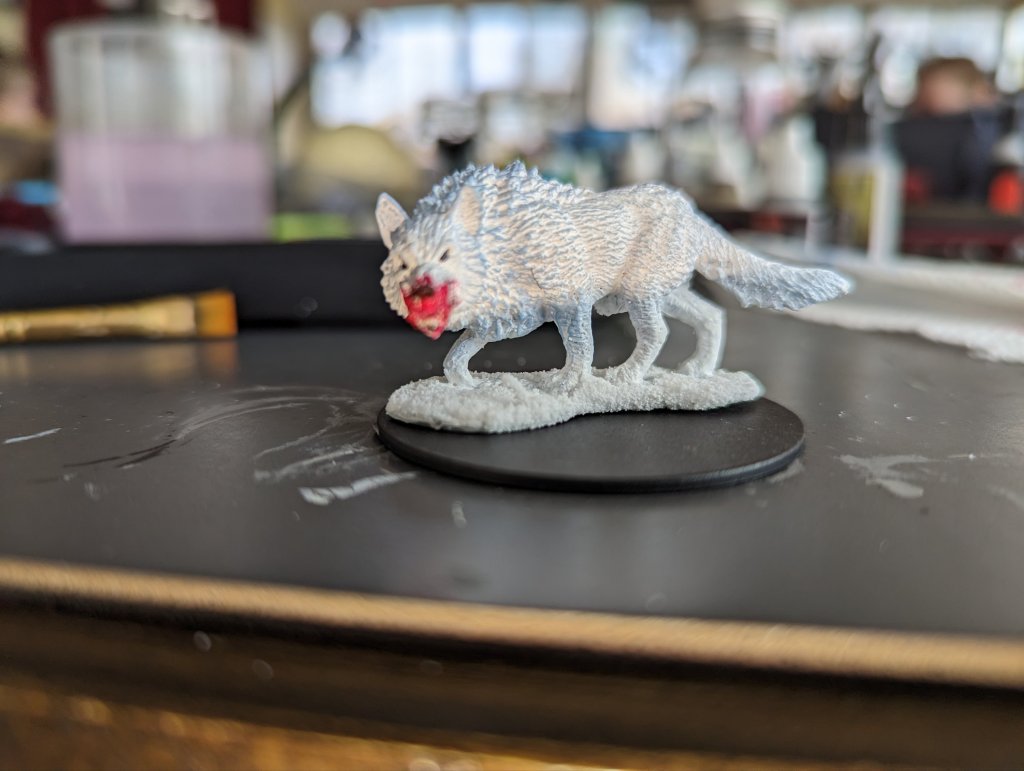
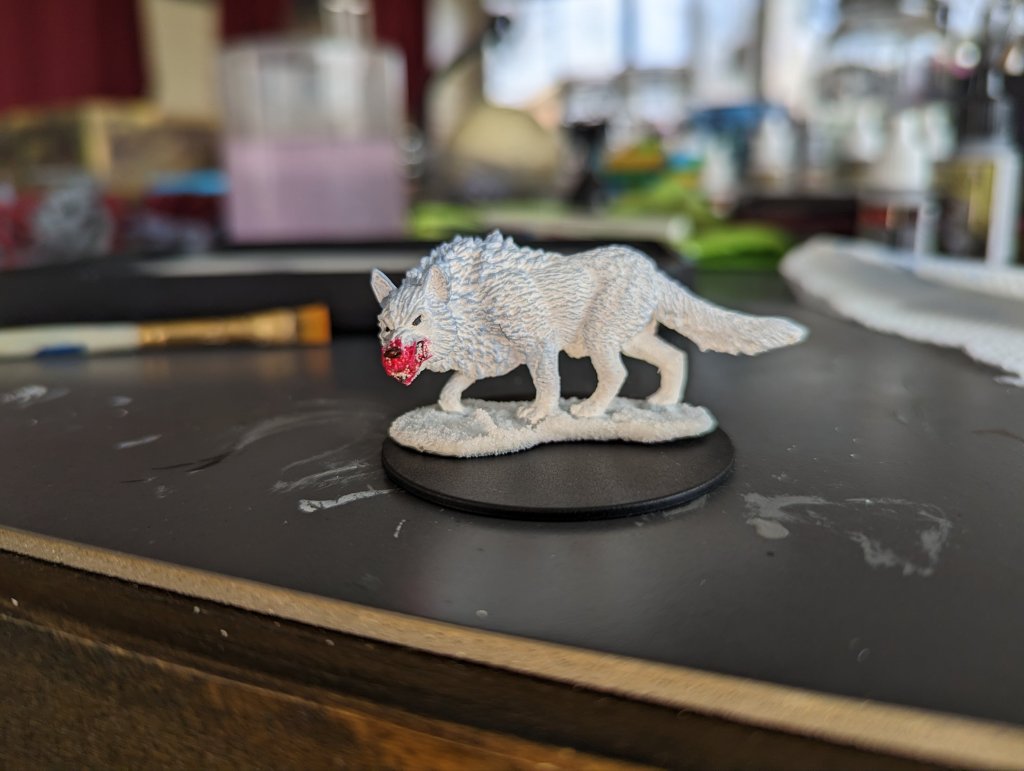
P.S. – I am WAY behind on my painting. Even as I write this, I am looking over towards where my painting desk is, knowing that I have no less than 7 or 8 commission works to do plus the mini I’m painting for our drawing winner!
Gah. Well, after this, y’all know what I’m doing…lol.

Until next time, Dear Subscribers…

The Ethical Implications of Player Actions in a D&D Campaign

As players navigate the world of D&D, they must make decisions that have ethical implications. These decisions may involve how they treat non-player characters (NPCs), how they handle conflicts, and how they interact with the world around them. In this blog post, we will explore the ethical implications of player actions in a D&D campaign.

The Importance of Ethics in D&D

Before we dive into the ethical implications of player actions in D&D, it is important to understand why ethics matter in the game. At its core, D&D is a collaborative storytelling game where players work together to create a narrative. As such, the actions of each player can have a significant impact on the overall story and the experiences of the other players. When players make ethical decisions in the game, they can create a more positive and fulfilling experience for everyone involved.

Furthermore, the decisions that players make in the game can also have real-world implications. Players may draw inspiration from their experiences in the game and apply them to their real-world lives. For example, a player who learns the importance of treating others with respect and kindness in the game may apply these values in their daily interactions with others.

The Role of the Dungeon Master

The Dungeon Master (DM) plays a crucial role in shaping the ethical implications of player actions in a D&D campaign. The DM is responsible for creating the world and the NPCs that the players interact with. They also set the tone and the moral compass of the game. As such, it is important for the DM to consider the ethical implications of the scenarios that they present to the players.

For example, if the DM creates a scenario where the players are asked to steal from innocent NPCs, they are sending a message that stealing is acceptable behavior. On the other hand, if the DM creates a scenario where the players must choose between two morally grey options, they are encouraging the players to think critically about the situation and make ethical decisions.

It is also important for the DM to be consistent in their application of ethical standards in the game. If the DM allows players to engage in unethical behavior without consequences, it sends a message that such behavior is acceptable. Conversely, if the DM consistently enforces ethical standards in the game, it reinforces the importance of ethical decision-making.

The Treatment of NPCs

One of the most common ethical dilemmas that players face in D&D is how to treat NPCs. NPCs are characters that the players interact with in the game, and they can range from innocent civilians to powerful rulers. How players treat these characters can have a significant impact on the overall story and the experiences of the other players.

One ethical consideration when it comes to NPCs is whether or not to kill them. In some scenarios, killing an NPC may be the only way to achieve a goal or complete a quest. However, players should consider the moral implications of taking a life, especially if the NPC is innocent or poses no threat to the players.

Another ethical consideration is how players interact with NPCs on a personal level. Players may be tempted to bully or mistreat NPCs, especially if they are perceived as weak or powerless. However, such behavior can have negative consequences, both in the game and in the real world. Treating NPCs with respect and kindness can not only create a more positive experience for everyone involved but can also reinforce the importance of treating others with empathy and compassion.

Conflicts and Violence

Conflict and violence are an inherent part of many D&D campaigns. Players may find themselves in situations where they must fight against enemies or engage in combat to protect themselves or others. While violence may be necessary in some situations, players should still consider the ethical implications of their actions.

One ethical consideration when it comes to violence is the use of excessive force. Players may be tempted to use lethal force in every situation, but this can have negative consequences both in the game and in the real world. Killing an opponent who is surrendering or incapacitated can be considered murder and can lead to consequences within the game, such as loss of reputation or criminal charges. Additionally, the normalization of excessive force in the game can have negative effects on players’ attitudes towards violence in the real world.

Another ethical consideration when it comes to violence is the use of torture. Torture is often portrayed as an effective means of obtaining information in movies and other media, but in reality, it is a heinous and unethical practice. Players who engage in torture in the game are sending a message that such behavior is acceptable, which can have negative consequences both in the game and in the real world.

Environmental Impact

In addition to the treatment of NPCs and the use of violence, players should also consider the environmental impact of their actions in the game. The world of D&D is often a fantastical world, but it still operates under certain laws of physics and biology. Players who engage in actions that harm the environment or wildlife can have negative consequences for themselves and others within the game.

For example, players who engage in deforestation or mining can have negative consequences for the local ecosystem. This can lead to consequences such as soil erosion, loss of biodiversity, and even natural disasters such as landslides or flooding. Players who engage in these activities should consider the impact of their actions and look for alternative solutions that do not harm the environment.

Conclusion

D&D is a game that allows players to explore a world of fantasy and imagination. However, the decisions that players make in the game can have real-world implications. As such, it is important for players to consider the ethical implications of their actions in the game. This includes how they treat NPCs, how they handle conflicts and violence, and how they impact the environment. By considering the ethical implications of their actions, players can create a more positive and fulfilling experience for everyone involved, both within the game and in the real world.

How-To DM: Balancing Encounters

As a Dungeon Master, one of the key responsibilities is to create encounters that are challenging and engaging for the players. Encounters can be anything from combat to puzzles, and they serve as a way to move the story forward and keep players invested in the game.

However, creating encounters that are both balanced and engaging is a challenging task. Too easy, and the players will become bored and disinterested. Too difficult, and they will become frustrated and disheartened. Balancing encounters is a delicate dance that requires careful consideration of both the type and challenge of each encounter.

The Type of Encounter

There are many types of encounters in roleplaying games, and each one serves a unique purpose in the game. Some of the most common types of encounters include: combat, puzzles, social interactions, and exploration. Let’s take a look at each type and find their strengths and weaknesses.

Combat encounters are perhaps the most common type of encounter in Dungeons and Dragons. They involve the players battling against monsters or other enemies, and they are a great way to add excitement and tension to the game. However, combat encounters can also become repetitive if they are used too often, and they can be overwhelming for players who are not accustomed to the game’s mechanics.

Puzzle encounters, on the other hand, are all about problem-solving. They require players to use their brains and work together to solve a mystery or overcome an obstacle. Puzzle encounters are a great way to add variety to the game and challenge players in new and exciting ways. However, they can also be frustrating for players who are not good at puzzles or who do not enjoy them.

Social encounters involve the players interacting with non-player characters (NPCs) and other players in the game. These encounters are all about role-playing and allow players to flex their creative muscles. They can be a great way to add depth to the game and develop the characters’ personalities. However, social encounters can be challenging for players who are shy or who struggle with improvisation.

Exploration encounters are all about discovering new places and uncovering hidden secrets. These encounters can be a great way to add depth to the game world and allow players to explore the setting in more detail. However, they can also be time-consuming and may not be everyone’s cup of tea.

The Challenge of the Encounter

Once you have decided on the type of encounter, the next step is to determine the challenge level. There are many factors to consider when creating a challenging encounter, including the players’ level, the number of players, the abilities of the players’ characters, and the type of encounter.

If an encounter is too easy, it will not be engaging or challenging for the players. They will breeze through it without breaking a sweat, and it won’t provide a sense of accomplishment or satisfaction. On the other hand, if an encounter is too difficult, the players may become frustrated or discouraged. They may feel like the game is unfair or that they are not skilled enough to succeed.

To balance the challenge level of an encounter, you need to consider the players’ level and the abilities of their characters. If the encounter is too difficult for the players’ level, they will struggle to survive. If it is too easy, they will not be challenged. Additionally, you need to consider the number of players in the game. An encounter that is easy for four players may be too difficult for three players, and vice versa.

Finally, the type of encounter is also a crucial factor in determining the challenge level. Combat encounters are generally more challenging than puzzle encounters, for example. Social encounters can be difficult if the players do not have the right skills or abilities. Exploration encounters can be challenging if the players are not well-equipped or do not have the right tools.

Balancing the Type and Challenge of Encounters

Balancing the type and challenge of encounters in Dungeons and Dragons is a crucial aspect of creating a successful and engaging game. The key is to create encounters that are both challenging and enjoyable for the players. Here are a few tips on how to achieve this balance:

  1. Consider the Players’ Preferences

The first step in balancing encounters is to consider the players’ preferences. Talk to your players and find out what types of encounters they enjoy the most. Some players may prefer combat encounters, while others may enjoy puzzles or social interactions. By understanding your players’ preferences, you can tailor your encounters to their interests.

  1. Vary the Types of Encounters

To keep the game fresh and engaging, it’s essential to vary the types of encounters. Don’t rely solely on combat encounters. Mix in puzzle, social, and exploration encounters to keep the players on their toes. By offering a variety of challenges, you can appeal to a broader range of players and keep everyone engaged.

  1. Consider the Players’ Abilities

When creating encounters, it’s crucial to consider the players’ abilities. If you have a group of new players, for example, you may want to start with easier encounters to help them learn the game mechanics. On the other hand, if you have experienced players, you may want to ramp up the difficulty to provide a challenge.

  1. Use Scaling

One of the most effective ways to balance encounters is to use scaling. Scaling involves adjusting the difficulty level of encounters based on the number of players and their abilities. For example, if you have a small group of players, you may want to scale down the difficulty of the encounters. Conversely, if you have a large group of experienced players, you may want to scale up the difficulty.

  1. Provide Opportunities for Character Development

Encounters can also be used as opportunities for character development. For example, a combat encounter can reveal a character’s bravery or cowardice. A puzzle encounter can demonstrate a character’s intelligence or problem-solving skills. By using encounters to develop characters, you can create a more immersive and engaging game.

  1. Use Feedback

Finally, it’s essential to use feedback from the players to improve your encounters. After each session, ask the players for their feedback on the encounters. Find out what they liked and what they didn’t like. Use this feedback to make adjustments and improve the game.

Conclusion

Balancing the type and challenge of encounters in Dungeons and Dragons is a crucial aspect of creating a successful and engaging game. By considering the players’ preferences, varying the types of encounters, considering the players’ abilities, using scaling, providing opportunities for character development, and using feedback, you can create a game that is both challenging and enjoyable for everyone involved. Remember, the key to a successful game is to keep the players engaged and invested in the story, and well-balanced encounters are a critical part of achieving this goal.

What do you think, Dear Readers? What kinds of encounters do you like to run? Which have been the most fun for you and your players? Let me know in the comments section below.

Until next time, Dear Readers…

The Significance of Dice Rolls and Probability in D&D Gameplay

Dear Readers, it has come to my attention that some of my posts lack a sense of context, in that new readers, or those new to D&D have zero idea what I’m talking about. As such, I will be trying to ensure my posts are clear to both new and veteran players alike!

Dice rolls and probability play a significant role in the gameplay of Dungeons and Dragons (D&D). As a tabletop role-playing game, D&D relies on the use of dice to determine the outcome of various actions, from combat to skill checks and more. In this blog post, we’ll explore the significance of dice rolls and probability in D&D gameplay, including how they impact gameplay, the mechanics of rolling dice in the game, and how players can use probability to their advantage.

To understand the significance of dice rolls and probability in D&D gameplay, it’s important to first understand how the game is played. D&D is a collaborative storytelling game in which players assume the roles of characters in a fantasy world. The game is led by a Dungeon Master (DM), who serves as the game’s referee and storyteller. The DM sets the stage for the adventure, creates the game’s narrative, and controls the world’s non-player characters (NPCs). The players then use their characters to explore the world, interact with NPCs, and engage in combat and other challenges.

Dice rolls are used in D&D to determine the outcome of actions that are uncertain or risky. For example, when a character attempts to attack an enemy in combat, they roll a twenty-sided die (known as a d20) to determine whether or not the attack is successful. The result of the roll is then modified by various factors, such as the character’s attack bonus and the enemy’s armor class, to determine the final outcome of the attack.

The use of dice rolls adds an element of unpredictability to the game, which can create tension and excitement for players. It also ensures that success in the game is not solely based on luck or chance, but rather on a combination of strategy, skill, and luck. This is one of the reasons why D&D is so popular among players of all ages and backgrounds.

The mechanics of rolling dice in D&D are relatively simple. Each type of die in the game is designated by a specific number of sides, ranging from four-sided dice (known as d4s) to twenty-sided dice (d20s). The type of die used is determined by the action being taken. For example, attacking in combat typically requires the use of a d20, while determining the amount of damage dealt requires the use of different dice depending on the weapon being used.

When rolling a die in D&D, the player rolls the die and adds any relevant modifiers to the result. Modifiers can come from a variety of sources, including the character’s ability scores, skills, and equipment. The result of the roll is then compared to a target number or threshold to determine the outcome of the action. For example, when attacking in combat, the target number is the enemy’s armor class. If the result of the roll plus the attacker’s modifiers is equal to or higher than the target number, the attack is successful.

While the use of dice rolls adds an element of unpredictability to the game, players can use probability to their advantage to improve their chances of success. Probability is a branch of mathematics that deals with the likelihood of events occurring. In D&D, probability can be used to determine the likelihood of rolling a certain result on a die, or the likelihood of success in a particular action.

For example, a d20 has twenty sides, so the probability of rolling any given number on the die is 1/20 or 5%. However, players can modify their chances of rolling a particular result by adding modifiers to their rolls. For example, a character with a +5 bonus to their attack roll has a 25% chance of rolling a 20 on a d20 (5% base probability plus 20% from the bonus). Understanding the probabilities of different actions in the game can help players make more informed decisions and develop effective strategies for success.

One way that players can use probability to their advantage is by maximizing their critical hit chances. In D&D, rolling a natural 20 on a d20 (i.e. rolling a 20 without any modifiers) is considered a critical hit, which typically deals double damage. Since the probability of rolling a natural 20 is only 5%, players can increase their chances of getting a critical hit by adding effects that give themselves (or others) advantage on a roll (meaning that the roller can roll twice and use the higher of the two rolls) thereby increasing the chance of rolling said critical hit.

On the other hand, players can also use probability to minimize the chances of critical hits from enemies. Since critical hits can be devastating, especially for characters with low hit points, it’s important for players to take steps to avoid them. This can be done by increasing the character’s armor class or using spells and abilities that grant defensive bonuses, or by giving enemies status effects that grant disadvantage to their rolls (to have the roller roll twice and then taking the smaller of the two rolls). By reducing the likelihood of critical hits, players can increase their chances of surviving combat encounters and achieving their goals.

Another way that players can use probability to their advantage is by understanding the odds of success for skill checks. In D&D, skill checks are used to determine the success of actions that require a particular skill, such as picking a lock or convincing an NPC to do something. Each skill check is associated with a difficulty class (DC), which is the target number that the player must meet or exceed to succeed. The DC is typically set by the DM based on the difficulty of the action and the character’s abilities.

By understanding the DC and their own abilities, players can calculate the probability of success for a given skill check. For example, if a character has a +5 bonus to their persuasion skill and the DC for convincing an NPC to do something is 15, the player has a 50% chance of success (the base probability of rolling a 10 or higher on a d20 plus the 5% bonus from the skill).

Understanding the odds of success for skill checks can help players make informed decisions about which actions to take and which skills to use. For example, if a player knows that their character has a low chance of success for a particular skill check, they may choose to try a different approach or use a different skill instead. This can help them avoid failure and the potential consequences that come with it.

In addition to using probability to improve their chances of success, players can also use probability to anticipate and mitigate risk. In D&D, there are many situations where the outcome of an action is uncertain and carries a certain degree of risk. For example, exploring a dungeon or confronting a dangerous monster can be risky, as there is always the possibility of injury or death.

By understanding the probabilities of different outcomes and the potential risks involved, players can develop strategies to minimize the risk and increase their chances of success. This can include using spells and abilities that grant defensive bonuses, scouting ahead to gather information, or working together as a team to overcome challenges.

In conclusion, dice rolls and probability play a significant role in the gameplay of Dungeons and Dragons. The use of dice rolls adds an element of unpredictability to the game, creating tension and excitement for players. Players can use probability to their advantage by understanding the odds of success for different actions, maximizing their critical hit chances, and anticipating and mitigating risk. By using probability to inform their decisions and develop effective strategies, players can improve their chances of success and achieve their goals in the game.

Monster Highlight: Alhoon

Dear Readers, Dungeons and Dragons has always been a game that has captured the imaginations of people around the world (including, obviously, yours truly!). From the moment that you roll your first set of dice, you are transported into a world of adventure and danger, where anything is possible.

One of the most fascinating creatures in the D&D universe is the Alhoon, a creature that is both intelligent and incredibly powerful. In this blog post, we will explore the history, abilities, and weaknesses of this fascinating creature, as well as how it fits into the overall D&D universe.

History of the Alhoon

The Alhoon is a creature that has a long and storied history within the D&D universe. Originally created by the mind flayers as a means of extending their own life spans, the Alhoon is a being that has been transformed from a mind flayer into something entirely different.

The process of becoming an Alhoon is a long and difficult one, involving the sacrifice of many other creatures. The mind flayer that wishes to become an Alhoon must first devour the brains of other mind flayers, absorbing their knowledge and power. Once they have done this, they must then consume the brains of other intelligent creatures, such as elves, dwarves, and humans.

This process takes years, and the Alhoon that emerges is a creature that is both intelligent and incredibly powerful. They have all of the powers and abilities of a mind flayer, but they are also able to use magic and possess other abilities that are not available to their lesser counterparts.

Image copyright Wizards of the Coast

Abilities of the Alhoon

The Alhoon is a creature that is incredibly powerful, possessing a wide range of abilities and powers that make it a formidable opponent in any battle. One of its most notable abilities is its use of psionics, which allows it to manipulate the minds of its enemies and allies alike.

In addition to its psionic abilities, the Alhoon is also a master of magic. It is able to cast spells from a wide range of schools, including necromancy, divination, and transmutation. This makes it incredibly versatile, as it is able to adapt to any situation and use its powers to gain an advantage.

The Alhoon is also incredibly agile and fast, able to move quickly and dodge attacks with ease. This makes it a difficult target to hit, as it is constantly moving and evading attacks.

Weaknesses of the Alhoon

Despite its incredible powers and abilities, the Alhoon is not invincible. It has several weaknesses that can be exploited by its enemies, and it is important to understand these weaknesses if you are going to defeat one of these creatures.

One of the most notable weaknesses of the Alhoon is its vulnerability to fire. This is because the process of becoming an Alhoon involves the absorption of a large amount of psychic energy, which makes them highly vulnerable to fire-based attacks.

The Alhoon is also vulnerable to attacks that target its mind. While it is incredibly intelligent, it is still a creature that relies on its brain to function. Attacks that disrupt its mental processes can be highly effective, as they can leave the Alhoon dazed and confused.

Finally, the Alhoon is vulnerable to attacks that target its physical body. While it is incredibly agile and fast, it is still a physical creature that can be injured and killed. Attacks that target its body, such as weapons and spells that deal physical damage, can be highly effective.

It’s worth noting that encountering an Alhoon in a D&D campaign can be a rare occurrence. These creatures are incredibly powerful and are typically only encountered in high-level campaigns. However, if your DM does choose to include an Alhoon in your campaign, be prepared for a challenging and exciting battle.

In terms of roleplaying, an Alhoon can make for a fascinating villain or ally. As a creature that was once a mind flayer, an Alhoon may struggle with its own identity and may have conflicting loyalties. It may be looking for a way to break free from its mind flayer masters, or it may be trying to harness its power to become a god-like being.

As an ally, an Alhoon could provide valuable insight and knowledge to the party, using its incredible intelligence and magic to help them succeed in their quests. However, its motivations may be questionable, and the party would need to be wary of any potential betrayals.

When all is said and done, the Alhoon is a fascinating creature that adds a new level of challenge and excitement to any D&D campaign. With its incredible powers and abilities, it is a formidable opponent that should not be underestimated. Understanding its history, abilities, and weaknesses is essential if you want to succeed in defeating one of these creatures. So, whether you’re a DM looking to challenge your players or a player looking for a new and exciting enemy, the Alhoon is a creature that should not be overlooked.

Until next time, Dear Readers…

Inglorious Ingrates Episode 16: The Life of the Party

The Ingrates are dealing with the aftermath of the “Off-site location” and the implications thereof. What will the Ingrates do next to cope with what they saw?

The Psychology of D&D

Dear Readers, in D&D, players create characters and embark on quests, engaging in combat and using their skills and abilities to overcome challenges. But beyond the surface-level gameplay, D&D is a fascinating platform for analyzing the psychology of both the players and the characters they create.

Last time, we discussed the benefits of playing D&D on mental health and social skills. In this post, we’ll explore some of the psychological factors at play in D&D, including the motivations of players, the personality traits of characters, and the ways in which gameplay can influence both.

Motivations of Players

The first step in analyzing the psychology of D&D is to consider why people play the game in the first place. There are many possible motivations for playing D&D, and these motivations can vary widely from person to person.

One common motivation is a desire for escapism. D&D allows players to step into a fantasy world and inhabit a character that is different from themselves. This can be a form of catharsis, allowing players to experience situations and emotions that they may not encounter in their everyday lives. Additionally, playing D&D can provide a sense of control and agency, which can be empowering for some players.

Another motivation for playing D&D is socialization. The game is typically played with a group of people, and the shared experience of playing can create a strong bond between players. This can be particularly appealing for individuals who may struggle with social anxiety or have difficulty making connections with others.

Finally, some players are motivated by the challenge of the game itself. D&D requires strategic thinking and problem-solving skills, and the satisfaction of overcoming difficult obstacles can be a powerful motivator for some players.

Personality Traits of Characters

Once players have decided to play D&D, the next step is to create a character. This process involves choosing a race, class, and background, as well as assigning abilities and skills. These choices can be influenced by a variety of factors, including the player’s own personality and values.

One key aspect of character creation is the choice of alignment. In D&D, alignment refers to a character’s moral and ethical code. There are nine possible alignments, ranging from lawful good to chaotic evil. The choice of alignment can provide insight into the player’s own values and beliefs, as well as their perception of the world around them.

For example, a player who chooses a lawful good alignment may value order and justice, while a player who chooses a chaotic neutral alignment may prioritize personal freedom and independence. These choices can also influence how the player approaches gameplay, as a character’s alignment can affect their interactions with non-player characters and their decisions during quests.

Another key aspect of character creation is the choice of race and class. These choices can reflect the player’s own interests and preferences, as well as their perception of themselves. For example, a player who chooses a dwarf character may identify with the character’s loyalty and love of tradition, while a player who chooses a wizard character may value intelligence and knowledge.

The choices made during character creation can also influence the player’s behavior during gameplay. For example, a player who creates a character with a high charisma score may be more likely to engage in social interactions with non-player characters, while a player who creates a character with a high strength score may prefer to engage in combat.

Gameplay and Psychology

Once characters have been created, the next step is to engage in gameplay. The way in which gameplay unfolds can have a significant impact on the psychology of both the players and the characters they create.

One key aspect of gameplay is the sense of agency it provides. Players are able to make decisions that directly impact the outcome of the game, and this sense of control can be empowering. Additionally, the ability to make decisions in a safe and controlled environment can help players develop their decision-making skills and confidence in their ability to make choices.

Another aspect of gameplay that can impact psychology is the element of risk. D&D involves a certain amount of chance, as players must roll dice to determine the outcome of actions such as combat or skill checks. This element of chance can create feelings of anticipation and excitement, as well as anxiety or disappointment if the outcome is unfavorable.

Additionally, the way in which the game is structured can impact the psychology of players. For example, a game that emphasizes combat and conflict may attract players who enjoy competition and aggression, while a game that emphasizes social interactions and problem-solving may attract players who value collaboration and creativity.

The choices made by players during gameplay can also provide insight into their psychology. For example, a player who consistently chooses aggressive or confrontational tactics may have a preference for conflict resolution, while a player who consistently chooses diplomatic or persuasive tactics may have a preference for collaboration and compromise.

The actions of characters in-game can also provide insight into their psychology. For example, a character who consistently chooses to help others and prioritize the well-being of the group may have a strong sense of empathy and social responsibility, while a character who consistently chooses to act in their own self-interest may be more individualistic or self-centered.

Finally, the social dynamics of gameplay can impact the psychology of players. D&D is typically played with a group of people, and the interactions between players can create a unique social dynamic. This dynamic can be influenced by factors such as personality differences, power dynamics, and group cohesion.

For example, a group with a strong sense of cohesion may be more likely to work together and collaborate effectively, while a group with interpersonal conflicts may struggle to make decisions or work towards common goals. Additionally, power dynamics within the group can impact individual behavior, as players may feel pressure to conform to group norms or assert their own dominance.

Conclusion

D&D is a complex game that involves a variety of psychological factors. From the motivations of players to the personality traits of characters and the dynamics of gameplay, there are many ways in which psychology intersects with the game.

Analyzing the psychology of D&D can provide insights into the motivations, values, and decision-making processes of players and characters alike. Additionally, understanding the psychological factors at play can help players and game masters create a more engaging and fulfilling gaming experience.

Ultimately, D&D is a fascinating platform for exploring the complexities of human psychology, and the game continues to captivate and inspire players around the world.

How-To DM: Session 0

Dear Readers, as a Dungeon Master (DM), it’s your job to create a world and story for your players to explore and interact with. One of the most important things you can do as a DM is to hold a “session zero” before you start your campaign. In this blog post, we’ll explore what a session zero is, why it’s important, and how to run one.

What is a Session Zero?

A session zero is a meeting between the DM and players before the campaign begins. It’s an opportunity for everyone to get on the same page and discuss expectations for the game. This includes things like character creation, house rules, and the overall tone of the campaign.

Why is a Session Zero Important?

A session zero is important for several reasons. First, it sets expectations for the campaign. By discussing things like the tone of the game and any house rules, everyone is on the same page about what kind of game they’ll be playing. This helps prevent misunderstandings and conflicts down the line.

Second, it allows players to create characters that fit into the world you’ve created. By discussing the setting and any restrictions on character creation, players can create characters that make sense in the context of the game.

Finally, a session zero is an opportunity to build camaraderie between the players. By discussing expectations and getting to know each other, players can form bonds that will make the game more enjoyable for everyone.

How to Run a Session Zero

Running a session zero is relatively straightforward. Here are some steps you can follow to ensure a successful session:

  1. Schedule the session: The first step is to schedule the session with your players. Make sure everyone is available and knows when and where the session will take place.
  2. Discuss the campaign setting: Start the session by discussing the setting of the campaign. This includes the world, the time period, and any major events that have occurred.
  3. Discuss character creation: Once everyone understands the setting, discuss character creation. This includes any restrictions on character creation, such as races or classes that are not allowed, and any guidelines for creating characters that fit into the world.
  4. Discuss house rules: If you have any house rules, such as modified combat rules or alternative spellcasting rules, discuss them with the players.
  5. Discuss the tone of the campaign: Discuss the tone of the campaign with the players. Will it be a serious, gritty campaign, or a lighthearted, comedic one? This helps everyone understand what kind of game they’ll be playing.
  6. Discuss expectations: Finally, discuss any expectations you have for the players, and allow them to express any expectations they have for the campaign.

By following these steps, you can ensure that everyone is on the same page and ready to start the campaign.

Conclusion

Running a session zero is an important part of any D&D campaign. It helps set expectations, allows players to create characters that fit into the world, and builds camaraderie between the players. By following the steps outlined in this blog post, you can run a successful session zero and set the stage for an enjoyable campaign.

Did I miss anything? If you feel so, leave it in the comments section below! Don’t forget to like and subscribe to get more great content!

Until next time, Dear Readers…

Project I’m Excited About – Battletech: Mercenaries

Dear Readers, it should come as no surprise to you, especially since I’ve talked about it in the past, that I am a huge Battletech fan. Like, second only to D&D, I love Battletech.

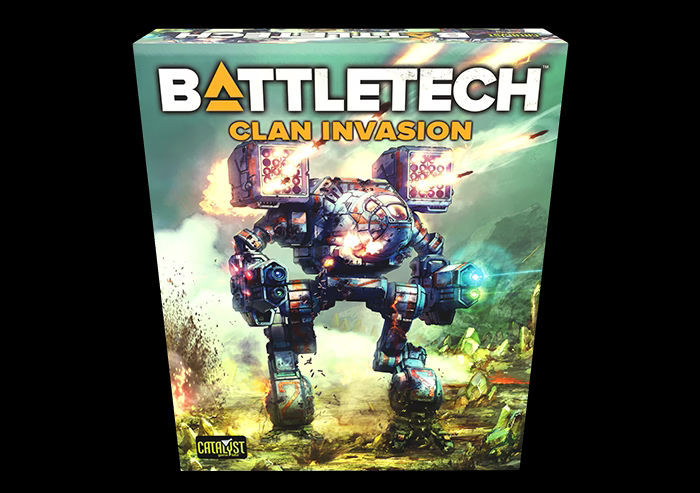
For those who aren’t aware, Battletech is a tabletop war game of giant stompy robots. As the picture above shows, the giant robots, known as battlemechs, are kings of the future battlefield, bringing enough firepower to level cities, and is only opposed by others of their kind.

Here’s the primer for Battletech to give you an idea:

“BattleTech is a science-fiction “space opera” set in the factional, militarized universe of the thirty-first century. Humanity has spread to the stars and spawned titanic interstellar empires, each controlling hundreds of worlds across a combined region of space stretching more than a thousand light years.

Following the rise of six Great Noble Houses, a mighty Star League was forged, heralding a golden age of prosperity.

However, treachery undermined the Star League and led to the murder of the First Lord and the fall of House Cameron. The rulers of the remaining five Great Houses each proclaimed themselves the new First Lord of the crumbling Star League, and thus began the Succession Wars.

For twelve generations, armies of BattleMechs have clashed across more than 2,000 colonized planets of the Inner Sphere, visiting such destruction on humanity’s technological capabilities that old, scavenged ‘Mechs often outperform newly built models.

The year is 3025, and the scars of the Third Succession War remain a fresh memory across the entire Inner Sphere. All five Houses have paused their military campaigns in hopes of rebuilding their armies and rediscovering part of their lost technological base.

Whether wet-behind-the-ears recruits or grizzled veterans, mercenaries are the wild card that can tip the balance in combat. These MechWarriors run the razor’s edge between legend and destruction, and possess the necessary skills and the right amount of luck to snatch victory from the jaws of defeat.

THIS is BattleTech.”

Like I said, giant stompy robots!

In any case, the game is a tabletop miniatures wargame with the battelmechs, tanks, aircraft, and infantry (poor blokes!) fighting it out on a futuristic battlefield.

Now, on to what I’m excited about:

Catalyst Game Labs, the current holder (and a good holder they’ve been!) of the Battletech IP, has had a number of releases, all coming out of Kickstarter.

First was the basic set and the Game of Armored Combat.

This box set re-introduced the game to the world, this time with high-quality plastic miniatures instead of the more pricey metal/pewter miniatures used in the past. It gave us 8 plastic models and the rules for what is now called Battletech Classic. Don’t get me wrong, I have a special place in my heart for Classic. I cut my teeth on Classic. But it gets so in the weeds and so complicated with multiple tables just to fire off a single shot! I loved Classic, but then I discovered Alpha Strike.

My, oh, my!

All image rights held by owner

As I’ve discussed in the past, this version of Battletech is much more simply played, and one can more easily control larger number of ‘mechs.

In any case, they continued forward in the timeline, to the infamous Clan Invasion.

The invading clans came into the picture like a wreaking ball, stopped by one guy and the future equivalent of the phone company (read: Comstar).

Well, fast forward and we get to the ilClan era. Long story short, the goal of the clans was to re-take Terra. After the fight with Comstar, which resulted in a 15-year peace treaty. Once the treaty ended, Clans Wolf and Jade Falcon made a dash for Terra, with them having taken the planet. They fought it out and Clan Wolf won out.

And during this whole time, there is one “faction” that remained: the Mercenaries.

This leads us to the newest set coming out next year (although Kickstarter backers will get their stuff by end of this year!).

It is going to be amazing.

Personally, I’m backing at the Batallion Level, trying to get the most for my money. And since it opened (it was fully funded in less than 45 seconds, if you can believe), it has finally (today or yesterday) hit the $5.5 million mark, unlocking a bunch of stretch goals, including a few blind booster boxes and three additional forcepacks.

Good times.

Well, that’s all I had for today. Thanks for being here, and don’t forget to like and subscribe!

Until next time, Dear Readers…

The Benefits of Playing D&D For Mental Health and Social Skills

While Dungeons and Dragons (and table top RPGs in general) is known for its fantastical elements, it offers many benefits beyond entertainment. In this blog post, we will explore the benefits of playing D&D for mental health and social skills.

  1. Boosts Creativity and Imagination

One of the most significant benefits of playing D&D is that it boosts creativity and imagination. The game allows players to create their characters, stories, and worlds. They have the freedom to make decisions and solve problems creatively. This process encourages players to think outside the box and develop unique solutions to challenges they face in the game.

Moreover, players can visualize and imagine their characters’ worlds, which helps them build their creativity and imagination. This aspect is especially beneficial for individuals who struggle with creative thinking or have a hard time expressing their ideas in a social setting.

  1. Develops Problem-Solving and Critical Thinking Skills

D&D is a game of problem-solving and critical thinking. Players must use their intelligence, creativity, and problem-solving skills to overcome challenges presented in the game. They must also think critically about the decisions they make and how they may affect the story and other players.

This process encourages players to develop their critical thinking skills, such as reasoning, analysis, and evaluation. They learn to make informed decisions based on the information presented to them, which can help them in their personal and professional lives.

  1. Fosters Social Interaction and Communication Skills

Playing D&D is a social activity that involves multiple players working together to achieve a common goal. Players must communicate with one another to coordinate their actions and make decisions as a team. They must also negotiate and compromise to ensure everyone has a chance to contribute to the game.

This process fosters social interaction and communication skills, such as active listening, empathy, and effective communication. Players learn to communicate their thoughts and ideas clearly and respectfully, which can help them in their personal and professional relationships.

  1. Reduces Stress and Anxiety

Playing D&D can be a great way to reduce stress and anxiety. The game provides a safe and supportive environment where players can escape from their daily stressors and focus on a fun and engaging activity. Moreover, the game encourages players to be themselves and express their creativity and imagination freely, which can help reduce anxiety and build confidence.

Additionally, playing D&D can help players develop coping mechanisms for stress and anxiety. They learn to approach challenges and problems with a calm and logical mindset, which can help them manage stress in their personal and professional lives.

  1. Builds Self-Esteem and Confidence

Playing D&D can be a great way to build self-esteem and confidence. The game allows players to explore different aspects of their personality and character, which can help them build a positive self-image. Moreover, the game provides a safe and supportive environment where players can express themselves freely and receive positive feedback from their peers.

Furthermore, playing D&D can help players develop their leadership skills and take charge of situations. They learn to make decisions and take responsibility for their actions, which can help build confidence in their personal and professional lives.

  1. Improves Memory and Cognitive Functioning

Playing D&D can also help improve memory and cognitive functioning. The game involves remembering rules, characters, and storylines, which can help players build their memory skills. Moreover, the game requires players to think critically and creatively, which can help improve cognitive functioning.

Furthermore, playing D&D can be especially beneficial for older adults who may be experiencing cognitive decline. The game provides a fun and engaging way to stimulate their brains and keep their cognitive skills sharp.

Conclusion

In conclusion, playing D&D offers many benefits beyond just entertainment. It can improve mental health and social skills by boosting creativity and imagination, developing problem-solving and critical thinking skills, fostering social interaction and communication skills, reducing stress and anxiety, building self-esteem and confidence, and improving memory and cognitive functioning.

D&D is a game that brings people together, encourages creativity and imagination, and provides a fun and engaging way to develop skills that are beneficial in many aspects of life. It is a great way to escape from the stressors of daily life and immerse oneself in a world of adventure and fantasy. D&D can be played by people of all ages and backgrounds, making it a fantastic way to connect with others and build lasting friendships.

In addition, playing D&D has become more accessible in recent years. With the rise of online platforms and virtual tabletops, players can connect with others from all over the world and play from the comfort of their own homes. This has made it easier for people to access the benefits of playing D&D, especially for those who may not have access to physical game stores or groups.

Overall, if you are looking for a fun and engaging way to improve your mental health and social skills, consider giving D&D a try. With its many benefits and growing accessibility, it may be just what you need to boost your creativity, problem-solving skills, and confidence, all while having a great time with others.

Monster Highlight: Gem Dragons

Hey there Dear Readers, have you ever encountered a gem dragon in your Dungeons and Dragons campaign? My DMs out there, have you used them before? If not, you’re missing out on one of the most fascinating and unique creatures in the game.

Gem dragons are a subset of dragons that are associated with different types of precious gems, each with its own unique abilities and characteristics. They first appeared in the 2nd edition of the game and have since become a favorite among players and dungeon masters alike.

There are five types of gem dragons in Dungeons and Dragons: amethyst, crystal, emerald, sapphire, and topaz. Let’s take a closer look at each one:

Amethyst dragons are associated with the purple gemstone of the same name. They are solitary creatures that prefer to spend their time meditating and contemplating the mysteries of the universe. They are also known for their telepathic abilities, which they use to communicate with other creatures.

Crystal dragons are associated with clear crystals and are known for their transparency and reflective abilities. They are also incredibly intelligent and are often consulted by other dragons for their wisdom and insight.

Emerald dragons are associated with the green gemstone of the same name. They are masters of the forest and are often found living in wooded areas. They are also powerful healers and are known for their ability to regenerate and rejuvenate themselves and others.

Sapphire dragons are associated with the blue gemstone of the same name. They are skilled hunters and are known for their agility and speed. They are also masters of the air and are often found flying high above the ground.

Topaz dragons are associated with the yellow-orange gemstone of the same name. They are powerful and aggressive creatures that are not to be underestimated. They are also skilled miners and are known for their ability to locate and extract rare minerals and precious metals.

Each gem dragon has its own unique set of abilities and characteristics, making them a fascinating addition to any Dungeons and Dragons campaign. As a player, encountering a gem dragon can be both exciting and daunting, as they are incredibly powerful creatures that should not be taken lightly.

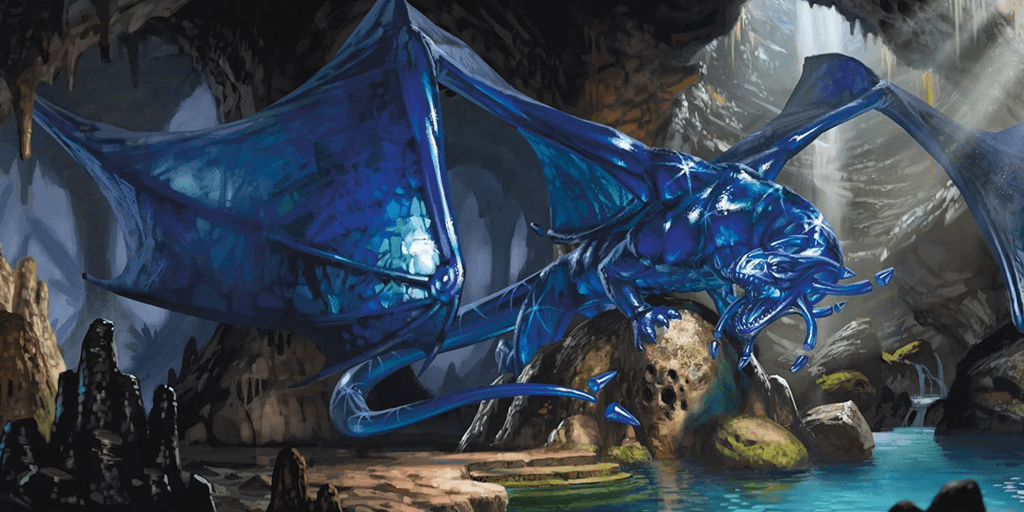
A sapphire dragon
photo copyright Wizards of the Coast

One of the most interesting aspects of gem dragons is their association with precious gems. In Dungeons and Dragons, gemstones are often associated with magical properties, and gem dragons are no exception. Many of their abilities are tied to the properties of their associated gemstone.

For example, amethyst dragons are known for their psychic abilities, which are linked to the calming and soothing properties of amethyst. Crystal dragons are known for their reflective abilities, which are linked to the clarity and purity of crystal. Emerald dragons are known for their healing abilities, which are linked to the life-giving properties of the emerald. Sapphire dragons are known for their speed and agility, which are linked to the clear and sharp properties of the sapphire. Topaz dragons are known for their strength and aggression, which are linked to the warm and vibrant properties of topaz.

In addition to their magical abilities, gem dragons are also fascinating creatures from a lore perspective. They are often associated with the elements, with amethyst dragons being associated with air, crystal dragons being associated with water, emerald dragons being associated with earth, sapphire dragons being associated with air, and topaz dragons being associated with fire.

This elemental association can add an extra layer of complexity to encounters with gem dragons. Depending on the situation, a gem dragon’s elemental affinity can be used to your advantage or it can be a serious hindrance.

For example, if you’re facing off against a sapphire dragon in a wide-open field, its ability to fly and move quickly through the air could make it nearly impossible to hit with ranged attacks. On the other hand, if you’re facing off against a crystal dragon in a cavern filled with water, its reflective abilities could be used to your advantage by bouncing spells and attacks back at it.

Gem dragons also have unique personalities and quirks that can make them both challenging and intriguing to interact with. For example, amethyst dragons are known for their love of puzzles and riddles, and they may be more likely to engage in negotiations or challenges rather than outright combat.

On the other hand, topaz dragons are known for their fiery tempers and may be quick to attack without warning. These personality traits can add an extra layer of unpredictability to encounters with gem dragons, keeping players on their toes and forcing them to adapt to different situations.

Another interesting aspect of gem dragons is their lairs. Each type of gem dragon has a lair that is uniquely suited to their abilities and preferences. For example, a crystal dragon’s lair may be filled with reflective surfaces and hidden chambers, while an emerald dragon’s lair may be a verdant forest filled with magical flora and fauna.

Exploring a gem dragon’s lair can be a challenging and rewarding experience for players, as they must navigate treacherous terrain and face off against the dragon’s guardians and traps. However, the rewards for successfully defeating a gem dragon and looting its lair can be well worth the risk, with magical artifacts, precious gems, and powerful spells all up for grabs.

In conclusion, gem dragons are a fascinating and unique addition to the world of Dungeons and Dragons. Their magical abilities, elemental associations, and unique personalities make them intriguing creatures to encounter, while their lairs offer players a chance to test their skills and reap valuable rewards.

As a dungeon master, incorporating gem dragons into your campaign can add an extra layer of depth and complexity to your world, challenging your players to think strategically and adapt to different situations. And as a player, encountering a gem dragon can be both thrilling and intimidating, forcing you to make split-second decisions and use all of your abilities to emerge victorious.

So the next time you’re adventuring through the wilderness or exploring a dungeon, keep an eye out for gem dragons. You never know what kind of treasures and challenges they may have in store. Happy hunting!

Until next time, Dear Readers…

P.S. – I forgot to announce the winner of the Miniature Giveaway! Congratulations to @nicsayer109! You get the miniature of your choice for me to paint and give you updates on every week (until done!), and then send out to you!

The Inglorious Ingrates Episode 15 – The Prophecy

The Ingrates are back at it again, this time finding out secrets that no one was meant to find. They also deal with the consequences of the last battle!

Premium Content: The Inglorious Ingrates Episode 36 – Matrimony By Combat

Dacyria is trying to get married, but someone wants to contest her relationship to her mate, Arkon! How is this going to go with a “Trial by Combat” for Arkon’s hand? Find out in this week’s episode of The Inglorious Ingrates!

Subscribe to get access

Read more of this content when you subscribe today.

Understanding the Different Alignments in D&D and How to Roleplay Them

One of the key aspects of character creation in D&D is choosing an alignment. An alignment is a philosophical and moral outlook that helps define a character’s beliefs, motivations, and actions. There are nine different alignments in D&D, which can be broken down into three categories: Lawful, Neutral, and Chaotic. In this blog post, we’ll take a closer look at each alignment and how to roleplay them.

Lawful Alignments

Lawful Good: A character with a lawful good alignment believes in doing what is right and just, even if it means sacrificing their own well-being. They respect authority and follow the law, but they will always try to use their power for good. They believe in the inherent goodness of people and will work to help others, regardless of the risk to themselves. Roleplaying a lawful good character means playing a hero who strives to do the right thing, even when it is difficult or dangerous. They are the type of character who will defend the innocent and fight for justice, even if it means going against powerful opponents.

Lawful Neutral: A character with a lawful neutral alignment is all about maintaining order and following the rules. They believe that the law is the ultimate authority and will follow it to the letter, regardless of their personal feelings or beliefs. They are often bureaucrats, judges, or soldiers who work within the system to maintain order and stability. Roleplaying a lawful neutral character means playing a character who is methodical and meticulous, and who values order and structure above all else. They are not necessarily good or evil, but they will always follow the rules, even if it means going against their personal beliefs.

Lawful Evil: A character with a lawful evil alignment is all about power and control. They believe in a strict hierarchy of power and will use any means necessary to achieve their goals. They may be ruthless and cruel, but they will always abide by their own sense of law and order. They are often tyrants, dictators, or other powerful leaders who maintain strict control over their subjects. Roleplaying a lawful evil character means playing a villain who is calculating and cunning, and who is willing to do whatever it takes to gain power and maintain control. They may use deception, manipulation, or even violence to achieve their goals, but they will always do so within the bounds of their own sense of law and order.

Neutral Alignments

True Neutral: A character with a true neutral alignment is all about balance and neutrality. They do not take sides in conflicts and are not motivated by any particular ideology or belief. They may be indifferent to good or evil, and will often act on their own self-interest. They are often loners or wanderers who seek to find their own path in life. Roleplaying a true neutral character means playing a character who is detached and objective, and who does not take sides in conflicts. They may be reluctant to get involved in any conflicts, preferring to remain neutral and aloof.

Chaotic Neutral: A character with a chaotic neutral alignment is all about freedom and individualism. They reject authority and structure, and believe in living life on their own terms. They may be unpredictable and impulsive, but they are always true to themselves. They are often adventurers or outcasts who live outside of society’s norms. Roleplaying a chaotic neutral character means playing a character who is unpredictable and free-spirited, and who may not always act in a logical or rational manner. They may be driven by personal desire or curiosity, and may not always consider the consequences

Anthony Krones

continue

of their actions.

Chaotic Alignments

Chaotic Good: A character with a chaotic good alignment is all about freedom and justice. They believe in doing what is right, even if it means going against authority or established rules. They are often rebels, crusaders, or other idealists who fight against oppression and injustice. Roleplaying a chaotic good character means playing a hero who is willing to take risks and defy authority in order to do what is right. They may be seen as troublemakers or agitators, but they always act with the best of intentions.

Chaotic Neutral: (Note: Chaotic Neutral was already covered in the Neutral Alignments section.)

Chaotic Evil: A character with a chaotic evil alignment is all about destruction and chaos. They believe in the power of violence and will use it to achieve their goals. They may be sadistic or sociopathic, and may take pleasure in causing pain or suffering. They are often criminals, murderers, or other types of villains who revel in chaos and destruction. Roleplaying a chaotic evil character means playing a character who is driven by a desire for power and destruction. They may be unpredictable and violent, and may cause chaos and destruction wherever they go.

How to Roleplay Alignments

When roleplaying a character in D&D, it is important to consider their alignment and how it affects their beliefs, motivations, and actions. Here are some tips for roleplaying each alignment:

Lawful Good: A lawful good character is driven by a sense of justice and morality. They believe in doing what is right, even if it means going against authority or established rules. They are often seen as heroes or champions of the people. When roleplaying a lawful good character, focus on their sense of justice and desire to help others. They may be willing to sacrifice their own well-being for the greater good, and may go to great lengths to protect the innocent and defend the weak.

Lawful Neutral: A lawful neutral character is driven by a desire for order and stability. They believe in following the rules and maintaining the status quo. They may be seen as bureaucrats or soldiers who work within the system to maintain order. When roleplaying a lawful neutral character, focus on their methodical and meticulous nature. They may be reluctant to take risks or act on their own initiative, preferring to follow orders and stick to established procedures.

Lawful Evil: A lawful evil character is driven by a desire for power and control. They believe in a strict hierarchy of power and will use any means necessary to achieve their goals. They may be seen as tyrants or dictators who maintain strict control over their subjects. When roleplaying a lawful evil character, focus on their cunning and ruthlessness. They may be willing to use deception or violence to achieve their goals, and may not hesitate to sacrifice others for their own gain.

True Neutral: A true neutral character is driven by a desire for balance and neutrality. They do not take sides in conflicts and are not motivated by any particular ideology or belief. They may be seen as loners or wanderers who seek to find their own path in life. When roleplaying a true neutral character, focus on their detachment and objectivity. They may be reluctant to get involved in conflicts, preferring to remain neutral and aloof.

Chaotic Good: A chaotic good character is driven by a desire for freedom and justice. They believe in doing what is right, even if it means going against authority or established rules. They may be seen as rebels or crusaders who fight against oppression and injustice. When roleplaying a chaotic good character, focus on their passion and idealism. They may be willing to take risks and defy authority in order to do what is right, and may be seen as troublemakers or agitators.

Chaotic Neutral: Chaotic neutral characters are driven by a desire for personal freedom and are willing to do whatever it takes to achieve their goals, even if it means breaking rules or causing chaos. Chaotic neutral characters value personal freedom above all else. They may be willing to break rules, defy authority, or act impulsively in pursuit of this freedom. Chaotic neutral characters can be unpredictable and difficult to control. They may act impulsively or change their mind at the last minute. Chaotic neutral characters are not bound by a strict moral code like lawful or good characters. Instead, they have their own personal code of ethics that may be influenced by their own desires or circumstances. Chaotic neutral characters are often willing to take risks and embrace danger in pursuit of their goals.Chaotic neutral characters may be difficult to work with, but finding a reason to collaborate with others can help to create a more interesting and dynamic story. When roleplaying a chaotic neutral character, focus on their desire for freedom, be unpredictable, follow your own moral code, take risks, and find a reason to work with others to create a compelling and memorable story.

Chaotic Evil: A chaotic evil character is driven by a desire for power and destruction. They believe in the power of violence and will use it to achieve their goals. They may be seen as sadistic or sociopathic, and may take pleasure in causing pain or suffering. When roleplaying a chaotic evil character, focus on their unpredictability and disregard for rules. They may be willing to use any means necessary to achieve their goals, and may cause chaos and destruction wherever they go.

It’s important to remember that these are just general guidelines, and that not all characters within a particular alignment will behave in exactly the same way. Additionally, a character’s alignment may shift over time as they experience different events and make different choices.

One of the most important things to keep in mind when roleplaying a character’s alignment is consistency. It’s important to make sure that the actions and decisions of your character are consistent with their alignment. This helps to create a more immersive and believable experience for everyone at the table.

It’s also important to remember that alignment is just one aspect of a character’s personality, and that there are many other factors that can influence their behavior. A character’s backstory, beliefs, and personality traits can all have an impact on how they behave in different situations.

Finally, it’s important to remember that alignment is just a tool for roleplaying, and that it’s ultimately up to the players to decide how they want to interpret and use it. Some groups may choose to place a greater emphasis on alignment, while others may prefer to downplay its importance in favor of other aspects of the game.

In closing, alignment is an important aspect of roleplaying in Dungeons & Dragons, and understanding the different alignments can help you create more believable and interesting characters. Whether you’re playing a lawful good paladin or a chaotic evil rogue, it’s important to remember that your character’s alignment is just one aspect of their personality, and that there are many other factors that can influence their behavior.

When roleplaying a character’s alignment, it’s important to focus on consistency and make sure that their actions and decisions are consistent with their alignment. Additionally, it’s important to remember that alignment is just a tool for roleplaying, and that it’s ultimately up to the players to decide how they want to interpret and use it.

With these tips in mind, you’ll be well on your way to creating compelling and interesting characters that are true to their alignment and make your D&D adventures even more enjoyable.

Until next time, Dear Readers…

How-To DM: Dealing With Character Death

All jokes aside, in most tabletop roleplaying games, death is a very real possibility for player characters. Whether it is the result of a failed saving throw, a critical hit from a powerful enemy, or some other unfortunate circumstance, character death can be a devastating experience for players. Dealing with character death in a way that is respectful and meaningful can be a challenge, but it is an important part of the game.

The first thing to consider when dealing with character death is the emotional impact it can have on players. For many players, their characters are an extension of themselves, and losing a character can feel like a personal loss. It is important to acknowledge this and to allow players to express their feelings about the loss of their character.

One way to do this is to hold a memorial service or a moment of silence for the fallen character. This can give players a chance to say goodbye to their character and to reflect on the impact they had on the game. It can also be a way to honor the character’s achievements and to celebrate their life.

Another important consideration when dealing with character death is the impact it can have on the story. Losing a character can have far-reaching consequences, both in terms of the narrative and in terms of gameplay. It is important to take these consequences into account and to adjust the story and the game mechanics accordingly.

For example, if the deceased character was a key part of the party’s quest, the party may need to find a new way to complete their mission. If the character had valuable skills or abilities that were essential to the party’s survival, the party may need to find a way to fill that gap. This can be an opportunity for the remaining players to step up and take on new roles within the party.

One of the most important things to remember when dealing with character death is to be fair and consistent. Players should feel that their characters’ lives are in their hands, and that the consequences of their actions are real. This means that death should be a possibility for all characters, not just those who are in combat or who are taking big risks.

It is also important to establish clear rules and expectations around character death. Players should understand that death is a possibility, and that there are consequences for their actions. They should also understand what happens to their characters when they die, and what their options are for creating a new character.

One option for players who have lost a character is to create a new character to join the party. This can be a chance to try out a new race or class, or to explore a different aspect of the game. It is important to work with the DM to ensure that the new character fits seamlessly into the story and the party dynamic.

Another option for players who have lost a character is to continue playing as a non-player character (NPC). This can be a way to keep the character’s story alive and to continue to contribute to the party’s success. It is important to work with the DM to ensure that the NPC’s actions are consistent with their character and that they do not overshadow the other players.

Ultimately, dealing with character death in Dungeons and Dragons is about finding a balance between respecting the emotional impact of the loss and maintaining the integrity of the game. It is important to be fair and consistent, to communicate clearly with players, and to work together to find a solution that honors the fallen character and keeps the game moving forward.

In conclusion, character death is an inevitable part of playing Dungeons and Dragons. While it can be a difficult and emotional experience, it is also an opportunity to reflect on the impact of the character’s life and to explore new aspects of the game. By approaching character death with respect and sensitivity, players and DMs can navigate this challenging aspect of the game and emerge stronger for it.

What do you think, Dear Readers? How do you deal with a player character death? What about an NPC death? Let me know in the comment section below!

Until next time, Dear Readers…

D&D Direct Stream – TL;DR Edition

Dear Readers, as many of you may have heard, Wizards of the Coast recently released a D&D Direct stream, to discuss all of the things that are in the works for D&D over the next year.

Here’s the TL;DR…

  1. Minecraft D&D – In partnership with Minecraft, you will soon be able to play D&D but in Minecraft, fighting D&D monsters *in* Minecraft. Pretty cool.
  2. The D&D Movie – Had an early release, but it officially releases this weekend. By all accounts, it’s a good flick. I look forward to seeing it with Mrs. Daily DM this weekend.
  3. playdnd.com – takes you to dndbeyond.com to create a character.
  4. JoCat song about D&D – pretty cute and fun, and let’s be real, it’s JoCat, so it’s a good laugh; check it out
  5. D&D Magic the Gathering Crossover Part III – Guess what, yeah, another crossover, this time with the D&D movie. Woopee.
  6. Drizzt Series End: The Way of the Drow – Sounds good. May be the end of Drizzt Do’Urden!
  7. D&D VTT – Finally, they are getting this truly rolling. Playtesting will be slowly rolled out, with late 2023 being the goal for that starting; my guess will be D&D Beyond Subscribers, and even then, higher tier subscribers
  8. Life-sized “Minis” – A life-sized Mimic and baby owlbear miniature. Wish I had room to get one; especially the mimic.
  9. D&D Documentary – Joe Manganiello directing and hosting a D&D documentary celebrating the 50 Year anniversary of the game
  10. Mysteries of the Multiverse – Lots of stuff here; Venger from the D&D Cartoon making a return, New Red Wizards adventure in 2025, New adventure with Vecna (2024?); the story of the Deck of Many Things, a new supplement (Bigby Presents Glory of the Giants), new info and story on the giant obelisks throughout the FR adventures, and the release of PLANESCAPE!!!

That last one can’t be stressed enough. A lot of people were really looking forward to the release of Planescape as a D&D setting. I think that the only setting more looked forward to is one that they are still working on, which is likely going to be Dark Sun. But we’ll see.

Well, Dear Readers, this was the Too Long; Didn’t Read (or watch, in this case) for the D&D Direct Stream. What did you think? Let me know in the comments section below.

Until Next time, Dear Readers…

Painting Update: Female Human Barbarian

Dear Readers, I’ve made some good progress on the miniature this week!

Here, see what I mean:

As you can see my progress is, indeed, coming along. I started with painting her bracers. I then moved on to her skirt, belt, and boots. For the boots, I’m using one color of brown, for the belt and harness and the skirt, I’m using a much darker brown called Rigid Leather. I like the darker tone of that to represent armors more than others. I haven’t come across a miniature wearing just plain leather armor so I couldn’t tell you, but I think I would use a lighter brown for that particular miniature.

That all said, I got the rest of her skirt done and then remembered that I wanted to paint the handles of her axes using speed paints. Only problem? I primed her in gray. I really got to remember to stop doing that. In any case, I painted them white so that I can get a good coat of a favorite speed paint on there.

I ended with the goat skull belt buckle. Yeah, I got a little bit of black on the thigh, but that’ll be easily fixed later.

Well, what do you all think? Let me know in the comments section below.

Until next time, Dear Readers…

Premium Content: Miniature Giveaway & New Monster

Dear Subscribers, I’m here to announce two things, firstly, is that at the end of this week, I’ll be selecting a random miniature in my “box of shame” to paint for one lucky subscriber, posting pictures on my Painting Updates and sending it out to you!

For those of you who are unaware, my “box of shame” is the box of miniatures that I own that is, so far, unpainted. With the sheer volume of paint commissions, and projects that I work on for my weekly games, the box continues to fill, having more miniatures added than which are painted.

SO!

Here are the contenders…

Subscribe to get access

Read more of this content when you subscribe today.

Subscribe to get access

Read more of this content when you subscribe today.

Let me know which one you think I should paint in the comments section below!

And now, the new monster…

Subscribe to get access

Read more of this content when you subscribe today.

As you can see, this is one tough encounter! Enjoy using it!

Until next time, Dear Subscribers…

P.S. – If you aren’t one of our Premium Subscribers, consider becoming one and support our site! This will enable you to get access to our premium content as well as access to our premium giveaways!

Exploring Different Types of Magic Seen in D&D

Magic is a core element of most fantasy RPGs. From casting spells to wielding magical weapons, magic can add a unique and exciting aspect to gameplay. However, not all magic is created equal. There are different types of magic in D&D, each with its own unique flavor and mechanics. In this post, we’ll explore some of the different types of magic in D&D and how they can be used in gameplay. Keep in mind that some of these may overlap and that I’m not always referring to schools of magic, although some are discussed.

  1. Arcane Magic

Arcane magic is the most common type of magic in D&D. It is the magic of wizards, sorcerers, and other spellcasters who use arcane energies to cast spells. Arcane magic is based on the manipulation of magical energy, and it is often associated with intelligence and study. Spellcasters who use arcane magic can learn and cast a wide variety of spells, from fireballs to teleportation.

In terms of gameplay, arcane magic is versatile and powerful. Arcane spellcasters can deal damage, heal allies, and manipulate the battlefield in a variety of ways. However, arcane magic is often limited by the number of spell slots available to the spellcaster, which can lead to strategic choices about which spells to use and when.

  1. Divine Magic

Divine magic is the magic of clerics, paladins, and other holy warriors. It is the magic of the gods and is often associated with wisdom and faith. Divine spellcasters can call upon the power of their deity to cast spells that heal allies, smite enemies, and bolster their own abilities.

In terms of gameplay, divine magic is often focused on healing and support. Divine spellcasters can heal allies and remove negative effects, as well as providing buffs and bonuses to their allies. Divine magic is also effective against undead and demonic creatures, which are often immune to other types of magic.

  1. Elemental Magic

Elemental magic is the magic of the four classical elements: earth, air, fire, and water. Elemental spellcasters can harness the power of the elements to cast spells that deal damage, manipulate the environment, and control creatures.

In terms of gameplay, elemental magic can be very powerful. Elemental spellcasters can deal a lot of damage with their spells and can control the battlefield by manipulating the environment. However, elemental magic is often limited by the types of creatures and environments encountered, as some creatures may be immune or resistant to certain types of elemental magic.

  1. Necromancy

Necromancy is the magic of death and undeath. Necromancers can raise undead creatures, drain life from their enemies, and manipulate the forces of life and death.

In terms of gameplay, necromancy can be both powerful and controversial. Necromancers can raise armies of undead creatures to fight for them, which can be very effective in combat. However, the use of necromancy is often viewed as evil or taboo, which can lead to social and political consequences for the necromancer and their party.

  1. Illusion Magic

Illusion magic is the magic of deception and misdirection. Illusionists can create illusions that fool the senses, confuse enemies, and create distractions.

In terms of gameplay, illusion magic can be very effective in social and investigative situations. Illusionists can create illusions to distract guards or impersonate someone else, which can help the party achieve their goals. However, illusion magic is often less effective in combat situations, where enemies are less likely to be fooled by illusions.

  1. Enchantment Magic

Enchantment magic is the magic of influence and manipulation. Enchanters can charm, dominate, and control the minds of their enemies.

In terms of gameplay, enchantment magic can be very effective in social and investigative situations, as enchanters can use their abilities to persuade or manipulate others. Enchantment magic can also be very powerful in combat situations, as enchanted enemies can become allies or be forced to turn on each other. However, the use of enchantment magic can also be controversial, as it raises questions about free will and consent.

  1. Shadow Magic

Shadow magic is the magic of darkness and stealth. Shadow casters can manipulate shadows, hide in darkness, and create illusions that deceive the senses.

In terms of gameplay, shadow magic can be very effective in stealth and infiltration situations. Shadow casters can use their abilities to hide in darkness and avoid detection, as well as creating illusions to deceive guards or bypass traps. However, shadow magic is often less effective in combat situations, where enemies may have means of seeing through illusions and detecting hidden enemies.

  1. Elemental Evil Magic

Elemental evil magic is the magic of chaos and destruction. Elemental evil spellcasters can harness the power of the four elements in their raw, destructive forms.

In terms of gameplay, elemental evil magic can be very powerful, dealing a lot of damage and causing chaos on the battlefield. However, elemental evil magic is often viewed as inherently evil, and its use can lead to social and political consequences for the spellcaster and their party.

  1. Blood Magic

Blood magic is the magic of sacrifice and pain. Blood mages can use their own blood or the blood of others to cast powerful spells that deal damage or provide benefits.

In terms of gameplay, blood magic can be very powerful, allowing blood mages to cast spells that deal a lot of damage or provide powerful benefits. However, the use of blood magic is often viewed as taboo and dangerous, as it involves sacrificing one’s own or others’ blood, which can have serious consequences.

In conclusion, exploring different types of magic in Dungeons and Dragons can add a new layer of depth and complexity to gameplay. Each type of magic has its own unique flavor and mechanics, providing players with a variety of ways to approach challenges and conflicts. Whether you choose to play as an arcane spellcaster, a divine warrior, or a shadow caster, the possibilities for magic in D&D are endless. So, embrace your magical abilities and let the magic of D&D transport you to a world of wonder and adventure.

Until next time, Dear Readers…

Monster Highlight: The Abyssal Chicken

Dear Readers, in the world of Dungeons and Dragons, there are countless creatures that players can encounter on their adventures. Some are powerful and dangerous, while others are quirky and comedic. One of the more unusual creatures in the game is the Abyssal Chicken, a diminutive bird-like monster that is known for its strange abilities and unpredictable behavior.

The Abyssal Chicken is a creature that is native to the Lower Planes, the chaotic and dangerous realms that are home to demons, devils, and other monstrous beings. It is a small, bird-like creature that stands about two feet tall and has dark, mottled feathers. Its beady eyes are bright yellow, and its beak is sharp and curved like a parrot’s.

Despite its small size, the Abyssal Chicken is a formidable creature. It is known for its ability to teleport short distances, which it can use to evade attacks or surprise its enemies. It also has sharp talons and a powerful beak, which it can use to deliver devastating attacks in combat.

Picture copyright Wizards of the Coast

But what really sets the Abyssal Chicken apart is its strange abilities. It is said that these creatures have a magical aura that can cause strange and unpredictable effects. For example, some Abyssal Chickens have been known to cause nearby creatures to levitate uncontrollably, while others have caused objects to spontaneously combust.

The origins of the Abyssal Chicken are shrouded in mystery. Some believe that these creatures were created by powerful wizards as an experiment in creating new life, while others believe that they are the result of some dark, arcane ritual. Regardless of their origins, the Abyssal Chicken is a creature that is feared and respected by many adventurers.

Despite their fearsome reputation, however, Abyssal Chickens are not always hostile. In fact, they are known for their curious and playful nature, and will often approach travelers to investigate them. It is not uncommon for adventurers to encounter an Abyssal Chicken that is more interested in playing than fighting.

Interacting with an Abyssal Chicken can be a strange and unpredictable experience. These creatures are highly intelligent, and seem to possess a strange sense of humor. They are known for playing practical jokes on travelers, such as stealing their equipment or hiding it in unusual places.

But while Abyssal Chickens can be amusing, they are also dangerous. Their teleportation abilities and unpredictable magical aura make them formidable opponents in combat. Adventurers who wish to engage an Abyssal Chicken in combat must be well-prepared, with an arsenal of powerful spells and weapons at their disposal.

Picture copyright Wizards of the Coast

Despite their reputation for being mischievous and unpredictable, Abyssal Chickens are also known for their loyalty. Once they have formed a bond with a creature, they will often go to great lengths to protect and assist them. It is not uncommon for adventurers to form lasting friendships with Abyssal Chickens that they have encountered on their travels.

In many ways, the Abyssal Chicken is a creature that defies classification. It is not a demon, nor is it a celestial being. It is simply a strange and unusual creature that exists somewhere between the planes of existence. It is a reminder that in the world of Dungeons and Dragons, anything is possible, and that the most unexpected things can often be the most interesting.

Encountering an Abyssal Chicken can be a memorable experience for any adventurer. Whether they are engaging in combat, playing practical jokes, or forming lasting friendships, these creatures are sure to leave a lasting impression. They are a reminder that even in the darkest and most dangerous places, there is always the possibility of encountering something strange and unexpected.

What do you think, Dear Readers? Is the abyssal chicken a playful prankster or a foe to be slain? Let me know in the comment section below.

As always, until next time, Dear Readers…

Professional DM Link

Dear Readers, as you all should know by now, I love to DM games, particularly D&D 5e.

Well, now here’s your chance to play with an experienced Dungeon Master…ME!

I’m going to be running a one-shot called “Clarshh’s Sepulchre” a 2nd edition AD&D adventure that I’ve adapted for 5e (it was remarkably easy to do so!).

I’m just getting my feet wet with this platform and would love your support! The cost for running it is $5 per person.

And then PLEASE leave me a review, whether it be good or bad (I always want to improve my DMing skills!).

In any case, here is the link:

https://startplaying.games/gm/thedailydm

As always, thank you for your continued support. It truly means the world to me. Hopefully I’ll see you at the virtual table!

Until next time, Dear Readers…

My Top 10 Awesome Campaign Ideas

One of the most exciting parts of playing D&D is creating and running campaigns. A campaign is a series of connected adventures that take place in a shared world. As a Dungeon Master (DM), it is your responsibility to come up with engaging campaign ideas that will keep your players invested and entertained. In this blog post, we will explore the top 10 best campaign ideas for Dungeons and Dragons. Some will have similar themes, so bear with me.

  1. The Quest for the Lost City

The quest for the lost city is an exciting campaign idea that involves players searching for a fabled city that has been lost for centuries. The players will have to navigate through treacherous terrain and overcome deadly obstacles as they try to uncover the secrets of the lost city. Along the way, they will encounter various factions, each with their own motives and agendas. The final reveal of the lost city will be a momentous event, filled with wonder and awe.

  1. The Curse of the Undead

The curse of the undead is a campaign idea that involves players trying to stop a powerful necromancer from raising an army of undead. The players will have to navigate through dark and dangerous dungeons, battle hordes of zombies and skeletons, and face off against the necromancer and his powerful minions. Along the way, they will have to gather powerful artifacts and weapons that will help them in their battle against the undead.

  1. The Search for the Dragon’s Hoard

The search for the dragon’s hoard is a campaign idea that involves players searching for a dragon’s treasure hoard. The dragon has amassed a vast treasure trove over centuries, and the players will have to navigate through treacherous terrain and overcome deadly obstacles as they try to reach the hoard. Along the way, they will encounter various factions, each with their own motives and agendas. The final reveal of the dragon’s hoard will be a momentous event, filled with riches beyond imagination.

  1. The War of the Four Kingdoms

The war of the four kingdoms is a campaign idea that involves players taking part in a massive war between four kingdoms. The players will have to navigate through battlefields, infiltrate enemy camps, and gather intelligence on the enemy’s plans. Along the way, they will have to make strategic decisions that will affect the outcome of the war. The final battle will be a massive event, with thousands of soldiers clashing on the battlefield.

  1. The Siege of the Fortress

The siege of the fortress is a campaign idea that involves players defending a fortress from a massive army. The players will have to use all their wits and resources to defend the fortress from wave after wave of enemy attacks. Along the way, they will have to gather resources, repair defenses, and recruit allies to help them in their battle. The final battle will be a massive event, with the fate of the fortress hanging in the balance.

  1. The Hunt for the Legendary Beast

The hunt for the legendary beast is a campaign idea that involves players hunting down a powerful and dangerous creature. The creature has been terrorizing the countryside for years, and the players have been hired to put an end to its reign of terror. The players will have to track the beast through forests and mountains, battle other creatures that stand in their way, and eventually face off against the legendary beast itself.

  1. The Invasion of the Demon Horde

The invasion of the demon horde is a campaign idea that involves players defending the world from an invading demon horde. The demons have been unleashed from the depths of hell, and the players will have to fight against them to save the world from destruction. The players will have to travel to different parts of the world, gathering allies and powerful artifacts that will help them in their battle against the demons. Along the way, they will uncover the dark forces that have brought the demons to the world, and they will have to find a way to stop them before it’s too late.

  1. The Heist of the Century

The heist of the century is a campaign idea that involves players planning and executing a heist on a heavily guarded fortress or palace. The players will have to gather intelligence, recruit specialists with specific skills, and plan out their approach to avoid detection and overcome security measures. The final heist will be a thrilling event, with players having to use all their wits and resources to get away with the loot. The most recent Wizards of the Coast book Keys Frpm the Golden Vault is a good resource for a number of adventures with this theme!

  1. The Time Travelers

The time travelers is a campaign idea that involves players traveling through time to different eras and periods, trying to prevent a catastrophic event from happening. The players will have to navigate through different time periods, avoiding altering history and facing off against powerful adversaries that have traveled through time to stop them. The final showdown will take place in the present day, with the players having to stop the catastrophic event from occurring.

  1. The Underwater Kingdom

The underwater kingdom is a campaign idea that involves players exploring a lost underwater city. The city has been lost for centuries, and the players will have to use underwater vehicles and equipment to explore the city’s ruins. Along the way, they will have to battle dangerous sea creatures and solve puzzles to uncover the city’s secrets. The final reveal of the underwater kingdom will be a momentous event, filled with wonder and awe.

In the end, there are countless campaign ideas for Dungeons and Dragons, and these are just a few of the best I could think up. When designing a campaign, it’s important to keep your players engaged and invested in the story. Make sure to give your players agency and choice in their actions, and always be prepared to adapt to their decisions. With the right campaign idea and a group of engaged players, Dungeons and Dragons can be an incredibly rewarding and thrilling experience. So grab your dice, your character sheet, and get ready for an epic adventure.

Until next time, Dear Readers…

How-To DM: Adventure Outlining

Dear Readers, I have a confession to make: I don’t usually write out the adventures that I run with regards to my homebrew stuff. Not even a little bit. I don’t usually pre-plan the interactions, per se, I don’t have “read aloud” text, but what I do do (hehe, insert 12-year old joke), is outline! Here’s my rough outline that I used for the beginning of the Ingrates:

  1. Treasure Hunt
  2. War
    1. Rumors of war everywhere
      1. A goblin tribe has declared war on the village the party is resting in
        1. Party must defeat the invading goblins
          1. First set are terrorizing the local town
            1. Gets party involved
            1. Mayor asks party to help defend town
          1. Second set scheduled to attack/take crops and livestock
        1. Party must go to lair of goblins and defeat goblin boss and shaman
          1. Backed up by twig blights
            1. Where did they come from?
            1. See Section III
      1. Party finds sigil of a skull in a circle on the shaman with a sword through the skull

See what I mean? I put down what sort of things are going to happen and when. Did I know how it was going to go with regards to them getting captured by goblins at the end of the “Treasure Hunt” adventure? NO!

And I’m sorry if you aren’t caught up on the Ingrates this early, I’m trying to avoid any major spoilers.

Did I know exactly how the party was planning on going about freeing the town?

Nope.

But notice what I did do: I put the general idea of what was going to happen when and let my players take the story where it will.

Like…I didn’t even do much outlining for Dacyria’s story arc in Red Fern (if you aren’t there, it’s after the party leaves the town of Borest). I had a rough idea of who the baddie for that arc was, what his plans were, some future plot hooks to throw in, and what it would take for the party to win the day.

Now, I don’t recomend this for every DM out there, although it’s a good habit to get into, as this method requires a considerable amount of note taking and a whole lot of improvisation (both of which I am fairly good at doing). In fact, the whole Dacyria story arc was LARGELY improvised without an outline, and only hastily written notes so that I could refer back to important (or even minor) NPCs and events that may or may not come up later. Holy crap did I take a bunch of notes. Like…pages and pages. And unless you are REALLY good at improvisation and already have at least an idea where the story is going and supposed to go. This usually works best for event driven adventures, and location based adventures. For this one (trying really hard here to avoid spoilers for any new readers out there), I did it (some say successfully) with a political intrigue adventure arc. I was pretty happy with how it turned out.

But I wish I had done more outlining. Things would have gone a LOT smoother had I done that.

Oh, well.

I learned my lesson and did a rather extensive story arc outline for one of the characters (I won’t say which one; spoilers), that has gone up to…let me check…2 1/2 pages. And it’s going to get longer the more I expound on certain sections, throw in monsters and random encounter tables, etc…

DO YOUR OUTLINES, FOLKS!!

ahem

That’s all I got for today, Dear Readers. How do you plan your adventures? Do you write them out? Do you outline? Do you totally make it up as you go alone? Let me know in the comments section below. As always, please like and subscribe!

Until next time, Dear Readers…

Painting Update: Female Human Barbarian

Dear Readers, I’m still working on some commissions for a buddy of mine. This time, it’s a female human barbarian. Frankly she looks pretty fierce.

But I guess that’s the point.

In any case, she’s going to be a little bit of a challenge, as she stands on one foot on the mini stand.

Here’s what I mean (in this she’s primed and ready to paint):

I know it looks black and white, but my ink blotter underneath is gray!

Look closely. See that foot that’s next to the attached rock? Yeah, that’s all she’s standing on. Additionally, she leans REALLY far forward. But that’s okay.

So I started with a difficult paint job, getting her skin tone right. She’s in an arctic-type area, so I’m making her skin tone light. I’m using a combination of the Army Painter’s D&D paint Flumph Pink, and Lawful White to get a lighter skin color.

Yeah, I know I missed her hands. Just fixed that prior to posting.

But I’m an idiot. I went in primed her gray, knowing that she had a light skin tone. As a result, it’s taking me a number of coats to be able to get her skin tone on there without gray showing through.

So, with that, I’ll leave you all with the knowledge that I’m going to do some more work and get that posted in a couple of weeks. She’s a detailed girl and I want to get her right! So one more coat to cover the gray, do the hands, and then let her dry! I should have considerably more done by next time, if not have her done. We’ll see.

Until next time, Dear Readers…

Premium Content: New Monsters!

Dear Premium Subscribers (if you aren’t one, consider becoming one!), my editor is currently in the process of moving, so I don’t have a new Ingrates video to show you, so instead, I’m going to give you some new monsters that I’ve come up with. Although the campaign has progressed much ahead of where our videos currently are, I won’t give any spoilers, but the monsters that the Ingrates are facing in the upcoming session will be following the theme of what I’ve come up with.

Enjoy!

Subscribe to get access

Read more of this content when you subscribe today.

Subscribe to get access

Read more of this content when you subscribe today.

Subscribe to get access

Read more of this content when you subscribe today.

Subscribe to get access

Read more of this content when you subscribe today.

I hope you enjoyed today’s Premium Content! Look forward to the next episode of the Inglorious Ingrates!

Your Guide to Tabletop Games

Dear Readers, after the D&D OGL debacle, some of you may be considering trying out other game systems, and that’s okay. Although I generally cater to D&D players, I try to make my gaming how-to’s universal in application. That said, here’s my list!

Tabletop roleplaying games have been around for decades and have evolved in countless ways over the years. Today, there are a multitude of different tabletop RPGs being played by gamers all around the world. From classic fantasy games like Dungeons and Dragons to new indie games with unique mechanics, there’s something out there for everyone. In this post, I’ll explore some of the most popular tabletop RPGs currently being played.

Dungeons and Dragons (D&D)

No list of tabletop RPGs would be complete without mentioning Dungeons and Dragons. This classic game has been around since the 1970s and has had a major impact on the gaming world. D&D is a fantasy game that allows players to create their own characters and embark on epic adventures in a world filled with magic, monsters, and treasure. The game is played with a set of polyhedral dice and a rulebook that outlines how to create characters, run encounters, and handle combat.

One of the great things about D&D is the sheer amount of content available. The game has multiple editions, each with its own rules and settings. There are also countless adventure modules, sourcebooks, and online resources that can be used to customize the game to fit any player’s preferences. D&D is a game that can be played for years without ever getting stale.

Pathfinder is often referred to as the spiritual successor to Dungeons and Dragons 3.5 Edition. It was created by Paizo Publishing in 2009 as an alternative to D&D 4th Edition. Like D&D, Pathfinder is a fantasy game that allows players to create their own characters and explore a richly detailed world filled with adventure.

Pathfinder

The game mechanics of Pathfinder are similar to those of D&D 3.5 Edition, with a few notable differences. For example, Pathfinder features a more complex skill system, as well as a larger selection of classes and races. The game also places more emphasis on tactical combat, with a wide variety of spells, abilities, and equipment that can be used to gain an advantage in battle.

One of the standout features of Pathfinder is the sheer amount of content available. Like D&D, there are multiple adventure paths, sourcebooks, and online resources that can be used to customize the game to fit any player’s preferences. Pathfinder is a great choice for players who want a more complex and tactical RPG experience.

Call of Cthulhu

Call of Cthulhu is a tabletop RPG based on the works of horror writer H.P. Lovecraft. In the game, players take on the roles of investigators who are trying to uncover the mysteries of the Cthulhu mythos. The game is known for its dark and atmospheric setting, as well as its emphasis on investigation and horror.

Unlike D&D and Pathfinder, Call of Cthulhu uses a percentile-based system to determine success or failure. Players roll two ten-sided dice and add their skill level to the result, trying to reach a target number set by the game master. The system is easy to learn and adds a level of tension to every roll.

Call of Cthulhu is a great choice for players who want a more horror-focused RPG experience. The game is known for its immersive storytelling and unique setting, which combines elements of mystery, horror, and the supernatural.

Blades in the Dark

Blades in the Dark is an indie tabletop RPG that was released in 2017. The game is set in a city filled with crime and corruption, where players take on the roles of thieves and scoundrels trying to make a name for themselves. The game is known for its unique mechanics, which allow players to take risks and make tough decisions in order to achieve their goals.

One of the standout features of Blades in the Dark is the use of a “flash back” mechanic. Players can spend a resource called “stress” to flashback to a previous moment and change the outcome of a situation. This allows players to take risks without worrying about the consequences and adds a level of unpredictability to the game.

Blades in the Dark also features a unique setting and lore, with a focus on criminal underworlds and occult elements. The game encourages players to explore the world and make their own mark on it, creating a collaborative storytelling experience.

Fate Core


Fate Core is a tabletop RPG that was first released in 2013. The game is known for its flexible mechanics and emphasis on storytelling. Players create their own characters and embark on adventures in a world of their own creation.

The mechanics of Fate Core are designed to be flexible and adaptable to any setting or genre. The game uses a system of “aspects” that describe a character’s strengths, weaknesses, and personality traits. These aspects can be invoked or compelled to influence the outcome of a situation.

Fate Core is a great choice for players who want a more narrative-focused RPG experience. The game is designed to encourage collaboration and creativity, allowing players to work together to create a unique and engaging story.

Starfinder


Starfinder is a science fiction RPG that was released in 2017 by Paizo Publishing. The game is set in a universe filled with alien races, advanced technology, and cosmic mysteries. Players create their own characters and explore the galaxy, battling space pirates, uncovering ancient artifacts, and discovering new worlds.

The game mechanics of Starfinder are similar to those of Pathfinder, with a few notable differences. The game features a more complex skill system, as well as a larger selection of classes and races. The game also places more emphasis on science fiction elements, with rules for space combat, high-tech equipment, and alien abilities.

Starfinder is a great choice for players who want a science fiction RPG experience. The game offers a rich and detailed universe to explore, with endless possibilities for adventure and discovery.

All that said, there are a multitude of different tabletop RPGs currently being played, each with its own unique mechanics, setting, and tone. Whether you prefer classic fantasy adventures or sci-fi space epics, there’s a game out there for everyone. So gather your friends, grab some dice, and embark on an epic adventure in the world of tabletop RPGs.

What do you think, Dear Readers? What kinds of game systems do you like? Let me know in the comments section below!

Until next time, Dear Readers…

Monster Highlight: The Aboleth

Dear Readers, welcome to my first “Monster Highlight” post, where I detail monsters from the various sources in the D&D Monster Manual, and more. I hope you enjoy reading this as much as I enjoyed writing it.

Dungeons and Dragons is a game that is filled with a vast array of monsters, each with their own unique abilities, strengths, and weaknesses. One of the most fascinating and terrifying creatures in the game is the Aboleth, an ancient and intelligent creature that is feared by all who encounter it.

The Aboleth is a massive, aquatic creature that resembles a giant, slimy slug. It has a long, slippery body that can grow up to 20 feet in length, with four tentacles that it uses to manipulate objects and creatures. Its skin is slick and slimy to the touch, and it has small, beady eyes that are capable of seeing in even the darkest of environments.

Image copyright Wizards of the Coast

What makes the Aboleth truly terrifying, however, is its incredible intelligence and psychic powers. It is said that the Aboleth can remember every detail of its long, ancient life, and it has the ability to communicate telepathically with other creatures. It can even use its psychic powers to implant suggestions and commands in the minds of those it speaks with, making it a formidable opponent in any encounter.

One of the most frightening aspects of the Aboleth is its ability to manipulate the minds of others. It can use its psychic powers to control other creatures, forcing them to do its bidding or even turning them into mindless slaves. This ability makes the Aboleth a formidable foe for any adventurer, as even the strongest and bravest warriors can fall under its control.

Despite its power, however, the Aboleth is not invincible. It is vulnerable to certain types of magic and can be defeated with careful planning and strategy. Adventurers who are able to resist its psychic powers and mount a successful attack can defeat this monstrous creature and emerge victorious.

Image taken from https://forgottenrealms.fandom.com/wiki/Aboleth

But even if defeated, the Aboleth remains a creature of mystery and intrigue. Its ancient, alien intelligence and its mastery of psychic powers make it a fascinating creature to encounter and study. And while it may be a fearsome opponent, it is also a creature that commands respect and awe.

The origins of the Aboleth are shrouded in mystery. It is said that these creatures have existed for countless ages, far predating the rise of humanity and even the gods themselves. Some even believe that the Aboleth may have played a role in the creation of the world, using their immense powers to shape the very fabric of reality.

The Aboleth’s true power lies in its ability to control and manipulate other creatures. It can use its psychic powers to influence the thoughts and actions of those around it, turning them into pawns in its schemes. It is not uncommon for the Aboleth to create an army of mind-controlled minions, using them to further its own goals and ambitions.

The Aboleth’s influence is not limited to the minds of living creatures, either. It is said that these creatures have the ability to control the very elements themselves, using their immense psychic powers to manipulate water, air, and even fire. Some even claim that the Aboleth can create entire realms and dimensions, bending reality to its will.

Despite its vast powers, the Aboleth is not without its weaknesses. It is vulnerable to certain types of magic, and can be defeated with careful planning and strategy. Adventurers who are able to resist its psychic powers and mount a successful attack can defeat this monstrous creature and emerge victorious.

One of the most interesting aspects of the Aboleth is its society. These creatures live in vast underwater cities, ruled by powerful queens who command the loyalty of their subjects through sheer force of will. These cities are ancient and sprawling, with architecture that defies imagination.

The Aboleth’s society is highly organized, with each member playing a specific role. The queens are the rulers and decision-makers, while the other Aboleths serve as guards, researchers, and workers. Their society is also highly competitive, with individuals jockeying for power and position. It is said that the queens themselves are in a constant state of struggle, vying for dominance over each other and constantly scheming to expand their power and influence.

Encountering an Aboleth can be a truly terrifying experience. These creatures are highly intelligent and possess vast psychic powers, allowing them to manipulate the minds and bodies of their enemies with ease. Adventurers who wish to confront an Aboleth must be well-prepared, with an arsenal of powerful spells and weapons at their disposal.

But despite its power and ferocity, the Aboleth is a creature that commands respect and awe. Its ancient, alien intelligence and its mastery of psychic powers make it a fascinating creature to encounter and study. And while it may be a fearsome opponent, it is also a creature that offers a glimpse into a world beyond human understanding.

What do you all think, Dear Readers? How have you used the aboleth, or have you encountered one? How did that go? Let me know in the comments section below.

Until next time, Dear Readers…

Painting Update: Winter Wolf

Dear Readers, like most everything lately for this Blog, I haven’t done one of these for awhile. But it’s back!

I was given a few commissions and I have been severely remiss in showing you all (and the person who is paying me to do them!) my progress as I paint.

It doesn’t help that I have had little time to paint.

That said, here’s where I am at:

I got this, a WizKids winter wolf that I began by painting white (duh, right?)
Then I highlighted it with a very light blue to get the more “winter wolf” and not just a wolf that happens to be white!
I painted the eyes black. Creative choice, but I thought a good one.
This is where things got a little dicey. I wanted to paint the gumlines, especially since. They are so prominent on this miniature. I used black with pinkish red splotches, kind of like you see on canines.
It turned out okay. I’m happy with the final results. As you can see, I chose a bone color for the teeth.
This is where things got fun. I used Army Painter’s Glistening Blood to mottle the nose, making it look like he’s recently fed.
I had to redo the nose and redo the blood on the nose as it didn’t look right to me at first.
Then I added basing (snow, of course).

The only thing I hadn’t taken a picture of was that there is now a blood pool in the snow under his mouth. That was cool. I took a drop of the Glistening Blood and just plopped it into the snow below the muzzle and it spread like dripping blood would have done. I’ll see if I can find a picture of it for next time.

Well, that’s all I have for today, Dear Readers! What do you think? What could I have done differently? Let me know in the comments section below.

Until next time, Dear Readers…

Premium Content – The Inglorious Ingrates Episode 35: Shotgun Wedding

The Ingrates return to Red Fern from their latest mission with shopping on the task list. But wait…are those wedding bells I’m hearing?

Subscribe to get access

Read more of this content when you subscribe today.

How-To DM: Music Soothes Even the Savage Player

Dear Readers, as I write this post, I’m listening to the “My Mix” on YouTube, of which California Dreamin’ by the Moma’s & The Papas. Oldie but goody. And looking further down my list (California dreamin’ on such a winters day…), and I have a’ha’s Take On Me, Alexander Jean’s Highs and Lows, and the list goes on and on (I have a rather…broad range of music I like, from multiple generations). And it got me thinking: music can be a really good addition to a tabletop game!

Take for example, that story I told awhile back. You know the one. The one about Waterdeep: Dragon Heist, the one with the table full of middle school kids that I accidentally traumatized. Well, if you remember, I had set up that whole game session, revolving around the fight with the wererats that stopped the party in the streets. If you haven’t read the story, go back and read it, it’s pretty funny.

Anyhow, how did I build tension into the session? How did I eventually get those kids’ emotions so high? Through my use of music! I used O Fortuna. As you may have guessed, when the penultimate event occured, I timed it to the big crescendo that happens about a third of the way through the song (for those of you interested, the crescendo happens at 1:37 in the video in the above link; Sor salutis, Et virtutis, Michi nunc contraria!). Oh, Dear Readers, every time I think about it, I smile. It was peak DMing, as the kids say these days.

Back in the day, I owned a CD (yeah, I’m that old) that was the “Official Roleplaying Soundtrack” by Midnight Syndicate. It has a wonderful assortment of tracks. And its a good one! The first track is called “Prelude” which is a great start, maybe to the beginning narrative to a new campaign, or even background music to do a session recap from last session. Track two is called “Troubled Times” and has some more dark overtones. My favorite? The travel track, called “Ride To Destiny.” Other songs are titles like “The Fens of Sargath” (wherever that is), “Descent Into the Depths”, and “Stealth and Cunning.” My favorite BBEG song is called “Final Confrontation.” In all, I believe there is 24 tracks (the last of which is a bonus track where you hear dice rolling, someone say “Oh, no…”, and then some crazy sounds; it’s pretty funny) to this particular music list.

With some of these, though, your players start getting used to. My players used to be able to tell what was happening by the track they heard. So if I wasn’t paying attention and didn’t have the track on a loop and the BBEG song came on, everyone panicked!

That all said, while it can be a huge bonus to game sessions, you have to make sure that it doesn’t become a huge distraction. If it’s too loud, or too much…muchness for the scene you are playing through, it won’t be the ambiance you want it to be.

Well, that’s all I have for today, Dear Readers. What are your favorite gaming soundtracks? Let me know in the comments section below.

Until next time, Dear Readers…

Adding Homebrew Monsters to dndbeyond.com

Dear Readers, yes, I know it’s been more than a week since my last update, but there’s been good reason: life. If it wasn’t one thing, it was another. The worst of which my 5-year old came down with what is likely (according to the doctor) one of two possible viruses that cause flu-like symptoms (and I’m talking all flu-like symptoms; don’t ask) but isn’t a strain of the flu. And that landed us in the pediatric ER. Yuck.

In any case, this article is about adding monsters to dndbeyond.com.

Short story time: the Ingrates are getting ready to begin another character’s story arc, which takes place on another planet (not saying which one, as it would give away some spoilers; I know the fact that they are able to get off planet is enough of a spoiler in and of itself). There, they will be encountering a specific set of…creatures. No, I cannot say what kind, as several of my players are among my readership (you know who you are…). Suffice it to say that there will be a theme among the creatures that they will encounter.

In any case, I was browsing the internets and found what can only be described as the perfect creature! Some guy on Pinterest posted it on his account. Sweet! I promptly put it into D&D Beyond! Then I found another one! Same guy’s account. Score! And another one goes into D&D Beyond. Then I realized something that you may have already thought of: this stuff might be copyrighted!

Craaaaaaaaaaaap…

So I began looking and I found the source, a document (very well done, I might add) called Expanded Clockworks created by Sonixverse Labs. I found one other creature put into D&D Beyond from this person, and found he had a Reddit account! I went on there and reached out to them (a him or maybe her; I honestly don’t know), and got a reply within minutes!! The conversation went something like this:

Daily DM: Soooo…I found your stuff on some dude’s Pinterest and it was perfect for a campaign I was running, and added them as homebrew on dndbeyond.com. If this isn’t cool, I’ll take it down, and I’m very very sorry I didn’t check beforehand. I’ll even ensure you are credited in the description.

Sonixverse Labs: Hey! That’s no problem! Feel free to use or upload anything for your campaign! I wanted to freely share my content with people so I don’t mind at all. I wish you and your party the best for your upcoming campaign!

Daily DM: you are an absolute godsend! FYI, your stiff is amazing. I love it!

Sonixverse Labs: Thanks! I’m glad you like it. Also, here is a Google drive link with all my dnd pdfs.

[link to work to follow; my players, don’t click so you won’t get any spoilers!!]

https://drive.google.com/drive/folders/1pdZh3XI5m4QdY-JGt3XoPZJ7wWTJJdhF?usp=sharing

(I don’t recommend using the gmbinder links anymore because recently the website has been having issues and the formatting is really messed up)

These pdfs should have the most recent adjustments as well as proper formatting

Daily DM: You are awesome. Thank you!

And to be clear, this person’s work is just nothing short of…amazing. Then I began the slog. The worst part: putting everything into D&D Beyond.

So, here’s how it works, step by step (keep in mind that part of this assumes you have a subscription, so FYI):

  1. Mouse over the “Collections” tab, and go to “My Homebrew Creations”
  2. In the top right of that area, mouse over the “Create A…” button
  3. Click on “Monster”; you should now be on a page labeled “Create Homebrew Monster”
  4. You now have two choices, you can create a variant of an existing monster (keep in mind that, while the option exists, don’t use a previously input homebrew monster; it doesn’t work, trust me), or you can create one from scratch, we are going to click on the blue “CREATE FROM SCRATCH” button; if you wanted to create a variant of an already existing creature, the steps are practically the same, so this checklist still works
  5. Begin filling out the details; Monster name, version (I recommend using some system that’s easy to remember; like 1.0, 1.1, 1.2, or A, B, C, etc…), type, etc…; if you are inputting this from another source, this information should be easy enough to find and input; be advised, for Special Traits Description, Actions Description, etc…if you want it to look like a D&D Beyond entry, make sure you bold and italicize what needs to be bolded and italicized
  6. IF YOUR CREATURE IS NOT LEGENDARY, MYTHIC, OR DOESN’T HAVE LAIR ACTIONS – you need to click on the box marking it as legendary, mythic, etc…, delete the text in the box, then unclick the legendary, mythic, etc…box. If you don’t, the text in those boxes will appear; not sure why, but that’s the case. This goes for any entry box that you don’t have actions for. For example, if my creature doesn’t have any bonus actions, then I would delete the text in that box, leaving it blank; if I do this, no Bonus Action section will appear in the stat block entry.
  7. After all this is done, click on the red “CREATE MONSTER” button; yes, there is more information to input, but that comes later, on the next screen
  8. You should now be on a page labeled with your monster’s name on top; it is here where you can add languages (if any), senses (like darkvision, truesight, etc…), skills, and movement types and speeds; click on the appropriate blue button, enter the information (some have dropdown boxes), and click the blue “SAVE” button
  9. If you have artwork for your creature, there is a place at the bottom where you can upload said artwork for your creature; make sure you avoid using someone else’s copyrighted image unless you have their permission
  10. Next, click again on the red “SAVE CHANGES” button.
  11. You should find yourself back on the exact same screen; at the top, you should see something like “B > HOMEBREW > CREATIONS > [Monster Name] < EDIT (this should be in grey); click on the name of your monster
  12. You should now find yourself in what should be a D&D monster stat block! Look it over and make sure you don’t have any errors; if you do, click on the blue “EDIT” above the monster stat block; if you hate it and changed your mind, click the red “DELETE”; if you want to publish this creature so that others may look up and see/use your monster in their games, then click on the blue “SHARE WITH COMMUNITY”
  13. Congratulations! You just built your first custom monster!

Well, that’s it for today! Next time, I’ll have the steps on creating a new magic item! Before that, though, expect episode 13 of the Inglorious Ingrates to drop. My editor is having computer problems again (it’s apparently deciding to power off randomly on its own?!), so editing episode 35 for you Premium Subscribers is still to come.

Until next time, Dear Readers…

Inglorious Ingrates Episode 12: To the Pits

Dear Readers, before the Ingrates were, there was the Hopeful Dopes. It was the Roll20 group that I ran over COVID on Tuesdays before the Ingrates became a thing (I think I was starting to outline the Ingrates at the time?). I say that to say that I came across the episodes I recorded for it. And no, before you ask, I’m not publishing them publicly, as I want to respect the privacy of my players, as names are given left and right. But it did remind me of a more…simple time.

In any case, I figure that you have waited enough, and deserve another public episode of the Inglorious Ingrates, Episode 12: To the Pits! Enjoy!

Until next time, Dear Readers…

Wow, Has It Been a Month (and it’s’ only halfway through!)

Dear Readers, so much has happened in such a short time, that I’m struggling just to keep up! The first is about my Christmas gifts (trust me, you’ll like it) , the next couple are news highlights, along with something cool that I got to be a part of at the beginning of February (all with pictures at the end!).

  1. Christmas at my household: holy crap, Mrs. Daily DM is the most amazing wife and gift-giver known to mankind. She knows me all too well. In my home, we do gifts a little differently than many homes. We only do three gifts each: something to wear, something to read, and something for fun. My “to wear” gift was a really nice blue cashmere sweater. It’s beautiful and so comfortable. I’ve already worn it for several occasions, and it looks great on me, if I do say so myself. Then there was my “for fun” gift. My wife got me a dice holder, dice trey, and dice tower from a company that does a lot of work like Wyrmwood, but way cheaper, although the quality is NOT lacking, and the craftsmanship is absolutely a good competitor with the aforementioned company.
    Pictures will follow below. Look for Pictures 1-3. Lastly…oh, boy, lastly…for my “to read” gift…So this is how it went down: all the gifts had been handed out except one. It was largish, about 6 inches in depth, and about 18 inches across and 30 or so inches tall. My wife says she saved it for last for good reason. I was confused. SO confused. But I played along. She said she wanted to record the moment. Ooooookaaaaaay… I unwrapped the giftwrap and opened the deceptively plain box. So far, so good. Then I opened the box to find…tissue paper. Lots of tissue paper. But this box had some heft to it. Like…some real heft. There was definitely something of substance inside. Pulling aside the tissue paper, I gasped. Yes, Dear Readers, I gasped. Inside was, framed mind you, a copy of the pilot episode script for the show Firefly (easily my favorite television show ever), and it was signed by Nathan Filllion. Dear Readers, I can’t make this up. I was rendered practically speechless for about 2 hours. TWO HOURS! I was a babeling idiot, just holding it in my lap, looking up at my wife, pointing to it, mumbling something incoherant, looking back at it, and rinse and repeat. My eyes welled up with tears at the absolute genuine thought and insight that she had into me and my hobbies and the things that I like. We hung it up in my gaming room. Look for picture 4. You can’t miss that one.
  2. The OGL 1.1 that was proposed to go into effect in early January was scrapped in its entirety, and OGL 1.0a will remain in effect. I know you’ve already likely read articles on this, but for the uninitiated, the old Open Game License under which the D&D community has been operating will remain in effect. After what can only be described as horrifically severe backlash (and I’m not exaggerating here), Wizards of the Coast has walked back the rollout of their new licensing agreement in favor of keeping the old one.

    That said, the backlash has already caused quite the stir, causing what are estimated as thousands, if not tens of thousands of people to quit D&D for good, and finally head on over to Paizo Publishing’s Pathfinder 2nd Edition. From what I’ve been told, if you are familiar with D&D 5e, you understand about 75% of that system. I refuse to allow a company’s bad choices dictate how and what I play, as D&D has been a long-standing part of my life for the last 30 years or so, to the degree that I’m a second generation D&D player (my parents played OG D&D and a lot of 1st and later 2nd Ed AD&D). I was planning on boycotting WotC products in protest (and had actually cancelled my dndbeyond.com subscription), but the following happened…
  3. Not only was the OGL 1.0a left in effect, in late January it was announced that D&D materials (the non-proprietary parts anyways) will go into Creative Commons with OGL 1.2, meaning that this gives the community “a worldwide, royalty-free, non-sublicensable, non-exclusive, irrevocable license” to publish and sell works based on Dungeons & Dragons, and without fears of paying out ridiculous royalties and other such nonsense. This is a huge backpedal into something that D&D should, frankly, have been since 3rd Ed. came out, when the OGL was first written.
  4. I got to be a part of something that was, frankly, one of the coolest events I’ve ever gotten to attend. To protect identities, I won’t say what the event was called, but it involved a niche of a specific profession of whom all have a love of playing/running D&D.

    First off, the swag. We got a t-shirt with the name of the event as well as what can only be described as a “Biblically accurate depiction of an angel.” Basically, one large and several small eyeballs, and six wings. We also got a nice dark blue d6 with the 6 being represented as a cross with a dragon entwining around it (picture 5). Very cool.
    The gaming that we did (which was the primary reasoning for meeting, as well as networking with others of our profession and discussions on how gaming can/could be incorporated in our profession), and we did a lot of gaming, was done in the style of a West Marches campaign. I can’t really do justice to exactly what this means, but let me try: you start with a “pool” of players with several DMs that helped develop/write stories for various parts of the geography surrounding a starting town of some kind. It is assumed and decided that there are no adventures to be found in the town itself; it is a haven and safe place to retreat to between sessions. And at the end of each session, everyone is assumed, with the exception of truly extenuating circumstances, to have gone back to town to rest, recuperate, and add to the “Lore Board” and large common map, in the day room of the event location, which we affectionately called “The Tavern.” This is where we can buy supplies, sell gear stolen from slain enemies, craft magical items (or improve them) using bits and stuff taken from the rare and awesome creatures, like the blood of the yuan-ti anathema that we defeated, and the chitin of the giant crab we killed. We had to fill out a mission card before each session, and if we succeeded in completing that task (like, “Assault the Yuan-ti temple on the mountain”), we all get inspiration and an extra 400 exp! Then, when we head back to town, if we had learned something new or extraordinary, we could take that information and post it on the “Lore Board” where other can see and read what was learned so that maybe a piece of a puzzle here, may help another group there. Lastly, there was a large common map that began with some basic geography around the town and large mountains in the distance, with a few quest hooks here and there (like a little girl’s dad was lost in the marsh” and “A local cook is willing to pay money for crab meat from crabs found only in the marsh”). Then, when you get back to the tavern, you add whatever geography that you have seen, to the map. Of course scale is probably off, but that’s the way it goes with maps made by amateurs! So, you would be given extra exp for adding to the Lore Board (picture 6), adding to the map, and getting inspiration, surveying the land as we traveled, on top of the exp that you get for the typical D&D activities. Needless to say, the experience was awesome.
Picture 1
Picture 2
Picture 3
Picture 4
Picture 5

Well, that’s all I have for you today.

Thanks for hanging in there, Dear Readers!

Until next time, Dear Readers…

A Not-So-Small Problem

Well, this is a pickle, Dear Readers. With the OGL problem(s), I’m kinda stuck, and my blog is in a sort of limbo. At least, parts of it that I want(ed) to do.

Sure, I can apparently write about the SRD monsters. For now. Maybe.

Sure, I can still post painting updates. And I’ve got some good ones coming (one project I forgot to take progress photos, but he turned out well, so I’ll post a picture of him later when I can get a good picture).

Sure, I can still post the YouTube link(s) to the Ingrates’ game sessions. I believe.

But the problem is that, now with OGL 1.0a in question, I’m not sure what I can safely do.

And thus my absence.

I am also in a dilemma/quandry/in limbo with my Adventurers League group(s). My group is holding tight playing what WotC has already come out with (finishing up with Spelljammer, moving on to Eberron, and then to Dragonlance), with the idea that if this OGL mess isn’t fixed/straightened out, we are going rogue and no longer going to affiliate ourselves with the D&D brand, although we will still be playing D&D, just not buying anything new from them, and then running homebrew campaigns from that point onward.

And it’s a good plan, and an awesome campaign idea that we are currently working out details on. As it’s not going to be published and used for a non-affiliated D&D group (just all of the tables running the campaign concurrently, yet sharing the same world! The groups can actually meet each other, band together, and even swap tables as wanted/needed, with the understanding that the max group size is 7; it’s going to be awesome if we have to go with it), we can do whatever we want to. They can mess with the creator community, but the players will still hold D&D, even if the stewards of the IP for D&D suck.

Sure, WotC/Hasbro might actually pull their heads out of their backsides, but we shall see, so the saying goes.

So, until I can get some clarification on what’s going on, which, according to their (WotC’s) current proposed OGL, anything made under OGL 1.0a should be safe, which The Blog is. Hopefully.

But don’t worry, as things develop, I’ll let you know more. I’m going to make an appointment with an IP lawyer, or at least consult with other creators that have, and find out what I can safely do.

I know that my generic gaming advice is safe, as it can apply to just about any TTRPG, so I know that’s okay. It’s the rest I’m worried about.

Oh, well. Time will tell.

In the meantime, I appreciate you hanging with me and taking this walk together!

Until next time, Dear Readers…

The OGL 1.1 Controversy

Okay, I said I would respond to all of this, and the storm surrounding it happened so quickly, that it took me some time to get everything together to say something meaningful.

But here it goes. *big inhale*

Wizards of the Coast (WotC), had released a document that was leaked back on 9 January. This document was sent to creators with a NDA (Non-Disclosure Agreement), with the expectation that the content creators sign or be no longer able to use D&D things currently found in the current Open Game License version 1.0a. The OGL, as it’s known, enables the SRD, or System Reference Document, and enables third parties content creators to make products compatible with D&D.

When this document was made, the wording said that the use of the SRD materials in the OGL 1.0a were perpetual. Of course, this language, in legalese, doesn’t mean it’s permanent, thus we were able to get from 3rd/3.5 edition to 5e content in an SRD, but WotC made a commitment that they are attempting to renig on, and agreement that content creators everywhere have relied on for over 23 years.

In this document, content creators would have to report any revenue to WotC, regardless of how much money you even think you make, and that creators over a specific threshold to pay royalties. This agreement was also to be made with Kickstarter, so that anything made on that platform would also have royalties automatically taken (20%), and if you use anything other than Kickstarter, you get hit with a 25% royalty fee, regardless of how much you make with the crowd-funding campaign. This wouldn’t be an issue, until further into the document, WotC was attempting to force creators to agree to also enable their content to be taken by WotC, royalty free, and be used and published by WotC. The section reads: “You own the new and original content you create. You agree to give us a nonexclusive, perpetual, irrevocable, worldwide, sublicenseable, royalty-free license to use that content for any purpose.” This went for, not just published materials, but livestreams, YouTube videos, and anything else even referring to the brand.

If all of this wasn’t bad enough, the document was to be released on January 4th, with a deadline to agree to it on January 13th. Exactly one week to sign this deal. And if you did not agree to it, you would be forced to cease producing/distributing/selling any product that you had that contained SRD materials, and could not create any other content unless they agreed to the new OGL. For some content creators, this affected their very livelihoods.

Lastly, the new OGL states that they can change the terms of the new OGL at any time, only having to give creators 30 days notice of the change.

Next, WotC can cancel your use of the license at any time for any reason. If you do anything that they don’t approve of, they can cancel your use of the license. A license that was supposed to be perpetual to begin with. The section actually reads thusly: “To be clear, we have the sole right to decide what conduct violates section VIII.G or section VIII.H and you covenant and agree that you will not contest any such determination via any suit or other legal action. To the extent necessary and allowed by law. You waive any duty of good faith and fair dealing we would otherwise have in making any such determination.” So, if they determine in any way that your content is “offensive,” they can revoke your use of the license. And they get to make this determination subjectively. And creators cannot do anything to fight back or contest their use of the license being revoked. Nothing.

To boil it all down, WotC can do what they want, when they want, and creators can do literally nothing about it, as agreeing to this new OGL, you waive your right to sue them.

The one of the original creators of the original OGL, Ryan Dancey, former VP of WotC, said the following: “Yeah, my public opinion is that Hasbro does not have the power to deauthorize a version of the OGL. If that had been a power that we wanted to reserve for Hasbro, we would have enumerated it in the license. I am on record numerous places in email and blogs and interviews saying that the license could never be revoked.”

WotC made a promise and they are going back on their word. Make no mistake, this is about greed. WotC made more than 1 BILLION dollars in revenue last year alone. 1 BILLION dollars.

Then there was the backlash. Content creator Ginny D made a suggestion to cancel your DnDBeyond account to protest against this. And the reaction was…big. It literally blew up the internet.

Dndbeyond.com saw 10s of thousands of subscribers cancelling their subscription. After a week of silence on the leaked documents (the OGL 1.1), WotC finally posted a response, now calling it OGL 2.0.

The problem with this response is that they misrepresented their documentation, trying to spin it in a way that makes them look good. They say that OGL 1.0a is no longer authorized even though OGL 1.0a states equivocally, that if a new OGL comes out that you don’t like, you can go back to a previous one that works for you. Seriously, that’s what the original OGL said.

But it gets worse. They backpedaled a bit and included a six-month grace period that gives creators the “same benefits for those products as a license under the OGL 1.0a if their product meets certain criteria.” Here’s the problem. You have to sign the new OGL to get the grace period. If you did not sign within that 1 week they gave, you got nothing. Once they signed, they got you.

Another lie: they state that you own the new and original content and WotC can’t copy or use it without the creator’s permission. EXCEPT: the part about WotC’s ability to the nonexclusive, perpetual, yada yada yada, is still in the contract. Therefore, by signing the contract, you are giving permission to do this.

This part is about censorship and greed.

And despite it all, all of the backlash, WotC then goes about making a response where they double down on their lies and their motivations, calling it “an honest mistake.”

Here’s what they said: they want the ability to censor people’s products. I get the “hateful and discriminatory products” bit, but what it boils down to is: if we don’t like it, you don’t get to have it. The old OGL actually already covered that. They could do more than to have revoked the OGL generally. They can do it specifically, and say one’s license under the OGL is revoked. Under the old OGL, they didn’t even have to give notice, they can just issue a DMCA, or Digital Millennium Copyright Act. Under this, content is removed or ceased at the request of the owner of the content, which was WotC.

They also state that these documents were drafts, when content creators had been given these documents to sign with only one week to do so. These were finished documents sent out with contracts. You don’t send out drafts with contracts.

Additionally, they are trying to eliminate any competition. They don’t want people to make cool stuff that they themselves didn’t come up with, that they cannot then take for themselves.

They have backpedaled further, but the problem is that they have already broken public trust, including any content creators, like myself and others.

They are saying that they are going to remove all of the provisions in the new OGL that people are angry about, which is good, but I’m going to wait until they release the new OGL before I make any decisions. But know this: I have a plan going forward.

Leakers of the WotC company itself have come out and said that this is nothing more than corporate greed, and that current senior leadership of WotC doesn’t care about their customers, just their money.

I really hope that they realize that we, the fans and customers and content creators, are the bedrock of the D&D community, and that they are simply stewards of the D&D IP, and that they rely on the goodwill of us to be able to continue to do business.

Until next time, Dear Readers…
Edit: Here’s a link to a contract lawyer on this topic that goes into it more detail:

I’m Back, Baby!

So, I’ve gotten a chance to take a break over the holidays and I’m excited to be back!

I am changing up my posting schedule to make it less stressful on me, as, you may have figured, it’s only me now posting content. I’m but one dude.

THAT SAID: I’m not going away, just going to dial back my posts from daily to semi-regularly. I’ve been lax in my Premium Content (sorry guys!), and I want to get some good behind-the-scenes stuff there for those folks, as well as some homebrew content. I also will be continuing posting previous Ingrates videos, as well as current videos for my Premium Subscribers. Remember, folks, it’s only $5 a month to subscribe!

I am also going to tell you that I have some VERY definitive things to say about the current events from Wizards of the Coast. I have a lot to say about it, and, as a preview, I’m not happy. Not happy at all. But I’ll get to that later this week.

My posting schedule will look more like a 4 times a week schedule. One will be a previous Ingrates video, another will be a current video. The other two will consist of a post for all of you great followers, Premium or not, and then one exclusively for the Premium Subscribers.

Also look forward to seeing a giveaway of some kind once every other month or so, both for regular and for Premium Subscribers. I choose these folks at random, so make sure your email address is current!! If I can’t reach you, I can’t get you your prize!

Stuff I plan on talking about in my posts:

Monster of the Week – a look at each of the monsters, and discussing their strengths and weaknesses, and how a player can best look to defeating it, and how a dungeon master can make the encounter more interesting. I’m looking forward to these posts! This may…change…depending on the current issues in the D&D news. More on that later.

How-To DM – these will still be cool DM tips and tricks and other such advice. I’ll be throwing these in there in place of “Monster of the Week” when I get a good idea to write on.

How-To Play – Same as above, but for players; this will also appear when I have a really good idea to write on.

Giant Stompy Robots – These articles will be talking about my favorite table top war game, Battletech. These articles will be about either a mech, Alpha Strike tactics, news related to new launches/Kickstarters, etc…

D&D News – Also alternating with “Monster of the Week.” If there is any significant news in the D&D community, I’ll be doing an article on that, with my own take on the topic. And you can bet that my first article on this will be about the Open Game License (OGL) 1.1 scandal currently rocking the D&D world right now. Boy, howdy, am I peeved about this one. Look forward to that article next week. I plan on doing some serious research on this one, as well as reading the actual leaked document for myself. In preparation for this article, you can read the full document here. I’ll be posting it in its entirety in my article so I can go over it, point by point.

Homebrew Coolness (Premium Subscribers) – going to look at my homebrew world of Venia, and how my campaign is/was built, and how the campaign is progressing (this won’t be game summaries, more of things to give you ideas to make your own adventures/worlds/whatever).

Ingrates (Public) – releasing more episodes of the Ingrates early days! I’m considering releasing multiple videos at once to get you all more caught up, but I’m not sure. I’m still thinking on this one.

Ingrates (Premium Subscribers) – releasing the newest episodes. These tend to be released about a week after the episode was recorded, depending on my editor’s schedule (big shout out to him!!). He’s usually on top of it, so I’m not worried. We are a few episodes behind, so, like above, I might release a few episodes at a time to get us caught up.

I’ll be adjusting my posting schedule page according to this new info. And don’t worry, Premium Subscribers, I’m still releasing the new episodes of the Ingrates podcast on Thursdays.

Well, that’s all I have for today. Thanks again for giving me the break that I needed. I appreciate it more than you can imagine.

Until next time, Dear Readers…

If You Couldn’t Tell…

Dear Readers, I was getting burned out. Between all of the things my family and I were dealing with, family emergencies and life in general, not to mention The Blog, getting videos edited, etc…I was going crazy with stress.

So I took a break.

I’m sorry I haven’t been around to say anything, but I needed to step away for a bit. And with the current issues going on, I won’t be back on, officially until after the holidays.

THAT SAID:

My editor has been in full swing. We should have a good number of episodes for you Premium Subscribers out there, and for my other Dear Readers, I will be publishing more of the earlier episodes of the Ingrates.

Also, I have, in last month, had access to a new toy. A wonderful toy. Well, a toy if only in the technical sense. My friend got a 3D printer. A resin 3D printer. A really, really, GOOD resin printer. But I’ll save that for a post later. Needless to say, my miniature painting will be in full swing. As it is, I have an army of…creatures…that I will be needing to print for one of my campaigns. I don’t want to spoil anything just yet, but due to the massive scale in numbers, I’ll be leaning heavily on the Army Painter Speed paints to get them done.

I’ll give you a hint: check out my last painting update…(que evil DM laugh)

In any event, I’m not gone, I’m just taking a much needed break, both for my health and sanity.

Thanks, as always, for your love and patience.

Happy Holidays,

The Daily Dungeon Master

Update

Dear Readers, I know it has been more than a bit since my last post. Life has been hitting me sideways. If it isn’t one thing, it’s another.

Long story short, a former foster kid of ours (my wife and I used to be professional foster parents) recently contacted us asking for help. The problem? She lives in Germany now and is in the German foster system. And as I know the parents pretty well, they are asking for help. And we are trying to do so, limited as it can be, both for our former foster kiddo, and the parents to some degree.

It’s a mess.

That said, I haven’t been idle. I’m still trying to maintain my sanity with my self-care, specifically with the games I play and the miniatures I paint. Even with the latter, I’ve had zero time to actually sit down and paint since…well, since the Red Slaad. I have got a little bit of painting on a commission that I am working on, but it really isn’t much, truth be told. I’ll try to get some updates there.

In a word: I’m trying.

Thanks for your understanding. I’ll be back soon. Promise.

Until next time, Dear Readers…

Out of the Office

Dear Readers, I had every intention of doing another post today, and frankly, this week. But fate had other plans.

A family member is gravely ill and my family literally packed up and left yesterday, and got in around 3 am local time. Then we got a few hours of sleep and went to the hospital, where we spent most of the day.

This is the first chance I’ve gotten to do anything but drive, eat, sleep, or talk with medical workers.

And I am exhausted.

So I don’t know when I will next have a post. Rest assured that I will be back to posting as soon as I am able, but things are just too crazy at the moment.

Thanks for your understanding.

Until next time, Dear Readers…