Weather Effects: Using Environmental Conditions to Influence Gameplay

Dear Readers, welcome back to our Dungeons & Dragons (D&D) blog! Today, we’re exploring an often underutilized but incredibly impactful element of storytelling and gameplay: weather effects. Weather can transform a simple encounter into a challenging ordeal, set the mood for an entire session, and influence the decisions and strategies of players. By incorporating dynamic weather conditions into your campaign, you can create a more immersive and engaging experience. In this post, we’ll discuss the importance of weather in D&D, provide tips for integrating weather effects into your game, and offer examples of how different weather conditions can influence gameplay. So, let’s dive into the world of weather and discover how to harness its power in your D&D campaign.

The Importance of Weather in D&D

Weather plays a crucial role in shaping the world and can significantly impact the gameplay experience. Here are some reasons why weather is important in D&D:

1. Enhances Immersion

Weather can make your game world feel more alive and immersive. Describing the sights, sounds, and sensations of different weather conditions helps players visualize the environment and feel more connected to the setting.

Example: A torrential downpour makes travel difficult and uncomfortable, while the sound of raindrops hitting the roof creates a sense of urgency and tension.

2. Sets the Mood

Weather can set the mood and tone for a scene or an entire session. It can evoke specific emotions, such as fear, tension, or calm, and enhance the overall atmosphere of the game.

Example: A dense fog rolling in creates an eerie and mysterious atmosphere, perfect for a horror-themed session.

3. Influences Gameplay

Weather can influence gameplay by introducing new challenges and opportunities. It can affect visibility, movement, combat, and resource management, forcing players to adapt their strategies and decisions.

Example: A blizzard reduces visibility and makes it difficult to navigate, requiring players to rely on survival skills and teamwork to reach their destination.

4. Adds Realism

Incorporating weather effects adds realism to your game world. Weather is a natural and ever-changing part of the environment, and its presence makes the world feel more dynamic and believable.

Example: Describing the changing seasons and weather patterns as the players travel through different regions creates a sense of time and progression in the campaign.

Integrating Weather Effects into Your Campaign

Integrating weather effects into your campaign requires thoughtful planning and creativity. Here are some tips for effectively incorporating weather into your game:

1. Plan Ahead

Consider the weather when planning your sessions and encounters. Think about how different weather conditions can enhance the story, set the mood, and present new challenges for the players.

Example: If the players are embarking on a journey through a mountainous region, plan for a sudden snowstorm that forces them to find shelter and test their survival skills.

2. Use Weather to Reflect the Story

Use weather to reflect the story’s themes and emotions. The weather can mirror the mood of the characters, the tension of a situation, or the progression of a plot.

Example: A dark and stormy night could foreshadow an impending battle or a sinister revelation, while a bright and sunny day might signal a moment of respite and hope.

3. Vary the Weather

Vary the weather conditions to keep the game world dynamic and interesting. Incorporate different types of weather, such as rain, snow, fog, wind, and extreme temperatures, to create diverse experiences for the players.

Example: The players might encounter a rainstorm while traveling through a forest, a heatwave in a desert, and a blizzard in the mountains, each presenting unique challenges and opportunities.

4. Describe the Sensory Details

When describing weather, focus on the sensory details to create a vivid and immersive experience. Describe what the players see, hear, feel, and smell to bring the weather conditions to life.

Example: “The rain falls in heavy sheets, drumming on the roof of your shelter. The air is thick with the scent of wet earth, and you can feel the chill of the wind cutting through your cloaks.”

5. Consider Mechanical Effects

Consider the mechanical effects of weather on gameplay. Weather can impact movement, visibility, combat, and skill checks, adding an extra layer of complexity to encounters.

Example: A heavy rainstorm might impose disadvantage on Perception checks and ranged attack rolls, while a snowstorm could reduce movement speed and require Constitution saving throws to avoid exhaustion.

Examples of Weather Conditions and Their Impact on Gameplay

To help you integrate weather into your campaign, here are examples of different weather conditions and their potential impact on gameplay:

1. Rain

Description: Rain can range from a light drizzle to a torrential downpour. It can create a moody and atmospheric setting and present challenges related to visibility, movement, and comfort.

Impact on Gameplay:

a. Visibility:

  • Heavy rain reduces visibility, making it difficult to spot threats or navigate the terrain. Players may need to rely on survival skills or magical light sources to find their way.

Example: During a heavy rainstorm, players must navigate a dense forest with reduced visibility, making Perception checks to spot hidden dangers more difficult.

b. Movement:

  • Rain can make the ground slippery and muddy, slowing movement and increasing the risk of falls. Players may need to make Dexterity checks to maintain their footing.

Example: As the players traverse a muddy path during a rainstorm, they must make Dexterity saving throws to avoid slipping and falling prone.

c. Combat:

  • Rain can affect combat by imposing disadvantage on ranged attacks and Perception checks to locate enemies. Melee combat may also be affected if the terrain is slippery.

Example: In a rain-soaked battlefield, archers have difficulty aiming their shots, and fighters struggle to maintain their footing on the slick ground.

2. Snow

Description: Snow can create a beautiful and serene landscape, but it also presents challenges related to cold, visibility, and movement. Snowstorms and blizzards can be particularly dangerous.

Impact on Gameplay:

a. Cold:

  • Extreme cold can cause discomfort and pose a risk of hypothermia. Players may need to make Constitution saving throws to avoid exhaustion and seek shelter to stay warm.

Example: During a blizzard, players must make Constitution saving throws to resist the cold and find shelter to avoid suffering levels of exhaustion.

b. Visibility:

  • Snowstorms and blizzards reduce visibility, making it difficult to see more than a few feet ahead. Players may need to use Survival checks to navigate and avoid getting lost.

Example: As the players travel through a blizzard, they must make Survival checks to navigate the whiteout conditions and avoid getting separated.

c. Movement:

  • Deep snow can slow movement and make travel more exhausting. Players may need to make Strength checks to plow through the snow or find alternate routes.

Example: While traversing a snow-covered mountain pass, players must make Strength checks to move through the deep snow without becoming fatigued.

3. Fog

Description: Fog can create an eerie and mysterious atmosphere, obscuring the landscape and making it difficult to see. It can heighten tension and create opportunities for surprise encounters.

Impact on Gameplay:

a. Visibility:

  • Fog greatly reduces visibility, making it difficult to see more than a few feet ahead. Players may need to rely on sound and other senses to navigate.

Example: As the players explore a fog-shrouded graveyard, they must make Perception checks to hear the approach of lurking undead.

b. Stealth:

  • Fog can provide cover for stealthy movements, making it easier for players or enemies to move unnoticed. Stealth checks may be easier or more challenging, depending on the situation.

Example: Rogues and assassins can use the thick fog to their advantage, making Stealth checks to approach their targets unseen.

c. Combat:

  • In foggy conditions, combatants may have difficulty locating their enemies and aiming their attacks. Melee combat is less affected than ranged combat.

Example: In a foggy forest, players and enemies struggle to find each other, leading to close-quarters combat where visibility is less of an issue.

4. Wind

Description: Wind can vary from a gentle breeze to a howling gale. Strong winds can create challenges related to movement, communication, and ranged combat.

Impact on Gameplay:

a. Movement:

  • Strong winds can make movement difficult, especially for flying creatures. Players may need to make Strength or Dexterity checks to maintain their balance or avoid being blown off course.

Example: As players navigate a cliffside path during a strong windstorm, they must make Strength checks to avoid being blown off the edge.

b. Communication:

  • High winds can make it difficult to hear and communicate. Players may need to shout or use magical means to convey information.

Example: In a howling gale, players struggle to hear each other’s instructions and must rely on visual signals or magic to communicate.

c. Ranged Combat:

  • Strong winds can affect the accuracy of ranged attacks, imposing disadvantage on attack rolls with bows, crossbows, and thrown weapons.

Example: Archers and spellcasters face difficulty aiming their shots in a windstorm, resulting in disadvantage on ranged attack rolls.

5. Extreme Heat

Description: Extreme heat, such as in deserts or during heatwaves, can cause discomfort and pose risks related to dehydration, exhaustion, and sun exposure.

Impact on Gameplay:

a. Dehydration:

  • Extreme heat increases the risk of dehydration. Players may need to make Constitution saving throws to avoid exhaustion and ensure they have enough water.

Example: While crossing a scorching desert, players must make Constitution saving throws to avoid dehydration and manage their water supplies carefully.

b. Exhaustion:

  • Prolonged exposure to extreme heat can cause exhaustion. Players may need to seek shade and rest to avoid suffering levels of exhaustion.

Example: As players travel through a heatwave, they must find shaded areas to rest and recover from the intense heat to avoid exhaustion.

c. Sun Exposure:

  • Sun exposure can cause sunburn and heatstroke. Players may need to use protective clothing or magical means to shield themselves from the sun.

Example: During a heatwave, players use cloaks and magical spells to protect themselves from the sun’s harsh rays and avoid heatstroke.

6. Thunderstorms

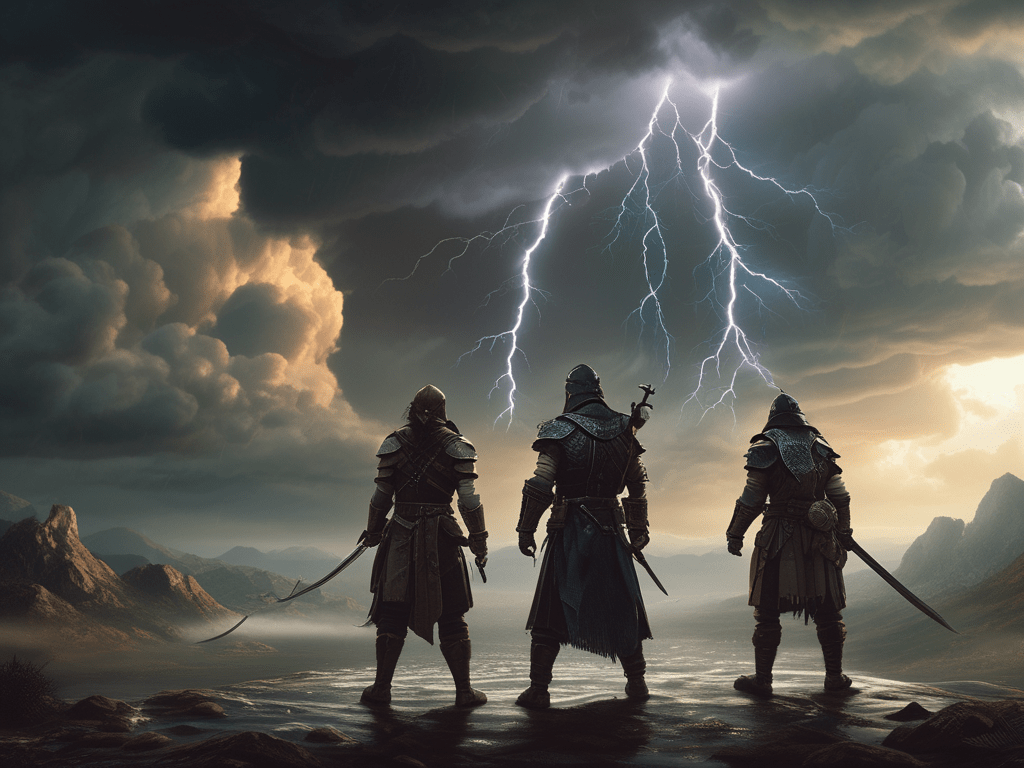
Description: Thunderstorms can create dramatic and intense conditions, with heavy rain, lightning, and thunder. They can affect visibility, movement, and combat.

Impact on Gameplay:

a. Visibility:

  • Heavy rain and lightning flashes can affect visibility, making it difficult to see and navigate the terrain.

Example: During a thunderstorm, players must make Perception checks to spot enemies and navigate through the dark, rain-soaked landscape.

b. Movement:

  • Muddy and slippery terrain can slow movement and increase the risk of falls. Players may need to make Dexterity checks to maintain their footing.

Example: As players travel through a thunderstorm, they must make Dexterity saving throws to avoid slipping on the muddy ground.

c. Combat:

  • Lightning strikes and loud thunder can create dangerous and unpredictable combat conditions. Players may need to make Dexterity saving throws to avoid lightning, and loud thunder can impose disadvantage on Perception checks.

Example: In the midst of a thunderstorm, players face the added danger of lightning strikes and struggle to hear each other’s commands over the roaring thunder.

Incorporating Weather into Different Campaign Scenarios

Weather can enhance various types of campaign scenarios, from travel and exploration to combat and social interactions. Here are some examples of how to incorporate weather into different scenarios:

1. Travel and Exploration

Weather can significantly impact travel and exploration, presenting challenges and opportunities for players as they navigate the environment.

Example: The players are on a journey through a dense forest when a sudden rainstorm hits. The heavy rain makes the paths muddy and difficult to traverse, slowing their progress and forcing them to find shelter. As they wait out the storm, they encounter a group of forest-dwelling creatures seeking refuge from the rain, leading to unexpected interactions and potential alliances.

2. Combat Encounters

Weather can add complexity and tension to combat encounters, influencing tactics and strategies.

Example: The players are ambushed by bandits during a snowstorm. The heavy snow reduces visibility, making it difficult to spot the bandits’ movements. The players must adapt their tactics, relying on close-quarters combat and using the snow for cover. The cold also imposes additional challenges, with players needing to make Constitution saving throws to avoid exhaustion.

3. Social Interactions

Weather can set the mood and influence social interactions, affecting how NPCs and players interact with each other.

Example: The players arrive at a coastal village during a fierce storm. The villagers are on edge, worried about the safety of their fishing fleet. The players must navigate the tense atmosphere, offering their assistance to calm the villagers and gain their trust. The storm provides a dramatic backdrop for negotiations and role-playing opportunities.

4. Mysteries and Investigations

Weather can add layers of complexity to mysteries and investigations, affecting evidence and creating obstacles for players to overcome.

Example: The players are investigating a series of disappearances in a fog-shrouded town. The thick fog obscures their vision and muffles sounds, making it difficult to gather information and track suspects. The players must use their wits and resources to navigate the fog and uncover the truth behind the disappearances.

Practical Tips for Using Weather in Your Campaign

Here are some practical tips for effectively using weather in your D&D campaign:

1. Use Random Weather Tables

Create or use existing random weather tables to add unpredictability and variety to your game. These tables can help you generate weather conditions on the fly, keeping the environment dynamic and engaging.

Example: Roll on a random weather table at the start of each day to determine the weather conditions, adjusting the results based on the region and season.

2. Plan for Weather-Related Challenges

Anticipate how weather conditions will affect the players and plan for weather-related challenges that align with the story and setting.

Example: If the players are traveling through a desert, plan for a sandstorm that forces them to find shelter and navigate the shifting dunes.

3. Incorporate Weather into Descriptions

Use weather descriptions to set the scene and create atmosphere. Describe the sensory details of the weather to immerse players in the environment.

Example: “The sun sets behind dark clouds, casting an eerie orange glow over the landscape. The wind picks up, carrying the scent of rain and the distant rumble of thunder.”

4. Consider the Mechanical Effects

Think about how weather conditions will impact gameplay mechanics, such as movement, visibility, and combat. Use these effects to create interesting challenges and opportunities.

Example: During a storm, impose disadvantage on Perception checks and ranged attack rolls, and require Dexterity saving throws to avoid slipping on wet terrain.

5. Adapt to Player Actions

Be flexible and adapt the weather conditions based on the players’ actions and decisions. Use weather to enhance the narrative and create dynamic gameplay experiences.

Example: If the players decide to delay their journey to avoid a storm, describe how the storm passes and the landscape changes, creating new opportunities and challenges.

Conclusion

Incorporating weather effects into your D&D campaign can significantly enhance immersion, set the mood, and influence gameplay. By thoughtfully integrating dynamic weather conditions, you can create a more engaging and realistic game world that challenges and captivates your players.

Remember to plan ahead, use weather to reflect the story, vary the weather conditions, describe the sensory details, and consider the mechanical effects. Whether it’s a torrential downpour, a blizzard, or a heatwave, weather can transform your campaign and provide memorable experiences for your players.

Until next time, Dear Readers…
Historical Campaigns: Setting Your Game in Different Historical Eras

Dear Readers, welcome back to our Dungeons & Dragons (D&D) blog! Today, we’re embarking on a journey through time as we explore the exciting possibilities of setting your D&D campaign in different historical eras. Historical campaigns offer a unique blend of real-world history and fantasy, allowing you to immerse your players in richly detailed settings inspired by the past. From the ancient empires of antiquity to the tumultuous wars of the medieval period, historical settings can provide a wealth of inspiration and narrative depth. In this post, we’ll delve into the benefits of historical campaigns, provide tips for integrating historical elements into your game, and offer examples of different historical eras to inspire your storytelling. So, let’s travel through time and discover the magic of historical campaigns!

The Benefits of Historical Campaigns

Setting your D&D campaign in a historical era can enhance your game in several ways:

1. Richly Detailed Settings

Historical settings are steeped in rich details, from architectural styles and cultural practices to historical events and famous figures. This depth of detail can make your campaign world feel more immersive and realistic.

Example: Setting your campaign in ancient Rome allows you to draw on the city’s iconic architecture, elaborate social hierarchy, and famous historical events, creating a vivid and engaging world.

2. Unique Storytelling Opportunities

Historical settings offer unique storytelling opportunities, allowing you to weave real-world history into your narrative. This can provide a fresh and intriguing backdrop for your adventures.

Example: A campaign set during the Viking Age might involve navigating political alliances, exploring uncharted territories, and participating in legendary raids.

3. Educational Value

Historical campaigns can also be educational, helping players learn about different cultures, historical events, and societal structures. This can make the game both entertaining and informative.

Example: Setting a campaign during the Renaissance can expose players to the period’s artistic, scientific, and cultural advancements, fostering a deeper appreciation for history.

4. Enhanced Immersion

Drawing on real-world history can enhance immersion, as players can more easily visualize and connect with the setting. Familiar historical elements can provide a sense of authenticity and realism.

Example: Using historical maps, clothing, and customs from the medieval period can help players immerse themselves in a campaign set in a medieval kingdom.

Integrating Historical Elements into Your Campaign

When setting your campaign in a historical era, it’s important to integrate historical elements thoughtfully and accurately. Here are some tips for incorporating historical elements into your game:

1. Research Thoroughly

Thorough research is essential for creating an authentic and immersive historical setting. Take the time to learn about the era you’re focusing on, including its geography, politics, culture, and notable events.

Example: If you’re setting your campaign in ancient Egypt, research the geography of the Nile River, the political structure of the pharaohs, religious beliefs, and daily life in Egyptian society.

2. Adapt Historical Events

Adapt real historical events to fit the narrative of your campaign. This can provide a familiar yet flexible framework for your story, allowing you to blend historical accuracy with fantasy elements.

Example: Incorporate the fall of the Western Roman Empire into your campaign, but add a fantastical twist, such as a powerful sorcerer manipulating events behind the scenes.

3. Create Historical Characters

Introduce historical figures as NPCs in your campaign. These characters can serve as allies, mentors, or antagonists, adding depth and authenticity to the story.

Example: Leonardo da Vinci could appear as an eccentric inventor who provides the players with mysterious gadgets and quests involving his inventions.

4. Use Historical Artifacts

Incorporate historical artifacts into your campaign as magical items, quest objectives, or plot devices. These artifacts can add a sense of mystery and intrigue to your adventures.

Example: The Holy Grail could be a powerful artifact that the players must find to prevent a great calamity, with legends and clues leading them through various historical locations.

5. Reflect Historical Societies

Reflect the societal structures, customs, and norms of the historical era in your campaign. This can create a more immersive and realistic setting.

Example: In a campaign set in feudal Japan, the players might navigate the complexities of the samurai code of honor, social hierarchy, and political intrigue within the shogunate.

Examples of Historical Campaign Settings

To inspire your historical campaign, here are examples of different historical eras, each with its own unique characteristics and storytelling potential.

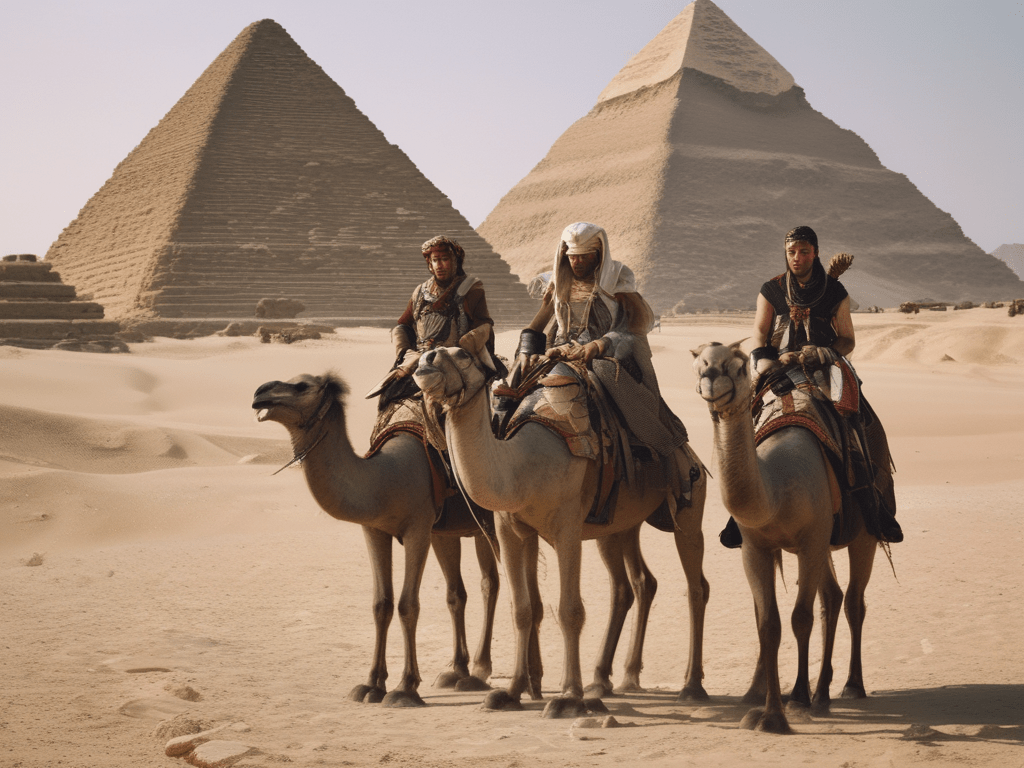
1. Ancient Egypt

Setting:

  • Ancient Egypt, with its monumental pyramids, pharaohs, and complex pantheon of gods, provides a rich and mystical backdrop for a campaign.

Storytelling Opportunities:

  • Explore the mysteries of the pyramids and tombs, facing traps, curses, and undead guardians.
  • Involve the players in the political intrigue of the pharaoh’s court, navigating alliances and rivalries.
  • Incorporate quests involving ancient Egyptian deities, seeking their favor or thwarting their schemes.

Example Adventure: The players are tasked with finding the lost tomb of a legendary pharaoh. Along the way, they uncover a plot by a dark cult to awaken an ancient evil, requiring them to navigate treacherous tombs, decipher hieroglyphs, and seek the aid of the gods.

2. Ancient Greece

Setting:

  • Ancient Greece, known for its city-states, mythology, and philosophers, offers a setting filled with heroism, exploration, and divine intervention.

Storytelling Opportunities:

  • Embark on heroic quests inspired by Greek mythology, battling monsters and seeking the favor of the gods.
  • Involve the players in the politics of the Greek city-states, forging alliances and participating in wars.
  • Explore ancient ruins and temples, uncovering lost knowledge and powerful artifacts.

Example Adventure: The players are recruited by a wise oracle to retrieve a sacred artifact stolen from the temple of Apollo. Their journey takes them through dangerous territories, where they must face mythical creatures and rival heroes seeking the same prize.

3. The Viking Age

Setting:

  • The Viking Age, with its seafaring warriors, exploration of new lands, and Norse mythology, provides a setting of adventure and discovery.

Storytelling Opportunities:

  • Lead the players on epic voyages to uncharted territories, encountering new cultures and facing the challenges of the sea.
  • Involve the players in Viking raids and battles, navigating the complex honor and loyalty systems of the Norse.
  • Incorporate elements of Norse mythology, with quests involving gods, giants, and legendary artifacts.

Example Adventure: The players join a Viking expedition to a mysterious island rumored to be the home of a powerful artifact. They must navigate treacherous waters, deal with rival Viking clans, and face mythical creatures guarding the island’s secrets.

4. Medieval Europe

Setting:

  • Medieval Europe, with its feudal system, knights, and chivalry, provides a classic setting for tales of heroism, courtly intrigue, and epic battles.

Storytelling Opportunities:

  • Involve the players in the politics of feudal lords, navigating alliances, betrayals, and quests for power.
  • Lead the players on quests involving dragons, magical artifacts, and ancient prophecies.
  • Explore the social and cultural aspects of medieval life, including tournaments, festivals, and religious practices.

Example Adventure: The players are knights serving a noble lord who is embroiled in a bitter feud with a rival. They must undertake dangerous missions to gather allies, protect their lord’s lands, and uncover a hidden conspiracy threatening the kingdom.

5. The Renaissance

Setting:

  • The Renaissance, a period of cultural rebirth, scientific discovery, and artistic achievement, offers a setting of intellectual exploration and political intrigue.

Storytelling Opportunities:

  • Involve the players in the political machinations of powerful city-states, navigating the complex web of alliances and rivalries.
  • Lead the players on quests involving the discovery of ancient knowledge, hidden manuscripts, and mysterious inventions.
  • Incorporate historical figures and events, blending real history with fantasy elements.

Example Adventure: The players are hired by a wealthy patron to recover a stolen manuscript containing revolutionary scientific knowledge. Their investigation leads them through the bustling streets of Renaissance Florence, uncovering a plot that could change the course of history.

Tips for Running Historical Campaigns

Running a historical campaign requires careful planning and attention to detail. Here are some tips to help you create an engaging and authentic experience:

1. Balance Accuracy with Fun

While historical accuracy can enhance immersion, remember that your primary goal is to create an enjoyable experience for your players. Don’t be afraid to bend or reinterpret historical facts to suit your narrative.

Example: Introduce a secret society of alchemists in your Renaissance campaign who possess magical abilities, blending historical elements with fantasy to create a unique and engaging story.

2. Use Historical Resources

Utilize historical resources such as books, documentaries, and online articles to gather information about your chosen era. This will help you create a more authentic and detailed setting.

Example: Read books about Viking culture, mythology, and exploration to enrich your Viking Age campaign with accurate and intriguing details.

3. Create Detailed NPCs

Develop NPCs that reflect the historical setting, including their speech patterns, clothing, and customs. This will make your world feel more immersive and realistic.

Example: In a medieval campaign, introduce NPCs such as knights, peasants, and merchants, each with distinct personalities, motivations, and backgrounds.

4. Incorporate Real Historical Events

Incorporate real historical events into your campaign to provide a familiar and engaging backdrop for your adventures. Adapt these events to fit your narrative, adding fantasy elements as needed.

Example: Set a campaign during the fall of Constantinople, with the players participating in the defense of the city and uncovering a hidden magical artifact that could turn the tide of battle.

5. Encourage Player Research

Encourage your players to research the historical era of your campaign. This can help them create more authentic characters and enhance their immersion in the setting.

Example: Provide players with a list of recommended resources about the Viking Age and encourage them to incorporate historical details into their character backgrounds.

Conclusion

Setting your D&D campaign in different historical eras can provide a wealth of inspiration, depth, and authenticity to your storytelling. By thoroughly researching your chosen era, adapting historical events, and integrating historical elements into your game, you can create an immersive and engaging experience for your players.

Remember to balance historical accuracy with fun, utilize historical resources, create detailed NPCs, incorporate real historical events, and encourage player research. By doing so, you’ll craft a campaign that not only entertains but also educates and inspires.

Until next time, Dear Readers…

Collaborative Worldbuilding: Involving Your Players in Creating the World

Dear Readers, welcome back to our Dungeons & Dragons (D&D) blog! Today, we’re diving into a topic that can transform your campaign into a truly immersive and engaging experience: collaborative worldbuilding. Involving your players in the creation of the game world not only enriches the setting but also fosters a sense of ownership and investment in the story. Collaborative worldbuilding allows players to contribute their ideas, backgrounds, and creativity, resulting in a unique and dynamic world that everyone feels connected to. In this post, we’ll explore the benefits of collaborative worldbuilding, techniques for incorporating player input, and practical tips for managing the process. So, let’s embark on this journey to create a vibrant and engaging world together.

The Benefits of Collaborative Worldbuilding

Collaborative worldbuilding offers numerous benefits that can enhance your campaign and deepen player engagement. Here are some key advantages:

1. Enhanced Player Investment

When players contribute to the creation of the world, they become more invested in the setting and its narrative. This investment translates into increased engagement and enthusiasm during gameplay.

Example: A player who creates a unique city for their character’s backstory will be more interested in exploring that city and its surrounding areas.

2. Richer Worldbuilding

Collaborative worldbuilding brings diverse perspectives and ideas to the table, resulting in a richer and more nuanced world. Each player’s contributions add layers of detail and complexity that a single Dungeon Master (DM) might not think of alone.

Example: One player might introduce a culture with unique rituals, while another might create a mysterious forest with its own lore, adding depth to the world.

3. Stronger Character Integration

When players help build the world, their characters are more deeply integrated into the setting. This leads to more meaningful interactions and plot developments that are closely tied to the characters’ backgrounds and motivations.

Example: A character’s backstory involving a rivalry with a local noble can lead to plot hooks and conflicts that drive the campaign forward.

4. Increased Player Agency

Collaborative worldbuilding empowers players by giving them a voice in shaping the game world. This sense of agency enhances their overall experience and encourages active participation.

Example: Players who feel they have a say in the world’s development are more likely to engage in role-playing and contribute to the story’s progression.

Techniques for Collaborative Worldbuilding

There are various techniques for incorporating player input into the worldbuilding process. Here are some effective methods to consider:

1. Session Zero

Session Zero is a preliminary session held before the campaign begins. It provides an opportunity for the DM and players to discuss the campaign’s setting, themes, and expectations, and to collaboratively build the world.

Steps for Session Zero:

a. Establish the Setting:

  • Discuss the overall setting of the campaign, including the world’s geography, cultures, and key locations. Encourage players to contribute their ideas and preferences.

Example: The DM presents a basic map of the continent and asks players to suggest the locations of their characters’ hometowns, significant landmarks, and areas of interest.

b. Create Shared Histories:

  • Encourage players to create shared histories and connections between their characters. This helps integrate their backstories into the world and establishes a foundation for future interactions.

Example: Two players decide that their characters grew up in the same village and share a mentor, creating a bond that will influence their actions and decisions.

c. Define Campaign Themes:

  • Collaboratively define the themes and tone of the campaign. This ensures that everyone is on the same page and helps guide the worldbuilding process.

Example: The group agrees that the campaign will focus on themes of exploration and discovery, with an emphasis on uncovering ancient secrets and lost civilizations.

2. Player-Driven Worldbuilding Prompts

Player-driven worldbuilding prompts are questions or prompts that the DM poses to the players to encourage them to contribute to the world’s creation. These prompts can be tailored to specific aspects of the world, such as cultures, locations, or events.

Examples of Worldbuilding Prompts:

a. Cultural Prompts:

  • “Describe a unique festival celebrated by your character’s culture. What is its significance, and how is it observed?”

Example: A player describes a harvest festival where villagers create intricate corn husk dolls to honor the spirits of the fields, culminating in a grand feast and dance.

b. Location Prompts:

  • “Describe a significant landmark in your character’s homeland. What makes it unique, and what legends are associated with it?”

Example: A player describes an ancient, towering tree known as the Eldertree, believed to be the home of a powerful forest spirit that protects the surrounding woods.

c. Historical Prompts:

  • “Describe a historical event that shaped your character’s society. How is it remembered, and what impact does it have today?”

Example: A player describes a great war between neighboring kingdoms that ended in a fragile peace, with a yearly remembrance day to honor fallen heroes and promote unity.

3. Collaborative Map-Making

Collaborative map-making is a visual approach to worldbuilding where the DM and players create the game world’s map together. This method allows players to see their contributions come to life and provides a tangible representation of the world they will explore.

Steps for Collaborative Map-Making:

a. Base Map:

  • The DM creates a basic map with major geographical features, such as continents, oceans, and mountain ranges. This serves as the foundation for further development.

Example: The DM draws a rough outline of the continent, including a central mountain range and several rivers.

b. Player Contributions:

  • Each player adds to the map by drawing or describing specific locations, such as cities, villages, forests, and landmarks. Encourage creativity and collaboration.

Example: One player adds a bustling port city on the coast, while another places an enchanted forest near their character’s homeland.

c. Collaborative Refinement:

  • The group discusses and refines the map, ensuring that all contributions are coherent and integrated into the world’s lore.

Example: The players decide that the port city and the enchanted forest are connected by a major trade route, fostering cultural exchange and commerce.

4. Rotating Narrators

In campaigns with rotating narrators, different players take turns acting as the DM for a session or a story arc. This approach allows each player to contribute to the world’s development and introduce new elements.

Steps for Rotating Narrators:

a. Establish Guidelines:

  • Set guidelines for rotating narrators to ensure consistency and coherence in the worldbuilding. Discuss the overall narrative and key plot points.

Example: The group agrees that each narrator will introduce a new region or faction, but major plot developments will be decided collaboratively to maintain continuity.

b. Collaborative Storytelling:

  • Each player-narrator adds to the world’s lore and story, building on what previous narrators have established.

Example: One player introduces a hidden underground city inhabited by a reclusive dwarven clan, while another narrates an adventure involving the city’s ancient secrets.

c. Shared Worldbuilding:

  • The group collectively discusses and incorporates new elements introduced by each narrator, ensuring a cohesive and dynamic world.

Example: The players decide that the dwarven city has a network of tunnels that connect to other regions, creating opportunities for future exploration and adventures.

5. Character-Driven Worldbuilding

Character-driven worldbuilding focuses on integrating the players’ character backstories into the world. This approach ensures that the world feels personal and relevant to each player, creating deeper connections between the characters and the setting.

Steps for Character-Driven Worldbuilding:

a. Backstory Integration:

  • Encourage players to create detailed backstories that include information about their character’s homeland, culture, and significant events.

Example: A player creates a backstory for their character, a nomadic warrior from the desert region of Ishari, describing their tribe’s customs and history.

b. Collaborative Development:

  • Work with players to integrate their backstories into the world, adding locations, cultures, and events that reflect their characters’ histories.

Example: The DM incorporates the Ishari desert and its nomadic tribes into the world, adding plot hooks and adventures related to the character’s background.

c. Dynamic Interactions:

  • Create opportunities for the characters’ backstories to influence the campaign’s narrative, leading to dynamic interactions and character development.

Example: The players encounter a rival tribe from the Ishari desert, leading to a conflict that ties into the nomadic warrior’s backstory and personal goals.

Practical Tips for Managing Collaborative Worldbuilding

Collaborative worldbuilding can be a rewarding experience, but it also requires careful management to ensure coherence and consistency. Here are some practical tips for managing the process:

1. Set Clear Boundaries

Establish clear boundaries for collaborative worldbuilding to ensure that contributions fit within the campaign’s overall setting and themes.

Example: The DM sets guidelines for the campaign’s tone and genre, specifying that contributions should align with a high-fantasy setting focused on exploration and discovery.

2. Facilitate Open Communication

Encourage open communication and collaboration among players. Ensure that everyone’s ideas are heard and considered, and that decisions are made collectively.

Example: During Session Zero, the DM facilitates a group discussion where each player shares their ideas for the world, and the group collaboratively decides on key elements.

3. Document Contributions

Keep detailed records of the contributions made by players to maintain consistency and coherence in the worldbuilding. This documentation can include maps, notes, and summaries of key elements.

Example: The DM creates a shared document where players can add information about locations, cultures, and events they’ve introduced, ensuring that everyone has access to the world’s lore.

4. Encourage Flexibility

While it’s important to maintain coherence, be flexible and open to new ideas. Allow the world to evolve organically based on player contributions and the unfolding narrative.

Example: The DM is open to revisiting and expanding upon previously established elements, incorporating new ideas and developments as the campaign progresses.

5. Balance Contributions

Ensure that all players have the opportunity to contribute to the worldbuilding process. Balance the input to prevent any one player from dominating the narrative.

Example: The DM allocates time during sessions for each player to share their ideas and contributions, ensuring that everyone has a voice in shaping the world.

Case Studies: Collaborative Worldbuilding in Action

Let’s explore a few case studies to illustrate how collaborative worldbuilding can be effectively integrated into a campaign, resulting in a rich and dynamic setting.

Case Study 1: The Kingdom of Valoria

Setting:

  • The Kingdom of Valoria is a high-fantasy world with diverse cultures, ancient mysteries, and a focus on exploration and discovery.

Collaborative Worldbuilding Techniques:

a. Session Zero:

  • During Session Zero, the DM and players discuss the campaign’s setting, themes, and key locations. Players contribute ideas for their characters’ homelands and cultures.

Example: One player creates the coastal city of Aeloria, known for its skilled sailors and intricate shipbuilding techniques. Another player introduces the mystical Forest of Eldara, home to ancient elven clans and hidden ruins.

b. Player-Driven Prompts:

  • Throughout the campaign, the DM uses player-driven prompts to encourage further worldbuilding. Players describe cultural festivals, historical events, and unique landmarks.

Example: A player describes the Festival of Stars celebrated in Aeloria, where the city’s inhabitants gather to watch a meteor shower and make wishes for the coming year.

c. Collaborative Map-Making:

  • The group collaboratively creates a map of Valoria, adding cities, forests, mountains, and other locations. Each player contributes to the map, ensuring a diverse and dynamic world.

Example: The players add a vast desert region known as the Sands of Khorath, inhabited by nomadic tribes and ancient ruins waiting to be explored.

d. Character-Driven Worldbuilding:

  • The players’ backstories are integrated into the world, leading to dynamic interactions and plot developments.

Example: One player’s character, a scholar from the city of Eldara, seeks to uncover the secrets of the ancient ruins in the Forest of Eldara, leading the party on a quest to discover hidden knowledge and forgotten history.

Outcome:

  • The collaborative worldbuilding process results in a rich and immersive setting for the campaign. Players feel invested in the world they’ve helped create, leading to deeper engagement and meaningful character development.

Case Study 2: The Continent of Thaloria

Setting:

  • The Continent of Thaloria is a land of magic, conflict, and intrigue, with diverse regions and cultures shaped by ancient history and powerful factions.

Collaborative Worldbuilding Techniques:

a. Rotating Narrators:

  • The campaign features rotating narrators, with each player taking turns as the DM for different story arcs. This approach allows each player to introduce new elements and regions to the world.

Example: One player introduces the enchanted city of Luminas, where magic flows freely and the streets are lined with glowing crystals. Another player narrates an adventure in the rugged Highlands of Durath, home to fierce warrior clans and treacherous mountain paths.

b. Character-Driven Worldbuilding:

  • The players’ backstories are deeply integrated into the world, influencing the campaign’s narrative and interactions.

Example: A player’s character, a former knight from the kingdom of Arcadia, seeks to uncover the truth behind a mysterious betrayal that led to their exile. This backstory becomes a central plot thread, leading to encounters with old allies and enemies.

c. Shared Worldbuilding:

  • The group collaboratively discusses and refines the world’s lore, ensuring coherence and consistency across different narrators’ contributions.

Example: The players decide that Luminas and Arcadia have a long-standing alliance, but tensions have arisen due to recent political machinations. This creates opportunities for intrigue and conflict in the campaign.

Outcome:

  • The collaborative worldbuilding process results in a diverse and dynamic setting, with each player contributing to the world’s development. The rotating narrators approach fosters creativity and variety, leading to a rich and engaging campaign.

Practical Examples of Collaborative Worldbuilding Prompts

Here are some practical examples of collaborative worldbuilding prompts to inspire your own campaign:

1. Cultural Prompts

a. Describe a unique holiday or festival celebrated by your character’s culture. What activities take place, and what is the significance of the celebration?

Example: The Festival of Light is celebrated by the people of Luminas, where they light lanterns and release them into the sky to honor the spirits of their ancestors. The festival culminates in a grand fireworks display that illuminates the entire city.

b. What is a common saying or proverb in your character’s culture? How does it reflect their values or beliefs?

Example: In the Highlands of Durath, the saying “Strength through unity” reflects the warrior clans’ belief in the importance of solidarity and cooperation. It is often invoked during gatherings and battles.

2. Location Prompts

a. Describe a significant landmark in your character’s homeland. What makes it unique, and what legends or stories are associated with it?

Example: The Crystal Caverns of Luminas are a series of underground caves filled with glowing crystals. Legends say that the caverns were created by a powerful sorceress who sought to harness the magic of the earth.

b. What is a hidden or secret place in your character’s homeland that few people know about? What is its significance?

Example: The Whispering Woods in Arcadia are rumored to be inhabited by ancient spirits who can grant visions of the future. Few dare to enter the woods, but those who do often return with newfound wisdom.

3. Historical Prompts

a. Describe a historical event that shaped your character’s society. How is it remembered, and what impact does it have today?

Example: The Great War of Thaloria was a conflict between the kingdoms of Arcadia and Durath that lasted for decades. It ended with a fragile peace treaty, and the war’s legacy continues to influence politics and relations between the two kingdoms.

b. Who is a legendary figure from your character’s culture, and what deeds are they known for?

Example: Lady Seraphine is a legendary figure in Luminas, known for her role in defeating a powerful demon that threatened the city. Her statue stands in the city square, and her story is told to inspire courage and resilience.

Conclusion

Collaborative worldbuilding is a powerful tool that can enhance your D&D campaign by fostering player investment, creating a richer setting, and encouraging dynamic storytelling. By involving your players in the creation of the world, you create a shared narrative that everyone feels connected to, resulting in a more engaging and immersive experience.

Remember to use techniques such as Session Zero, player-driven prompts, collaborative map-making, rotating narrators, and character-driven worldbuilding to involve your players in the process. Manage the collaborative effort by setting clear boundaries, facilitating open communication, documenting contributions, encouraging flexibility, and balancing input.

Until next time, Dear Readers…

Villain Redemption Arcs: Exploring the Possibility of Redeeming Antagonists

Dear Readers, welcome back to our Dungeons & Dragons (D&D) blog! Today, we’re delving into a fascinating and often underexplored aspect of storytelling: the redemption arc of villains. In many campaigns, villains are portrayed as irredeemable antagonists, their fate sealed by the heroes’ swords or spells. However, exploring the possibility of redeeming antagonists can add depth and complexity to your narrative, creating a richer and more engaging experience for your players. In this post, we’ll discuss the elements of a compelling redemption arc, offer tips for integrating these arcs into your campaign, and provide examples to inspire your storytelling. So, let’s embark on this journey to uncover the transformative power of redemption in your D&D campaigns.

The Power of Redemption in Storytelling

Redemption arcs are powerful because they reflect the potential for change and growth, even in those who have walked a dark path. They resonate with themes of forgiveness, transformation, and the complexity of human nature. In the context of a D&D campaign, a villain’s redemption can introduce moral dilemmas, challenge the players’ perceptions, and add emotional weight to the story.

Why Redemption Arcs Matter:

1. Emotional Depth:

  • Redemption arcs add emotional depth to your narrative. Seeing a villain struggle with their past deeds and strive for a better path can be incredibly moving.

2. Moral Complexity:

  • Redeeming a villain introduces moral complexity, forcing players to confront difficult questions about justice, forgiveness, and the nature of evil.

3. Dynamic Storytelling:

  • A redemption arc can transform the narrative, turning a former enemy into a reluctant ally or even a friend. This dynamic shift can create unexpected plot twists and character development.

4. Player Engagement:

  • Players become more invested in the story when they see that their actions can influence the world in profound ways, including the potential to redeem those who once opposed them.

Elements of a Compelling Redemption Arc

Creating a compelling redemption arc for a villain requires careful planning and a nuanced approach. Here are some key elements to consider:

1. Genuine Motivation for Change

For a redemption arc to feel authentic, the villain must have a genuine motivation for change. This motivation can stem from a variety of sources, such as a traumatic event, a personal revelation, or the influence of the heroes.

Examples of Motivations:

a. Personal Loss:

  • The villain suffers a personal loss that makes them reevaluate their actions and goals.

Example: A warlord who loses a beloved family member in battle may begin to question the endless cycle of violence and seek a path of peace.

b. Acts of Kindness:

  • The heroes show the villain kindness or mercy, sparking a desire to change.

Example: A bandit leader spared by the heroes decides to abandon their life of crime and make amends for their past deeds.

c. Moral Awakening:

  • The villain experiences a moral awakening, realizing the harm they have caused and seeking redemption.

Example: A necromancer who witnesses the suffering of innocent people because of their actions might seek to undo the damage they have caused.

2. Gradual Transformation

A believable redemption arc is gradual, with the villain slowly transforming over time. This process should involve internal struggles, setbacks, and moments of self-doubt.

Steps in the Transformation:

a. Initial Resistance:

  • The villain may initially resist change, clinging to their old ways out of fear, pride, or habit.

Example: A tyrant might continue to rule with an iron fist even after realizing the harm they cause, fearing that showing mercy will make them appear weak.

b. Moments of Growth:

  • Key events or interactions with the heroes can serve as catalysts for the villain’s growth, prompting them to take small steps towards redemption.

Example: A villain who saves an innocent child during a battle may begin to question their own morality and consider the possibility of change.

c. Internal Conflict:

  • The villain experiences internal conflict as they grapple with their past deeds and their desire for redemption.

Example: A former assassin haunted by the memories of their victims struggles with guilt and the fear that they can never truly be forgiven.

3. External Challenges

A redemption arc should not be easy. The villain must face external challenges that test their commitment to change and force them to prove their newfound resolve.

Types of Challenges:

a. Skepticism from Allies:

  • The villain’s former allies may react with skepticism or hostility, doubting their sincerity or feeling betrayed.

Example: A reformed thief trying to live an honest life is constantly harassed by their former gang, who believe they have simply gone undercover.

b. Hostility from Heroes:

  • The heroes themselves may be reluctant to trust the villain, creating tension and conflict within the party.

Example: The party is divided on whether to accept the assistance of a once-deadly foe, with some members advocating for caution and others for giving them a chance.

c. Consequences of Past Actions:

  • The villain must deal with the consequences of their past actions, which can complicate their path to redemption.

Example: A former warlord seeking peace must navigate the animosity of those they once oppressed and prove their intentions through actions, not words.

4. Redemption Through Action

True redemption requires more than just a change of heart; it must be demonstrated through actions. The villain should actively work to make amends and prove their commitment to a better path.

Ways to Demonstrate Redemption:

a. Acts of Sacrifice:

  • The villain makes personal sacrifices to aid the heroes or protect the innocent.

Example: A reformed villain risks their life to save a village from a monster attack, proving their commitment to change.

b. Making Amends:

  • The villain works to right the wrongs they have committed, seeking forgiveness and reparations.

Example: A former pirate captain returns stolen treasures to their rightful owners and helps rebuild the communities they once plundered.

c. Continued Growth:

  • The villain continues to grow and evolve, demonstrating their ongoing commitment to redemption.

Example: A once-cruel sorcerer dedicates their life to healing and teaching others, using their magic for good instead of harm.

Integrating Redemption Arcs into Your Campaign

Integrating redemption arcs into your campaign can add complexity and depth to your storytelling. Here are some tips for weaving these arcs into your narrative:

1. Identify Suitable Villains

Not every villain is suited for a redemption arc. Consider which antagonists in your campaign have the potential for change and the depth to support a compelling arc.

Characteristics of Suitable Villains:

a. Complexity:

  • Villains with complex motivations and backstories are more likely to have the depth needed for a redemption arc.

Example: A sorcerer who turned to dark magic to save their family but now seeks a way to atone for the unintended consequences of their actions.

b. Relatable Motivations:

  • Villains with relatable or sympathetic motivations can more easily gain the players’ empathy and interest.

Example: A bandit leader who turned to crime to provide for their impoverished community may have a compelling reason to seek redemption.

c. Room for Growth:

  • Villains who show glimpses of doubt, regret, or conflicting emotions have the potential for significant character growth.

Example: A ruthless general who begins to question their loyalty to a tyrannical ruler, showing signs of inner conflict.

2. Plant the Seeds Early

Plant the seeds of a redemption arc early in the campaign. This gives the arc time to develop naturally and allows players to witness the villain’s gradual transformation.

Ways to Plant Seeds:

a. Hints of Humanity:

  • Show hints of humanity or vulnerability in the villain through their actions, dialogue, or interactions with others.

Example: A villain who shows kindness to their loyal followers or hesitates before committing an act of cruelty.

b. Foreshadowing:

  • Use foreshadowing to hint at the possibility of redemption, such as through prophetic dreams, mysterious omens, or the words of NPCs.

Example: An oracle foretells that a great darkness will find its light, hinting at the potential for the villain’s redemption.

c. Moral Dilemmas:

  • Place the villain in moral dilemmas that force them to make difficult choices, revealing their capacity for change.

Example: A villain must choose between achieving their goals and saving an innocent life, providing a moment of introspection.

3. Involve the Players

Involving the players in the villain’s redemption arc can make it more impactful and engaging. Their actions and decisions should influence the villain’s path.

Ways to Involve Players:

a. Offer Choices:

  • Give players meaningful choices that affect the villain’s redemption arc, such as whether to show mercy, offer help, or pursue a path of vengeance.

Example: The players capture a villain and must decide whether to turn them over to the authorities, offer them a chance at redemption, or take justice into their own hands.

b. Foster Relationships:

  • Encourage players to build relationships with the villain, allowing for moments of empathy, conflict, and personal growth.

Example: A reformed villain becomes an ally, traveling with the party and participating in their adventures, allowing for deep character interactions.

c. Create Joint Objectives:

  • Create objectives that require the players and the villain to work together, fostering trust and cooperation.

Example: The players and the reformed villain must join forces to stop a greater threat, proving their commitment to change through their actions.

4. Balance Redemption with Realism

While redemption arcs are powerful, they should be balanced with realism. Not every villain will succeed in their quest for redemption, and not every hero will accept their transformation.

Balancing Factors:

a. Setbacks:

  • Include setbacks and challenges that test the villain’s resolve and commitment to change.

Example: The villain faces a situation that tempts them to revert to their old ways, creating a crisis of conscience.

b. Mixed Reactions:

  • Show mixed reactions from NPCs and players, with some accepting the villain’s redemption and others remaining skeptical or hostile.

Example: The villagers the villain once terrorized are divided, with some welcoming their help and others refusing to forgive their past deeds.

c. Earned Redemption:

  • Ensure that the villain’s redemption is earned through consistent actions and growth, rather than being granted easily.

Example: A villain who seeks redemption must demonstrate their commitment through a series of challenging quests, proving their sincerity over time.

Case Studies: Villain Redemption Arcs in Action

Let’s explore a few case studies to illustrate how redemption arcs can be effectively integrated into a campaign, providing rich narrative opportunities and character development.

Case Study 1: The Reformed Warlock

Background:

  • Eldrin is a warlock who made a pact with a malevolent entity to gain power and protect their village. However, the entity’s influence turned Eldrin into a ruthless enforcer, and they became feared by those they once sought to protect.

Seeds of Redemption:

  • Eldrin begins to question their actions when they inadvertently harm an innocent child during a mission for their patron. This moment of horror sparks a desire to break free from the entity’s control and atone for their deeds.

Transformation:

  • Eldrin initially resists change, fearing the consequences of defying their patron. However, after a series of encounters with the heroes, who show them kindness and offer help, Eldrin begins to take steps toward redemption.
  • Eldrin faces internal conflict, grappling with guilt and the fear that they can never truly be free from their patron’s grasp.

Challenges:

  • Eldrin’s former allies and the malevolent entity itself seek to punish them for their defection, creating external threats that test Eldrin’s resolve.
  • The heroes are divided on whether to trust Eldrin, creating tension and conflict within the party.

Redemption Through Action:

  • Eldrin actively works to make amends, using their powers to protect the innocent and aid the heroes in their quests.
  • In a climactic moment, Eldrin sacrifices themselves to defeat the malevolent entity, ultimately breaking free from its control and ensuring the safety of those they once sought to protect.

Outcome:

  • Eldrin’s redemption arc is a powerful and emotional journey, culminating in their heroic sacrifice. The players are left with a lasting impact, reflecting on the complexity of good and evil and the potential for change.

Case Study 2: The Bandit Queen’s Redemption

Background:

  • Kira, known as the Bandit Queen, leads a notorious gang that preys on travelers and villages. Her ruthlessness has made her a feared figure, but her actions are driven by a desire to provide for her community, which suffers from poverty and oppression.

Seeds of Redemption:

  • Kira’s perspective begins to shift when she encounters a group of travelers who defend their village against her gang without resorting to violence. Their bravery and compassion make her question her methods.

Transformation:

  • Kira’s initial attempts to change are met with resistance from her gang, who view her newfound compassion as weakness. She struggles to balance her desire to help her community with the need to maintain her authority.
  • The heroes encounter Kira again and again, each time seeing more of her struggle and her desire to change. They offer her a chance to join forces and work towards a common goal.

Challenges:

  • Kira faces hostility from rival gangs and local authorities who view her as a criminal. She must navigate these threats while proving her intentions to the heroes and her own followers.
  • The heroes must decide whether to trust Kira and help her reform, knowing that she has committed many crimes.

Redemption Through Action:

  • Kira works to dismantle her gang’s criminal operations, redirecting their efforts towards rebuilding their community and protecting the innocent.
  • In a pivotal moment, Kira sacrifices her freedom to save the heroes from a rival gang, willingly turning herself in to the authorities as a final act of atonement.

Outcome:

  • Kira’s redemption arc is marked by her struggle to change and her ultimate willingness to face the consequences of her actions. The players are left with a complex and nuanced view of her character, recognizing her efforts to make amends and the impact of their own choices on her journey.

Case Study 3: The Tyrant’s Transformation

Background:

  • Lord Harkan is a tyrant who rules his land with an iron fist, enforcing harsh laws and punishing dissent with brutal efficiency. His reign of terror has created a climate of fear and oppression.

Seeds of Redemption:

  • Harkan’s perspective begins to shift when he encounters a group of rebels who risk their lives to protect a village from his soldiers. Their courage and selflessness make him question his own rule.

Transformation:

  • Harkan’s initial attempts to change are marked by internal conflict and resistance from his advisors, who fear losing their power. He struggles to reconcile his desire for control with the need for compassion and justice.
  • The heroes encounter Harkan in moments of vulnerability, seeing glimpses of his doubts and his potential for change. They offer him counsel and challenge his beliefs.

Challenges:

  • Harkan faces opposition from his own soldiers and advisors, who view his change of heart as a threat to their authority. He must navigate these internal threats while proving his sincerity to the heroes and his people.
  • The heroes must decide whether to support Harkan’s efforts to reform or continue their rebellion, knowing that his past actions have caused great harm.

Redemption Through Action:

  • Harkan works to dismantle the oppressive systems he created, enacting reforms and seeking reconciliation with those he has wronged.
  • In a climactic moment, Harkan sacrifices his own power to prevent a coup by his former allies, ensuring a peaceful transition to a more just and compassionate rule.

Outcome:

  • Harkan’s redemption arc is a story of transformation and the struggle for redemption in the face of immense challenges. The players are left with a powerful narrative of change and the impact of their actions on the world.

Tips for Crafting Your Own Villain Redemption Arcs

Creating compelling villain redemption arcs in your campaign requires careful planning and a nuanced approach. Here are some tips to help you craft your own redemption arcs:

1. Understand the Villain’s Backstory

Depth and Complexity:

  • Develop a rich backstory for your villain, including their motivations, experiences, and the events that led them down a dark path. This provides a foundation for their redemption arc.

Example: A villain who turned to dark magic to save their dying child but was consumed by its corrupting influence has a complex and relatable backstory that can support a redemption arc.

2. Create Relatable Motivations for Change

Genuine Reasons:

  • Ensure that the villain’s motivations for seeking redemption are genuine and relatable. This makes their transformation believable and emotionally resonant.

Example: A villain who seeks redemption after witnessing the suffering their actions have caused, driven by a newfound desire to make amends and protect the innocent.

3. Plan the Arc Gradually

Slow Transformation:

  • Plan the redemption arc as a gradual process, with the villain experiencing internal conflict, moments of growth, and external challenges. This makes the arc more realistic and engaging.

Example: A villain who initially resists change but slowly transforms through key interactions with the heroes, culminating in a climactic act of redemption.

4. Involve the Players in the Arc

Player Agency:

  • Involve the players in the villain’s redemption arc, giving them meaningful choices and opportunities to influence the villain’s journey. This makes the arc more impactful and engaging.

Example: The players must decide whether to show mercy to a captured villain, offer them help, or take justice into their own hands, influencing the villain’s path to redemption.

5. Balance Redemption with Realism

Earned Redemption:

  • Ensure that the villain’s redemption is earned through consistent actions and growth, rather than being granted easily. Include setbacks and mixed reactions from NPCs to add realism.

Example: A villain who faces opposition from former allies and skepticism from the heroes, gradually proving their commitment to change through acts of sacrifice and making amends.

Conclusion

Villain redemption arcs are powerful and transformative narratives that can add depth, complexity, and emotional resonance to your D&D campaign. By exploring the possibility of redeeming antagonists, you create a richer and more engaging story that challenges your players’ perceptions and values.

Remember to craft redemption arcs with genuine motivations, gradual transformations, and external challenges. Involve your players in the journey, offering meaningful choices and opportunities to influence the villain’s path. Balance the redemption with realism, ensuring that it is earned through consistent actions and growth.

Until next time, Dear Readers…

Creating Tension: Building Suspense and Drama in Your Campaign

Dear Readers, welcome back to our Dungeons & Dragons (D&D) blog! Today, we’re diving into an essential aspect of storytelling that can transform your campaign from a simple adventure into a gripping narrative: creating tension. Building suspense and drama in your campaign keeps players on the edge of their seats, eager to see what happens next. It’s the secret ingredient that makes your game memorable and engaging. In this post, we’ll explore various techniques and strategies to infuse your campaign with tension, ensuring that your players are constantly invested in the story and their characters’ fates. So, let’s embark on this journey to master the art of suspense and drama in D&D.

The Importance of Tension in Storytelling

Tension is the emotional pull that keeps players engaged and invested in the story. It arises from uncertainty, conflict, and the stakes at play, driving the narrative forward and compelling players to act.

Why Tension Matters:

1. Emotional Investment:

  • Tension fosters emotional investment in the story and characters. When players care about the outcome, they become more engaged and motivated.

2. Memorable Moments:

  • Suspenseful and dramatic moments are often the most memorable parts of a campaign, creating lasting impressions and stories that players will recount for years.

3. Dynamic Gameplay:

  • Tension adds dynamism to gameplay, preventing it from becoming predictable or monotonous. It encourages players to think creatively and make meaningful decisions.

4. Narrative Drive:

  • Tension drives the narrative forward, propelling characters toward their goals and deepening the plot.

Techniques for Building Tension

Building tension in your campaign involves various techniques that manipulate pacing, create uncertainty, and heighten the stakes. Here are some effective strategies to incorporate tension into your game.

1. Pacing

Pacing is the rhythm of your story, balancing moments of action, rest, and rising tension. Controlling the pacing can significantly impact the level of suspense and drama in your campaign.

Techniques for Effective Pacing:

a. Peaks and Valleys:

  • Alternate between high-tension moments (peaks) and periods of relative calm (valleys). This creates a dynamic flow that keeps players engaged without overwhelming them.

Example: After a thrilling chase through a dense forest (peak), allow the players a moment of respite at a secluded campsite where they can regroup and plan their next move (valley).

b. Cliffhangers:

  • End sessions or significant scenes on cliffhangers, leaving players eager to find out what happens next. This builds anticipation and keeps them invested in the story.

Example: End a session with the players opening a mysterious chest, only to find it empty except for a cryptic note that hints at a larger conspiracy.

c. Varying Intensity:

  • Vary the intensity of scenes to create a rhythm of rising and falling tension. Not every scene needs to be high-stakes, but a gradual increase in intensity can build suspense over time.

Example: Begin with a minor conflict, such as a bar brawl, escalate to a dangerous encounter with a rival faction, and culminate in a life-or-death confrontation with the main antagonist.

2. Uncertainty and Mystery

Uncertainty and mystery are powerful tools for creating tension. When players are unsure of what lies ahead or what the true motivations of NPCs are, they become more cautious and invested in uncovering the truth.

Techniques for Creating Uncertainty and Mystery:

a. Foreshadowing:

  • Use foreshadowing to hint at future events or dangers without revealing everything. This builds anticipation and keeps players guessing.

Example: Describe strange, unsettling dreams that plague the characters, hinting at an impending threat that they will face later in the campaign.

b. Ambiguous NPCs:

  • Introduce NPCs with unclear motives or hidden agendas. Players will be wary of these characters and curious about their true intentions.

Example: A charming merchant offers the players valuable information but insists on a high price. His true loyalties and reasons for helping them remain unclear.

c. Hidden Threats:

  • Present threats that are not immediately visible or understood. This creates a sense of unease and encourages players to investigate and prepare for the unknown.

Example: The players find evidence of a monstrous creature stalking the area—footprints, claw marks, and eerie howls at night—but they have yet to encounter it directly.

3. Heightening the Stakes

Raising the stakes in your campaign increases the tension by making the consequences of failure more severe. Players will be more invested in their actions when they know that much is on the line.

Techniques for Heightening the Stakes:

a. Personal Stakes:

  • Tie the stakes to the characters’ personal goals, relationships, or backstories. When the stakes are personal, players are more emotionally invested.

Example: A player’s character has a loved one taken hostage by the villain, and their safe return depends on the party’s success.

b. Time Pressure:

  • Introduce time-sensitive challenges where players must act quickly to succeed. The ticking clock adds urgency and tension to the situation.

Example: The players must defuse a magical bomb set to explode in an hour, requiring them to race against time to find and disable it.

c. Escalating Consequences:

  • Gradually increase the consequences of failure as the campaign progresses. This keeps the tension high and the players motivated to succeed.

Example: Early in the campaign, failure might result in losing valuable information. Later, failure could mean the destruction of a city or the death of a key NPC.

4. Conflict and Opposition

Conflict and opposition are central to creating tension. Challenging the players with obstacles, antagonists, and moral dilemmas keeps them engaged and invested in the story.

Techniques for Creating Conflict and Opposition:

a. Antagonists:

  • Develop compelling antagonists with clear motivations and the ability to challenge the players. A well-crafted villain can be a constant source of tension.

Example: An ambitious warlord seeks to conquer the realm, and the players must thwart his plans while dealing with his spies, soldiers, and political machinations.

b. Moral Dilemmas:

  • Present players with moral dilemmas where there are no clear right or wrong choices. This forces them to weigh their options carefully and face the consequences of their decisions.

Example: The players must decide whether to save a village from an impending attack or protect a vital strategic location elsewhere, knowing they cannot do both.

c. Internal Conflict:

  • Introduce internal conflict within the party, such as differing goals, values, or secrets. This can create tension among the players and add depth to their interactions.

Example: Two characters have opposing views on how to handle a captured enemy, leading to a heated debate and potential rift in the party.

Practical Applications: Creating Tension in Different Campaign Scenarios

Now that we’ve covered the techniques for building tension, let’s explore how to apply these techniques in various campaign scenarios, including combat, social interactions, and exploration.

1. Combat Scenarios

Combat scenarios are inherently tense, but you can heighten the suspense and drama with specific techniques.

Techniques for Creating Tension in Combat:

a. Environmental Hazards:

  • Incorporate environmental hazards that players must navigate during combat, such as collapsing structures, spreading fires, or unstable ground.

Example: During a battle in a crumbling castle, the players must avoid falling debris and collapsing floors while fighting off enemies.

b. High-Stakes Objectives:

  • Introduce objectives beyond simply defeating enemies, such as rescuing hostages, defusing bombs, or securing vital locations.

Example: The players must protect a group of civilians from an attacking monster while also trying to lure the creature into a trap.

c. Dynamic Encounters:

  • Create dynamic encounters where the situation changes over time, such as reinforcements arriving, new threats emerging, or the battlefield shifting.

Example: As the players battle a necromancer, waves of undead minions continue to rise from the ground, forcing them to adapt their strategy.

2. Social Interactions

Social interactions can be just as tense and dramatic as combat when handled effectively.

Techniques for Creating Tension in Social Interactions:

a. Hidden Agendas:

  • NPCs may have hidden agendas or ulterior motives, making social interactions a game of wits and suspicion.

Example: The players attend a royal banquet where various factions vie for influence, each with their own schemes and secrets.

b. High-Stakes Negotiations:

  • Raise the stakes in negotiations by tying them to significant consequences, such as securing an alliance, preventing a war, or gaining vital resources.

Example: The players must negotiate a peace treaty between two warring factions, knowing that failure could lead to widespread conflict.

c. Social Pressure:

  • Create social pressure by placing players in situations where their reputation, honor, or relationships are on the line.

Example: The players are invited to a noble’s court, where their behavior and decisions will influence their standing and future opportunities.

3. Exploration Scenarios

Exploration scenarios can be filled with tension through environmental challenges, mysteries, and discoveries.

Techniques for Creating Tension in Exploration:

a. Unknown Dangers:

  • Populate unexplored areas with unknown dangers, such as traps, hidden creatures, or environmental hazards.

Example: The players explore an ancient tomb filled with traps, undead guardians, and cryptic puzzles that must be solved to proceed.

b. Environmental Challenges:

  • Introduce environmental challenges that test the players’ survival skills, such as harsh weather, treacherous terrain, or limited resources.

Example: The players traverse a vast desert where they must manage their water supply, navigate sandstorms, and avoid dangerous wildlife.

c. Mysterious Discoveries:

  • Present players with mysterious discoveries that raise questions and compel further investigation.

Example: The players find a strange, glowing artifact in a ruined temple. Its purpose and origin are unknown, but it radiates powerful magic.

Case Studies: Applying Tension Techniques in Campaigns

Let’s explore a few case studies to illustrate how tension techniques can be effectively applied in different campaign scenarios.

Case Study 1: The Siege of Blackwater Keep

Scenario: The players are tasked with defending Blackwater Keep from an impending siege by a ruthless warlord and his army. The siege will determine the fate of the region.

Techniques Applied:

a. Time Pressure:

  • The players have limited time to fortify the keep, gather supplies, and recruit allies before the enemy arrives.

b. High-Stakes Objectives:

  • During the siege, the players must protect key points within the keep, such as the gatehouse, the armory, and the command center.

c. Dynamic Encounters:

  • The situation changes throughout the siege, with enemy reinforcements arriving, breaches in the walls, and desperate last stands.

Outcome:

  • The players successfully defend the keep by making strategic decisions, rallying the defenders, and repelling the enemy forces. The intense, high-stakes nature of the siege creates a memorable and dramatic climax to the campaign arc.

Case Study 2: The Diplomatic Mission to Eldoria

Scenario: The players are sent on a diplomatic mission to Eldoria, a kingdom on the brink of civil war. Their goal is to negotiate a peace treaty between the rival factions.

Techniques Applied:

a. Hidden Agendas:

  • Key NPCs, including nobles, military leaders, and foreign ambassadors, have their own hidden agendas and interests.

b. High-Stakes Negotiations:

  • The success of the negotiations will determine the future of Eldoria and its relationship with the players’ homeland.

c. Social Pressure:

  • The players must navigate the complex social dynamics of the Eldorian court, where their actions and words are closely scrutinized.

Outcome:

  • The players manage to broker a tentative peace agreement by uncovering and addressing the underlying issues driving the conflict. The tension and intrigue of the diplomatic mission create a compelling and suspenseful narrative.

Case Study 3: The Curse of the Sunken Temple

Scenario: The players explore a sunken temple rumored to be cursed. They seek a powerful artifact believed to be hidden within its depths.

Techniques Applied:

a. Unknown Dangers:

  • The temple is filled with traps, guardians, and supernatural phenomena that challenge the players at every turn.

b. Environmental Challenges:

  • The players must contend with underwater hazards, limited air supply, and the threat of the temple collapsing.

c. Mysterious Discoveries:

  • As they delve deeper, the players uncover ancient writings, cryptic symbols, and clues about the temple’s history and the nature of the curse.

Outcome:

  • The players navigate the temple’s dangers, solve its mysteries, and ultimately find the artifact. However, they also uncover a dark secret that raises new questions and sets the stage for future adventures. The combination of exploration, mystery, and high stakes creates a tense and thrilling experience.

Tips for Maintaining Tension Throughout a Campaign

Maintaining tension throughout a campaign requires careful planning, pacing, and adaptability. Here are some tips to help you sustain suspense and drama over the long term.

1. Vary the Sources of Tension

Diverse Threats:

  • Introduce a variety of threats and challenges to keep players on their toes. These can include physical dangers, social conflicts, and moral dilemmas.

Example: Alternate between combat encounters, political intrigue, and personal quests to provide a balanced and engaging experience.

2. Build Long-Term Mysteries

Ongoing Plot Threads:

  • Weave long-term mysteries and plot threads into your campaign that gradually unfold over time. This keeps players invested and curious.

Example: Introduce a mysterious symbol that appears throughout the campaign, hinting at a larger conspiracy or ancient prophecy.

3. Use NPCs to Drive Tension

Complex Characters:

  • Develop NPCs with complex motivations and relationships that can drive tension and conflict within the story.

Example: A trusted ally reveals a hidden agenda, forcing the players to question their loyalties and make difficult decisions.

4. Adapt to Player Actions

Responsive World:

  • Ensure that the world responds dynamically to the players’ actions. Their choices should have meaningful consequences that impact the story.

Example: If the players choose to ally with a rival faction, it affects their standing with other groups and alters the course of the campaign.

5. Balance Tension with Relief

Moments of Respite:

  • Balance high-tension scenes with moments of relief and downtime, allowing players to regroup and reflect.

Example: After an intense battle, give the players a chance to rest in a safe haven, interact with NPCs, and plan their next move.

Conclusion

Creating tension and building suspense and drama in your D&D campaign is an art that requires careful planning, creativity, and adaptability. By mastering techniques such as pacing, uncertainty, raising the stakes, and introducing conflict, you can craft a narrative that keeps players engaged, emotionally invested, and eager to see what happens next.

Remember to vary the sources of tension, build long-term mysteries, use complex NPCs, and adapt to player actions. Balance moments of high tension with periods of respite to maintain a dynamic and engaging experience.

Until next time, Dear Readers…

Rituals and Ceremonies: Adding Cultural Depth to Your Fantasy World

Dear Readers, welcome back to our Dungeons & Dragons (D&D) blog! Today, we’re exploring a captivating way to enrich your fantasy world: incorporating rituals and ceremonies. These elements can add layers of cultural depth, create immersive experiences, and provide unique storytelling opportunities. Rituals and ceremonies are integral to societies, reflecting their values, beliefs, and traditions. By thoughtfully weaving these elements into your campaign, you can bring your world to life in vivid detail. So, let’s delve into the art of creating meaningful rituals and ceremonies for your fantasy world.

Understanding the Importance of Rituals and Ceremonies

Rituals and ceremonies serve various purposes in a society, from religious observances and seasonal celebrations to rites of passage and communal bonding. They help define the cultural identity of a community and provide a sense of continuity and belonging.

Why Include Rituals and Ceremonies in Your Campaign?

1. Cultural Authenticity:

  • Rituals and ceremonies make your fantasy cultures feel more authentic and lived-in, adding depth and realism to your world.

2. Narrative Opportunities:

  • These elements provide rich narrative opportunities, offering moments of drama, celebration, conflict, and character development.

3. Player Engagement:

  • Participating in or witnessing rituals can engage players, making them feel more connected to the world and its inhabitants.

4. Thematic Exploration:

  • Rituals and ceremonies can help explore themes such as tradition, faith, community, and change.

Designing Rituals and Ceremonies

When designing rituals and ceremonies for your fantasy world, consider the cultural context, purpose, and elements that make each ritual unique and meaningful.

Cultural Context

The cultural context of a ritual or ceremony includes the beliefs, values, and traditions of the society that practices it. Consider the following aspects when creating the cultural context:

1. Religion and Spirituality:

  • What are the dominant religious or spiritual beliefs of the society? How do these beliefs influence their rituals?

Example: In a society that worships nature deities, rituals might involve offerings of flowers, fruits, and natural elements, performed in sacred groves or forests.

2. Social Structure:

  • How is the society structured? What are the roles and statuses of individuals within the community? How do these roles influence participation in rituals?

Example: In a hierarchical society, rituals might be led by priests or elders, with specific roles assigned to different social classes.

3. Historical Events:

  • What historical events have shaped the society? Are there rituals that commemorate significant victories, tragedies, or milestones?

Example: A ceremony commemorating a legendary battle might include reenactments, storytelling, and honoring fallen heroes.

Purpose of Rituals and Ceremonies

Understanding the purpose of a ritual or ceremony helps define its structure and significance. Common purposes include:

1. Religious Observances:

  • Rituals performed in honor of deities, spirits, or cosmic forces, often involving prayers, sacrifices, and symbolic acts.

Example: A harvest festival dedicated to the goddess of agriculture might include offerings of the first fruits, dances, and blessings for a bountiful harvest.

2. Rites of Passage:

  • Ceremonies marking important life transitions, such as birth, coming of age, marriage, and death.

Example: A coming-of-age ceremony might involve trials or quests that test the youth’s bravery, wisdom, and skills, culminating in a celebratory feast.

3. Seasonal Celebrations:

  • Festivals and ceremonies linked to the changing seasons, agricultural cycles, and natural phenomena.

Example: A spring festival celebrating renewal and growth might include planting rituals, dances, and the lighting of symbolic fires.

4. Communal Bonding:

  • Rituals that strengthen community ties, promote social cohesion, and reinforce shared values.

Example: A communal meal held regularly to honor ancestors and bring the community together might involve storytelling, music, and shared food.

Elements of Rituals and Ceremonies

To create a rich and immersive ritual or ceremony, consider incorporating various elements that engage the senses and convey meaning.

1. Symbolic Acts:

  • Actions that hold symbolic significance, such as lighting candles, drawing symbols, or making offerings.

Example: In a ritual to ward off evil spirits, participants might draw protective symbols in the dirt and light candles to banish darkness.

2. Costumes and Decorations:

  • Special attire, masks, and decorations that reflect the cultural aesthetics and themes of the ritual.

Example: Participants in a harvest festival might wear colorful costumes adorned with fruits and flowers, and the ritual space might be decorated with garlands and banners.

3. Music and Dance:

  • Songs, chants, instrumental music, and dances that enhance the atmosphere and convey the mood of the ritual.

Example: A ceremonial dance performed to honor the sun god might involve rhythmic drumming, chanting, and intricate dance movements.

4. Sacred Objects:

  • Objects with religious or cultural significance, such as relics, idols, or talismans, used in the ritual.

Example: A ritual to seek the blessing of a river spirit might involve a sacred bowl used to collect water from the river, along with offerings of flowers and coins.

Examples of Rituals and Ceremonies

Here are some examples of rituals and ceremonies that you can adapt and incorporate into your fantasy world.

The Rite of the Eternal Flame

Cultural Context:

  • The Rite of the Eternal Flame is practiced by a society that worships a fire deity known as the Eternal Flame. The ritual is performed to seek the deity’s blessing and ensure the community’s prosperity and protection.

Purpose:

  • Religious observance and communal bonding.

Elements:

  • Symbolic Acts: Participants light a central bonfire using a sacred flame kept in the temple throughout the year. Offerings of incense, oil, and herbs are thrown into the fire.
  • Costumes and Decorations: Participants wear red and gold robes, and the ritual space is decorated with fire-themed symbols and banners.
  • Music and Dance: Drummers and musicians play rhythmic music, and a group of dancers performs a fire dance around the bonfire.
  • Sacred Objects: The sacred flame, kept in a golden brazier, is carried by the high priest to light the bonfire.

Narrative Opportunity:

  • As the ritual progresses, a dark omen appears in the flames, foretelling an imminent threat to the community. The players must investigate the omen and uncover the source of the danger.

The Passage of Shadows

Cultural Context:

  • The Passage of Shadows is a rite of passage practiced by a secretive order of assassins. The ritual marks the transition from novice to full-fledged member, testing the initiate’s skills, loyalty, and resolve.

Purpose:

  • Rite of passage.

Elements:

  • Symbolic Acts: The initiate must navigate a labyrinth filled with traps and illusions, retrieve a hidden relic, and return it to the order’s leader.
  • Costumes and Decorations: Initiates wear black robes and masks to symbolize their anonymity and dedication to the order. The labyrinth is decorated with shadowy motifs and lit by flickering torches.
  • Music and Dance: A haunting melody is played on a flute, creating an eerie atmosphere. The initiate’s movements through the labyrinth are considered a dance of shadows.
  • Sacred Objects: The hidden relic, an obsidian dagger, symbolizes the initiate’s readiness to serve the order.

Narrative Opportunity:

  • One of the players is invited to join the order and undergo the Passage of Shadows. During the ritual, they discover a plot against the order’s leader and must decide whether to reveal the truth or complete their initiation.

The Festival of the Silver Moon

Cultural Context:

  • The Festival of the Silver Moon is celebrated by a coastal community that worships a moon goddess. The festival coincides with the full moon and high tide, honoring the goddess’s influence over the sea and tides.

Purpose:

  • Seasonal celebration and religious observance.

Elements:

  • Symbolic Acts: Participants light lanterns and set them afloat on the sea, symbolizing the moon’s reflection on the water. Offerings of shells, pearls, and fish are made at the temple.
  • Costumes and Decorations: Participants wear silver and blue garments adorned with moon and sea motifs. The festival area is decorated with lanterns, seashells, and flowing ribbons.
  • Music and Dance: Musicians play melodic tunes on lutes and harps, and dancers perform graceful movements mimicking the ebb and flow of the tide.
  • Sacred Objects: A silver chalice used in the ritual to collect seawater, which is then blessed by the high priestess and sprinkled on the participants.

Narrative Opportunity:

  • During the festival, a mysterious sea creature appears, bringing both wonder and fear to the community. The players are tasked with uncovering the creature’s origins and intentions.

Integrating Rituals and Ceremonies into Your Campaign

Integrating rituals and ceremonies into your campaign can enhance the storytelling and provide memorable experiences for your players. Here are some tips for seamlessly incorporating these elements into your game.

1. Use Rituals as Plot Hooks

Rituals and ceremonies can serve as compelling plot hooks, drawing the players into the story and motivating their actions.

Example: The players are hired to protect a sacred ritual from being disrupted by a rival faction. As they investigate, they uncover deeper political and religious tensions within the community.

2. Create Character Connections

Linking rituals to the characters’ backgrounds and motivations can add personal stakes and emotional depth to the story.

Example: A player’s character seeks to perform a long-forgotten ritual to honor their ancestors and lift a family curse. The quest to uncover the ritual’s details and gather the necessary components becomes a central storyline.

3. Enhance World-Building

Incorporating rituals and ceremonies can enhance world-building by showcasing the unique cultures and traditions of your fantasy world.

Example: As the players travel through different regions, they encounter various rituals and ceremonies that reflect the local customs and beliefs, providing a rich tapestry of cultural diversity.

4. Foster Role-Playing Opportunities

Rituals and ceremonies provide excellent opportunities for role-playing, allowing players to engage with NPCs, make meaningful choices, and explore their characters’ beliefs and values.

Example: During a religious ceremony, the players must decide whether to adhere to local customs or challenge them, leading to complex interactions and potential conflicts.

5. Introduce Mystical Elements

Rituals often involve mystical and supernatural elements, making them ideal for introducing magical phenomena, ancient prophecies, and divine interventions.

Example: A ritual to summon a celestial being goes awry, causing a tear in the fabric of reality. The players must navigate the resulting chaos and find a way to restore balance.

Case Studies: Rituals and Ceremonies in Action

Let’s explore a few case studies to illustrate how rituals and ceremonies can be effectively integrated into a campaign, providing rich narrative opportunities and engaging gameplay.

Case Study 1: The Rite of Renewal

Background:

  • The Rite of Renewal is an annual spring ritual performed by the inhabitants of the village of Greenhaven. The ritual celebrates the return of life and fertility to the land, invoking the blessings of the nature deity, Verdantia.

Purpose:

  • Religious observance and communal bonding.

Elements:

  • Symbolic Acts: The ritual involves planting a sacred seed in the village square, symbolizing growth and renewal. Villagers offer prayers, songs, and dances to Verdantia.
  • Costumes and Decorations: Participants wear green and floral attire, and the village is decorated with garlands, ribbons, and fresh flowers.
  • Music and Dance: Folk musicians play lively tunes, and villagers perform traditional dances around the planted seed.
  • Sacred Objects: The sacred seed, blessed by the village druid, is the focal point of the ritual.

Narrative Opportunity:

  • The players arrive in Greenhaven just as preparations for the Rite of Renewal are underway. They are invited to participate in the festivities but soon discover that the sacred seed has been stolen by a group of bandits seeking to exploit its magical properties. The players must recover the seed and ensure the ritual’s success.

Outcome:

  • The players’ successful recovery of the seed not only earns them the villagers’ gratitude but also uncovers a deeper plot involving a rival druidic order. This sets the stage for future adventures and alliances.

Case Study 2: The Blood Moon Sacrifice

Background:

  • The Blood Moon Sacrifice is a dark and ancient ritual performed by a cult dedicated to the moon goddess, Lunaria. The ritual requires a human sacrifice under the light of the blood moon to grant the cult leaders immense power.

Purpose:

  • Religious observance and empowerment.

Elements:

  • Symbolic Acts: The ritual involves a series of chants, bloodletting, and the final sacrifice of a chosen victim. The cultists believe this act will invoke Lunaria’s favor and power.
  • Costumes and Decorations: Cultists wear red and black robes, and the ritual space is decorated with blood-red symbols and moon imagery.
  • Music and Dance: Eerie, hypnotic chants and rhythmic drumming accompany the ritual, creating a sense of dread and anticipation.
  • Sacred Objects: A ceremonial dagger and a bloodstone altar are central to the ritual.

Narrative Opportunity:

  • The players learn of the cult’s plans and are tasked with stopping the ritual before the blood moon rises. They must infiltrate the cult’s stronghold, rescue the intended sacrifice, and confront the cult leader.

Outcome:

  • The players’ intervention not only saves the victim but also prevents the cult from gaining dangerous power. The experience exposes them to the darker side of the world and forges strong bonds among the party members as they face the cult’s horrors together.

Case Study 3: The Ascension of the High Priestess

Background:

  • The Ascension of the High Priestess is a grand ceremony held in the temple city of Elysia. The ritual marks the elevation of a new high priestess, believed to be chosen by the gods to lead the faith.

Purpose:

  • Religious observance and rite of passage.

Elements:

  • Symbolic Acts: The ritual involves anointment with sacred oils, the recitation of divine oaths, and the presentation of the high priestess’s staff, a symbol of divine authority.
  • Costumes and Decorations: The high priestess wears ornate robes adorned with celestial symbols, and the temple is lavishly decorated with gold and silver.
  • Music and Dance: Hymns and chants sung by the temple choir, accompanied by the graceful movements of temple dancers, enhance the ritual’s solemnity.
  • Sacred Objects: The high priestess’s staff and a sacred relic believed to hold the essence of the gods.

Narrative Opportunity:

  • The players are invited to witness the Ascension ceremony as honored guests. However, they discover that a rival faction within the temple seeks to disrupt the ritual and claim power for themselves. The players must navigate the political intrigue, protect the high priestess, and ensure the ritual’s completion.

Outcome:

  • The players’ actions help thwart the rival faction’s plans and solidify the high priestess’s position. Their involvement in the ceremony earns them powerful allies within the temple and sets the stage for future religious and political intrigue.

Practical Tips for Creating and Running Rituals and Ceremonies

To effectively create and run rituals and ceremonies in your campaign, consider the following practical tips:

1. Plan Ahead

Detailed Planning:

  • Plan the key elements of the ritual or ceremony in advance, including its purpose, structure, and participants. This ensures a coherent and immersive experience.

Example: Outline the sequence of events, key NPCs involved, and potential challenges or conflicts that might arise during the ritual.

2. Engage the Senses

Sensory Details:

  • Engage the players’ senses by describing the sights, sounds, smells, and textures associated with the ritual. This enhances immersion and brings the scene to life.

Example: Describe the flickering candlelight, the scent of incense, the rhythmic drumming, and the vibrant colors of the participants’ costumes.

3. Involve the Players

Active Participation:

  • Encourage players to actively participate in the ritual or ceremony, whether through role-playing, skill checks, or decision-making.

Example: Players might be asked to perform specific tasks, make offerings, or interpret omens during the ritual.

4. Create Meaningful Choices

Decisions and Consequences:

  • Present the players with meaningful choices that can influence the outcome of the ritual and have lasting consequences.

Example: The players might need to decide whether to adhere to tradition or introduce a new element to the ritual, affecting the community’s response and future events.

5. Use Rituals to Drive the Plot

Plot Advancement:

  • Use rituals and ceremonies to advance the plot, introduce new story arcs, or reveal important information.

Example: A prophecy revealed during a ritual sets the players on a quest to prevent a looming catastrophe.

Conclusion

Rituals and ceremonies are powerful tools for adding cultural depth, narrative richness, and immersive experiences to your D&D campaign. By thoughtfully designing and incorporating these elements, you can create a vibrant and dynamic world that resonates with your players and enhances their connection to the story.

Remember to consider the cultural context, purpose, and sensory details of each ritual, and to involve your players in meaningful and engaging ways. Whether through religious observances, rites of passage, seasonal celebrations, or communal bonding, rituals and ceremonies offer endless possibilities for storytelling and character development.

Until next time, Dear Readers…

DM Burnout: Recognizing and Overcoming Dungeon Master Fatigue

Dear Readers, welcome back to our Dungeons & Dragons (D&D) blog! We’ve touched on this subject before, but I wanted a more updated and comprehensive look at this topic. Today, we tackle a topic that many Dungeon Masters (DMs) face but often hesitate to discuss: burnout. Being a DM is a rewarding and creative endeavor, but it can also be incredibly demanding. The pressures of preparation, storytelling, and managing a group can lead to fatigue and burnout. Recognizing the signs and knowing how to overcome DM fatigue is crucial to maintaining a healthy and enjoyable gaming experience. In this post, we’ll explore the causes of DM burnout, identify its symptoms, and offer strategies to prevent and recover from it. So, let’s embark on this journey to ensure that your passion for DMing remains vibrant and sustainable.

Understanding DM Burnout

DM burnout is a state of physical, mental, and emotional exhaustion resulting from the demands of running a D&D campaign. It can manifest in various ways, from a lack of motivation and creativity to feeling overwhelmed and stressed. Understanding the underlying causes is the first step in addressing and overcoming burnout.

Common Causes of DM Burnout:

1. Over-Preparation:

  • Spending excessive time preparing for sessions can lead to exhaustion. DMs often feel the need to have every detail planned out, which can be overwhelming.

2. High Expectations:

  • Setting unrealistic expectations for yourself or feeling pressured to meet players’ high expectations can contribute to burnout.

3. Lack of Player Engagement:

  • When players are disengaged or unappreciative, it can sap the DM’s enthusiasm and energy.

4. Creative Fatigue:

  • Continuously coming up with new ideas, storylines, and encounters can drain your creative resources.

5. Balancing Life and DMing:

  • Juggling DM responsibilities with work, family, and other commitments can lead to burnout if not managed properly.

Recognizing the Symptoms of DM Burnout

Recognizing the symptoms of DM burnout is crucial for addressing it early. Here are some common signs to look out for:

Emotional Symptoms:

1. Lack of Motivation:

  • Feeling unmotivated to prepare for sessions or run the game.

2. Irritability:

  • Becoming easily irritated or frustrated with players or the game itself.

3. Apathy:

  • Losing interest in the game and feeling indifferent about its outcomes.

Physical Symptoms:

1. Fatigue:

  • Feeling physically exhausted, even after resting.

2. Headaches:

  • Experiencing frequent headaches, possibly due to stress.

3. Sleep Issues:

  • Having trouble sleeping or experiencing disrupted sleep patterns.

Cognitive Symptoms:

1. Creative Block:

  • Struggling to come up with new ideas or feeling mentally drained.

2. Difficulty Concentrating:

  • Finding it hard to focus during preparation or sessions.

3. Memory Problems:

  • Forgetting important details about the campaign or characters.

Strategies to Prevent DM Burnout

Preventing DM burnout requires proactive strategies to manage the demands of DMing and maintain a healthy balance. Here are some tips to help you avoid burnout:

1. Set Realistic Expectations

For Yourself:

  • Recognize that you don’t need to be perfect. Allow yourself to make mistakes and learn from them.

For Your Players:

  • Communicate openly with your players about what you can realistically manage. Setting clear expectations can help alleviate pressure.

2. Simplify Your Prep Work

Use Pre-Made Resources:

  • Utilize pre-made adventures, maps, and NPCs to reduce preparation time.

Focus on Key Elements:

  • Concentrate on the most important aspects of the session, such as key encounters and story beats, rather than detailing every possible scenario.

Delegate to Players:

  • Encourage players to contribute to world-building or manage certain aspects of the game, such as tracking initiative or managing inventories.

3. Create a Supportive Player Environment

Encourage Player Engagement:

  • Foster an environment where players are actively involved and invested in the story. This can reduce the burden on you as the DM.

Communicate Openly:

  • Keep an open line of communication with your players. Discuss any concerns or challenges you’re facing and seek their support and understanding.

Set Boundaries:

  • Establish boundaries to ensure that DMing doesn’t take over your personal life. Set aside specific times for preparation and gaming, and stick to them.

4. Take Breaks and Self-Care

Schedule Breaks:

  • Regularly schedule breaks between sessions to recharge. This can be a short hiatus or a longer break if needed.

Prioritize Self-Care:

  • Take care of your physical and mental health. Exercise, get enough sleep, and engage in activities that bring you joy outside of D&D.

Practice Mindfulness:

  • Incorporate mindfulness practices, such as meditation or deep breathing, to manage stress and maintain focus.

Recovering from DM Burnout

If you’re already experiencing DM burnout, it’s important to take steps to recover and rekindle your passion for the game. Here are some strategies to help you bounce back:

1. Take a Break

Short-Term Break:

  • Take a short break from DMing to rest and recover. Use this time to focus on other hobbies and interests.

Long-Term Hiatus:

  • If needed, take a longer hiatus from DMing. Inform your players and use this time to recharge fully.

2. Seek Inspiration

Consume Media:

  • Read books, watch movies, and play games that inspire you. Drawing inspiration from different sources can reignite your creativity.

Engage with the Community:

  • Connect with other DMs and players through online forums, social media, or local gaming groups. Sharing experiences and ideas can provide fresh perspectives.

Explore New Genres:

  • Experiment with new genres or settings in your campaign. A change of pace can reinvigorate your interest and creativity.

3. Re-Evaluate Your Approach

Assess Your Style:

  • Reflect on your DMing style and identify what’s working and what’s not. Consider making adjustments to your approach.

Simplify Your Game:

  • Simplify your campaign to reduce complexity and focus on the core elements that bring you and your players the most joy.

Incorporate Player Feedback:

  • Seek feedback from your players on what they enjoy most about the game. Use this feedback to tailor the campaign to everyone’s preferences.

4. Share the Load

Co-DM:

  • Consider co-DMing with another player. Sharing the responsibilities can lighten the load and provide a fresh perspective.

Rotate DMs:

  • Rotate the DM role among your group. This gives you a break and allows other players to experience DMing.

Delegate Tasks:

  • Delegate specific tasks to players, such as managing NPCs, tracking initiative, or handling in-game logistics.

Tips for Maintaining Long-Term DM Health

Maintaining long-term DM health involves establishing sustainable practices and habits that prevent burnout and promote enjoyment. Here are some tips for long-term success:

1. Balance Gaming and Life

Time Management:

  • Manage your time effectively to balance gaming with work, family, and other commitments.

Set Priorities:

  • Prioritize your health and well-being. Remember that it’s okay to put your needs first.

Maintain Boundaries:

  • Maintain clear boundaries between your gaming life and personal life to prevent burnout.

2. Foster a Positive Gaming Environment

Build a Supportive Group:

  • Cultivate a gaming group that is supportive, respectful, and understanding.

Encourage Fun and Creativity:

  • Focus on creating a fun and creative environment where everyone can enjoy the game.

Celebrate Successes:

  • Celebrate the successes and milestones of your campaign, both big and small.

3. Continuously Learn and Grow

Expand Your Skills:

  • Continuously develop your DMing skills by learning new techniques and approaches.

Stay Updated:

  • Stay updated with the latest D&D resources, rules, and community trends.

Embrace Change:

  • Be open to change and willing to adapt your style and approach as needed.

Case Studies: Overcoming DM Burnout

Let’s explore a few case studies to illustrate how different DMs have recognized and overcome burnout.

Case Study 1: Sarah’s Over-Preparation

Background:

  • Sarah is a meticulous DM who spends hours preparing for each session. She creates detailed maps, elaborate NPC backgrounds, and intricate plotlines.

Problem:

  • Sarah’s over-preparation leads to burnout, as she feels exhausted and overwhelmed before each session.

Solution:

  • Sarah decides to simplify her prep work by using pre-made resources and focusing on key story elements. She sets realistic goals for each session and delegates some tasks to her players.

Outcome:

  • With reduced preparation time, Sarah feels more energized and enjoys DMing again. Her players appreciate the streamlined sessions and are more engaged in the story.

Case Study 2: Tom’s Creative Fatigue

Background:

  • Tom has been running a long-term campaign for over a year. He prides himself on creating unique and engaging storylines.

Problem:

  • Tom experiences creative fatigue, struggling to come up with new ideas and feeling uninspired.

Solution:

  • Tom takes a short break from DMing to recharge. During this time, he consumes media that inspires him and engages with the D&D community for fresh ideas.

Outcome:

  • After the break, Tom returns with renewed creativity and enthusiasm. He introduces new genres and elements to his campaign, which reinvigorates both him and his players.

Case Study 3: Alex’s Player Disengagement

Background:

  • Alex runs a campaign with a group of friends. Recently, he’s noticed that some players seem disengaged and uninterested.

Problem:

  • The lack of player engagement makes Alex feel unappreciated and frustrated, leading to burnout.

Solution:

  • Alex holds a session zero to discuss the campaign and gather player feedback. He encourages players to share what they enjoy and what they’d like to see more of in the game.

Outcome:

  • With input from his players, Alex adjusts the campaign to better align with their interests. Player engagement improves, and Alex feels more supported and motivated.

Additional Strategies for Overcoming DM Burnout

In addition to the strategies mentioned earlier, here are some additional tips and techniques to help overcome and prevent DM burnout.

1. Embrace Improvisation

Reduce Prep Time:

  • Embrace improvisation to reduce the time spent on preparation. Trust your ability to create engaging content on the fly.

Example:

  • Instead of planning every detail, prepare a few key plot points and let the players’ actions guide the story. This approach keeps the game dynamic and lessens your workload.

Improvisation Techniques:

  • Use random tables for encounters and events.
  • Keep a list of generic NPC names and traits handy.
  • Practice thinking on your feet and adapting to unexpected player choices.

2. Rotate Campaigns and Settings

Variety and Freshness:

  • Rotate between different campaigns and settings to keep things fresh. This prevents monotony and keeps your creativity flowing.

Example:

  • Alternate between a high-fantasy campaign, a sci-fi adventure, and a horror-themed storyline. Each setting offers new challenges and opportunities for creativity.

Benefits:

  • Provides a change of pace and prevents burnout.
  • Allows you to explore different genres and themes.
  • Keeps players engaged with diverse experiences.

3. Collaborate with Players

Co-Creation:

  • Collaborate with your players to create the world and story. This shared responsibility can lighten your load and make the game more engaging.

Example:

  • Encourage players to contribute to world-building by creating factions, cities, or backstory elements. This collaborative approach fosters investment and reduces your workload.

Collaborative Techniques:

  • Hold world-building sessions where players contribute ideas.
  • Use player backstories to generate plot hooks and side quests.
  • Encourage players to run one-shot adventures within the campaign.

4. Use Technology and Tools

Efficiency:

  • Utilize technology and tools to streamline your DMing process. Digital tools can help with preparation, organization, and gameplay management.

Example:

  • Use virtual tabletops (VTTs) like Roll20 or Fantasy Grounds to manage maps and combat. Tools like D&D Beyond can help with character management and rule references.

Recommended Tools:

  • Roll20: For online maps, tokens, and dynamic lighting.
  • Fantasy Grounds: For automated combat and character sheets.
  • D&D Beyond: For rulebooks, character management, and encounter builders.
  • World Anvil: For campaign management and world-building.

Supporting Fellow DMs

Supporting fellow DMs is crucial for building a strong and resilient D&D community. Here are some ways to offer support and encouragement to other DMs who may be experiencing burnout.

1. Share Resources and Tips

Resource Sharing:

  • Share resources, tips, and tools that have helped you manage DMing more effectively.

Example:

  • Create a shared folder with pre-made maps, NPCs, and encounters that other DMs can use.

Community Support:

  • Participate in online forums, social media groups, and local gaming communities to share advice and support fellow DMs.

2. Offer to Co-DM or Run One-Shots

Co-DMing:

  • Offer to co-DM or run one-shot adventures for fellow DMs who need a break.

Example:

  • Organize a rotation where each DM takes turns running a session, allowing others to rest and recharge.

Benefits:

  • Provides relief and support for DMs experiencing burnout.
  • Offers fresh perspectives and ideas for the campaign.
  • Fosters a sense of community and collaboration.

3. Provide Encouragement and Validation

Encouragement:

  • Offer words of encouragement and validation to fellow DMs. Acknowledge their hard work and dedication.

Example:

  • Send a message of appreciation or publicly recognize their efforts in a gaming group or forum.

Building Confidence:

  • Help build their confidence by sharing positive feedback and celebrating their successes.

Case Study 4: Emily’s Balancing Act

Background:

  • Emily is a dedicated DM who loves crafting intricate storylines and immersive worlds. However, she also has a demanding job and family commitments.

Problem:

  • Balancing DMing with her other responsibilities leads to burnout, as she struggles to find time for preparation and running sessions.

Solution:

  • Emily adopts a more flexible approach to DMing. She simplifies her prep work by using pre-made adventures and online tools. She also sets a regular schedule that accommodates her personal commitments.

Outcome:

  • With a more manageable schedule and streamlined prep process, Emily finds it easier to balance her responsibilities. She enjoys DMing without feeling overwhelmed.

Building a Sustainable DM Routine

Establishing a sustainable DM routine is key to preventing burnout and maintaining long-term enjoyment. Here are some steps to build a routine that works for you:

1. Establish a Schedule

Regular Sessions:

  • Set a regular schedule for game sessions that works for both you and your players. Consistency helps manage expectations and reduces stress.

Example:

  • Schedule bi-weekly sessions on Saturday evenings, ensuring everyone has ample time to prepare and participate.

Preparation Time:

  • Allocate specific times for preparation and stick to them. Avoid last-minute prep to reduce stress.

2. Set Achievable Goals

Session Goals:

  • Set achievable goals for each session. Focus on key story beats and encounters rather than overwhelming yourself with details.

Example:

  • Plan for three major encounters or plot points per session, allowing flexibility for player actions.

Campaign Goals:

  • Establish long-term goals for your campaign, but be flexible and willing to adapt as the story progresses.

3. Prioritize Self-Care

Physical Health:

  • Prioritize your physical health by getting regular exercise, eating well, and getting enough sleep.

Mental Health:

  • Practice mindfulness, meditation, or other stress-relief techniques to maintain mental well-being.

Personal Time:

  • Set aside time for hobbies and activities outside of D&D to recharge and maintain a balanced life.

4. Continuously Reflect and Adjust

Regular Check-Ins:

  • Regularly check in with yourself and your players to assess how things are going. Make adjustments as needed to ensure everyone is enjoying the game.

Feedback Loop:

  • Encourage players to provide feedback on the campaign and your DMing style. Use this feedback to make improvements and address any concerns.

Example:

  • Hold a quarterly meeting with your players to discuss what’s working and what could be improved. Use this feedback to adjust your approach and enhance the game.

Conclusion

DM burnout is a common challenge, but it’s one that can be overcome with awareness, proactive strategies, and support. By recognizing the signs of burnout, implementing sustainable practices, and fostering a supportive community, you can maintain your passion for DMing and continue to create memorable and enjoyable experiences for your players.

Remember, being a Dungeon Master is a marathon, not a sprint. Take care of yourself, set realistic expectations, and don’t be afraid to ask for help when needed. With the right approach, you can enjoy a fulfilling and sustainable DMing journey.

Until next time, Dear Readers…

Cultural Representation: Incorporating Diverse Cultures Respectfully

To my American readers, Happy Freedom Day! May you end the day with as many fingers, toes, and eyes as you began the day with! Stay safe out there…

Dear Readers, welcome back to our Dungeons & Dragons (D&D) blog! Today, we’re exploring a topic that is both important and complex: cultural representation. Incorporating diverse cultures into your D&D campaigns can enrich your storytelling, create a more immersive world, and foster inclusivity. However, it’s essential to approach this task with respect and sensitivity to avoid perpetuating stereotypes or causing offense. In this post, we’ll discuss strategies and tips for incorporating diverse cultures respectfully in your D&D games. So, let’s embark on this journey of understanding and creativity together.

Understanding the Importance of Cultural Representation

Cultural representation in D&D is about more than just adding variety to your world; it’s about creating a space where all players feel seen and respected. When done thoughtfully, it can enhance the depth and authenticity of your campaign, providing players with rich, diverse experiences.

Why Cultural Representation Matters:

1. Inclusivity:

  • Representing diverse cultures can make the game more welcoming and inclusive for players from different backgrounds.

2. Authenticity:

  • Incorporating real-world cultural elements can add authenticity and depth to your game world, making it more immersive.

3. Learning and Growth:

  • Exploring different cultures can be an educational experience, fostering greater understanding and appreciation among players.

4. Respect and Sensitivity:

  • Thoughtful representation helps avoid harmful stereotypes and promotes a respectful portrayal of different cultures.

Research and Preparation

Before incorporating elements of a culture into your game, it’s crucial to conduct thorough research and preparation. This helps ensure that your representation is accurate and respectful.

Steps for Effective Research:

1. Primary Sources:

  • Seek out primary sources such as books, articles, and documentaries created by people from the culture you wish to represent. This provides an authentic perspective.

Example: If you want to incorporate elements of Japanese culture, read books by Japanese authors, watch documentaries, and explore historical texts.

2. Consult Experts:

  • If possible, consult experts or members of the culture you’re representing. They can provide valuable insights and feedback.

Example: Reach out to cultural organizations, community leaders, or individuals from the culture for guidance and feedback.

3. Diverse Perspectives:

  • Consider multiple perspectives within the culture. Cultures are not monolithic, and different groups within a culture may have varying traditions and viewpoints.

Example: Explore the differences between regional traditions in India, such as the cultural distinctions between North and South India.

4. Avoid Stereotypes:

  • Be aware of and avoid stereotypes. Focus on nuanced and multifaceted portrayals rather than relying on clichés.

Example: Avoid depicting all members of a culture as having the same traits or professions. Instead, show a range of personalities and roles.

Creating Culturally Rich Settings

One way to incorporate diverse cultures is through the creation of culturally rich settings. This involves designing locations, societies, and environments inspired by real-world cultures.

Designing Culturally Rich Settings:

1. Cultural Landmarks:

  • Include cultural landmarks such as temples, marketplaces, and historical sites that reflect the culture’s architecture and aesthetics.

Example: Design a city inspired by ancient Mesopotamia with ziggurats, hanging gardens, and bustling bazaars.

2. Traditions and Festivals:

  • Highlight cultural traditions and festivals that add vibrancy and life to your setting. These events can provide opportunities for role-playing and storytelling.

Example: Incorporate a festival inspired by Diwali, where the city is adorned with lights, and characters can participate in celebrations, rituals, and challenges.

3. Social Structures:

  • Reflect the social structures and hierarchies of the culture. This can influence interactions, politics, and conflicts within the setting.

Example: Create a society inspired by the caste system in ancient India, exploring both its historical context and its impact on characters and storylines.

4. Language and Names:

  • Use language and names that reflect the culture. This adds authenticity and can help immerse players in the setting.

Example: In a setting inspired by West African cultures, use names and phrases from Yoruba, Igbo, or Swahili languages.

Creating Culturally Diverse Characters

Characters are the heart of any D&D campaign, and creating culturally diverse characters can enrich your narrative and provide meaningful representation.

Tips for Creating Culturally Diverse Characters:

1. Authentic Backgrounds:

  • Give characters backgrounds that reflect their cultural heritage. This includes family traditions, upbringing, and personal experiences.

Example: A character inspired by Inuit culture might have grown up in a nomadic community, skilled in ice fishing, hunting, and storytelling.

2. Cultural Skills and Knowledge:

  • Highlight skills and knowledge unique to the character’s culture. This can influence their abilities, professions, and contributions to the party.

Example: A character inspired by Aztec culture might be a skilled herbalist and warrior, knowledgeable in both medicinal plants and combat tactics.

3. Complex Personalities:

  • Avoid one-dimensional portrayals by giving characters complex personalities, motivations, and goals that go beyond their cultural identity.

Example: An Egyptian-inspired character could be a scholar seeking ancient knowledge, driven by both intellectual curiosity and personal ambition.

4. Interpersonal Dynamics:

  • Explore how the character’s cultural background affects their interactions with other characters and the world around them.

Example: A character from a matriarchal society might have different views on leadership and authority, influencing their interactions with the party and NPCs.

Role-Playing Culturally Diverse Characters

Role-playing culturally diverse characters involves portraying their cultural background respectfully and thoughtfully. Here are some tips for players and DMs to enhance their role-playing.

For Players:

1. Embrace the Culture:

  • Embrace the cultural elements of your character. This includes their values, traditions, and worldview.

Example: If playing a character inspired by Native American cultures, emphasize their connection to nature, respect for ancestors, and community-oriented mindset.

2. Avoid Caricatures:

  • Avoid caricatures and exaggerated stereotypes. Strive for a nuanced and respectful portrayal.

Example: Instead of using exaggerated accents or behaviors, focus on authentic cultural traits and practices.

3. Research and Learn:

  • Take the time to research and learn about the culture you are portraying. This enhances your understanding and enriches your role-playing.

Example: Read about the history, customs, and values of the culture, and incorporate this knowledge into your character’s actions and decisions.

4. Be Open to Feedback:

  • Be open to feedback from your DM and fellow players. If someone points out a potential issue with your portrayal, listen and adjust accordingly.

Example: If a fellow player suggests that your portrayal of a culture feels inaccurate or stereotypical, take their feedback seriously and make necessary changes.

For Dungeon Masters:

1. Encourage Authentic Role-Playing:

  • Encourage players to role-play their culturally diverse characters authentically and respectfully. Provide guidance and support as needed.

Example: Offer resources and suggestions to players creating characters from cultures they are not familiar with, and encourage them to explore these aspects in their role-playing.

2. Facilitate Cultural Interactions:

  • Facilitate interactions that highlight cultural diversity and promote meaningful role-playing.

Example: Create scenarios where characters can share their cultural practices and knowledge with the group, fostering a deeper understanding and appreciation.

3. Address Stereotypes:

  • Be proactive in addressing and avoiding stereotypes in your game. Encourage a respectful and inclusive environment.

Example: If a player’s portrayal of a culture veers into stereotype, gently guide them towards a more accurate and respectful representation.

4. Highlight Cultural Strengths:

  • Highlight the strengths and unique contributions of each culture represented in your game. This fosters a positive and empowering portrayal.

Example: Showcase the advanced engineering skills of a culture inspired by ancient Rome, or the rich artistic traditions of a culture inspired by the Renaissance.

Navigating Cultural Sensitivities

Navigating cultural sensitivities requires awareness, empathy, and a willingness to learn. Here are some strategies for handling sensitive topics and ensuring respectful representation.

Strategies for Navigating Cultural Sensitivities:

1. Open Communication:

  • Foster open communication among players and between players and the DM. Encourage discussions about cultural representation and sensitivity.

Example: Hold a session zero where players can discuss their characters’ cultural backgrounds and any concerns they might have about representation.

2. Use Content Warnings:

  • Provide content warnings for sensitive topics that might arise during the game. This helps players prepare and set boundaries.

Example: Before introducing a storyline involving historical trauma, provide a content warning and discuss how to approach the topic respectfully.

3. Avoid Cultural Appropriation:

  • Be mindful of cultural appropriation and strive for respectful representation. This means avoiding the misuse or misrepresentation of cultural elements.

Example: If incorporating elements of Indigenous cultures, ensure that these elements are portrayed accurately and respectfully, and avoid using sacred symbols or practices out of context.

4. Promote Cultural Appreciation:

  • Focus on cultural appreciation rather than appropriation. Highlight the beauty, complexity, and contributions of different cultures.

Example: Celebrate the achievements and contributions of a culture, such as its art, music, literature, and philosophy, rather than reducing it to superficial traits.

5. Be Willing to Learn and Adjust:

  • Be willing to learn from mistakes and make adjustments as needed. Cultural sensitivity is an ongoing process that requires continuous learning and growth.

Example: If a player or DM realizes that they have unintentionally misrepresented a culture, they should take steps to correct the portrayal and learn from the experience.

Incorporating Cultural Themes into Storylines

Incorporating cultural themes into your storylines can add depth and resonance to your campaign. These themes can explore cultural values, conflicts, and transformations.

Tips for Incorporating Cultural Themes:

1. Explore Cultural Values:

  • Explore the values and principles that are central to the cultures represented in your game. This can inform character motivations and story arcs.

Example: A campaign might explore themes of honor and duty inspired by samurai culture, with characters navigating complex moral dilemmas and loyalty conflicts.

2. Address Cultural Conflicts:

  • Address cultural conflicts and tensions in a respectful and nuanced way. This can create compelling drama and character development.

Example: Two cultures with differing values and traditions might clash, leading to political intrigue, negotiations, and potential alliances.

3. Highlight Cultural Resilience:

  • Highlight the resilience and adaptability of cultures in the face of challenges. This can inspire and empower players.

Example: A culture facing colonization or oppression might show resilience through acts of resistance, preservation of traditions, and adaptation to new circumstances.

4. Foster Cultural Exchange:

  • Foster cultural exchange and learning between characters from different backgrounds. This can lead to mutual understanding and growth.

Example: Characters from different cultures might share knowledge, skills, and traditions, leading to personal growth and strengthened bonds.

5. Use Cultural Myths and Legends:

  • Incorporate cultural myths and legends into your storylines. These can provide rich narrative material and deepen the cultural context.

Example: A quest might involve seeking a legendary artifact from Norse mythology, with characters encountering mythic creatures and unraveling ancient prophecies.

Respecting and Celebrating Real-World Cultures

Respecting and celebrating real-world cultures in your D&D game involves recognizing their richness and diversity while avoiding harmful stereotypes.

Tips for Respecting and Celebrating Cultures:

1. Acknowledge Complexity:

  • Acknowledge the complexity and diversity within cultures. Avoid oversimplifying or homogenizing cultural traits.

Example: When representing African cultures, highlight the diversity of traditions, languages, and histories across different regions and communities.

2. Highlight Contributions:

  • Highlight the contributions and achievements of different cultures. This fosters a positive and empowering portrayal.

Example: Showcase the scientific and mathematical advancements of ancient Islamic cultures, or the architectural marvels of the Inca civilization.

3. Foster Empathy and Understanding:

  • Use your game as an opportunity to foster empathy and understanding among players. Encourage them to see the world from different cultural perspectives.

Example: Create storylines that explore the impact of colonialism from the perspective of the colonized culture, highlighting their struggles and resilience.

4. Celebrate Cultural Practices:

  • Celebrate cultural practices and traditions in your game. This can provide a rich and immersive experience for players.

Example: Incorporate traditional dances, music, and rituals from different cultures into your game, allowing characters to participate and learn.

5. Be Respectful and Thoughtful:

  • Always approach cultural representation with respect and thoughtfulness. Consider the impact of your portrayal on players and the broader community.

Example: If representing a culture that has experienced historical trauma, handle the subject with sensitivity and respect, avoiding trivialization or exploitation.

Conclusion

Incorporating diverse cultures respectfully into your D&D game is a rewarding endeavor that can enrich your storytelling and foster inclusivity. By conducting thorough research, creating culturally rich settings and characters, navigating cultural sensitivities, and celebrating real-world cultures, you can create a vibrant and respectful representation that enhances your campaign.

Remember, cultural representation is an ongoing process that requires continuous learning and growth. Embrace the opportunity to explore and appreciate the richness of diverse cultures, and use your game as a platform for fostering understanding and empathy.

Until next time, Dear Readers…

Role-Playing Tips: Encouraging Character-Driven Storytelling

Dear Readers, welcome back to our Dungeons & Dragons (D&D) blog! Today, we’re delving into one of the most enriching aspects of D&D: character-driven storytelling. While epic battles and intricate plots are important, the heart of any memorable campaign lies in the characters and their personal journeys. Encouraging character-driven storytelling can deepen the narrative, foster player investment, and create unforgettable moments. So, let’s explore some tips and techniques to bring your characters to life and weave their stories into the fabric of your campaign.

Understanding Character-Driven Storytelling

Character-driven storytelling focuses on the personal growth, motivations, and relationships of the characters. It prioritizes character development and internal conflicts as central elements of the narrative. This approach allows players to explore their characters’ personalities, values, and backstories in meaningful ways, leading to a richer and more immersive experience.

Key Elements of Character-Driven Storytelling:

1. Personal Motivations:

  • Each character should have clear motivations and goals that drive their actions and decisions.

2. Relationships:

  • Interactions and relationships between characters (both player characters and NPCs) are central to the narrative.

3. Growth and Change:

  • Characters should evolve over time, experiencing growth and change as a result of their adventures.

4. Internal Conflicts:

  • Internal conflicts, such as moral dilemmas and personal struggles, add depth to the characters and the story.

Creating Compelling Characters

The foundation of character-driven storytelling is, of course, compelling characters. Here are some tips for players and Dungeon Masters (DMs) to create and develop characters that will drive the narrative.

For Players:

1. Develop a Rich Backstory:

  • Create a detailed backstory for your character, including their upbringing, significant events, and key relationships. This backstory can provide a wealth of material for role-playing and storytelling.

Example: Aric, a human paladin, grew up in a small village that was destroyed by marauding orcs. He swore an oath of vengeance and joined a holy order to seek justice and protect the innocent.

2. Define Clear Motivations:

  • Determine your character’s primary motivations and goals. What drives them? What are they seeking to achieve?

Example: Aric’s primary motivation is to find and bring to justice the orc warlord responsible for his village’s destruction. He also seeks to protect others from suffering a similar fate.

3. Embrace Flaws and Weaknesses:

  • Characters are more interesting and relatable when they have flaws and weaknesses. Embrace these aspects and explore how they affect your character’s decisions and relationships.

Example: Aric struggles with a deep-seated anger and a desire for revenge that sometimes conflicts with his paladin oath of mercy and justice.

4. Foster Relationships:

  • Develop relationships with other player characters and NPCs. These connections can lead to rich role-playing opportunities and drive the story forward.

Example: Aric forms a bond with Elara, a cleric who shares his desire to help others but believes in redemption and forgiveness. Their differing philosophies create interesting dynamics.

For Dungeon Masters:

1. Encourage Backstory Integration:

  • Encourage players to create detailed backstories and find ways to integrate these backstories into the main narrative.

Example: Incorporate elements from Aric’s backstory by introducing plot hooks related to the orc warlord or other survivors from his village.

2. Create Engaging NPCs:

  • Develop NPCs with their own personalities, motivations, and relationships. These NPCs can serve as allies, mentors, rivals, or enemies for the player characters.

Example: Introduce Captain Thorne, a grizzled veteran who shares Aric’s hatred for the orc warlord but employs more ruthless methods, challenging Aric’s moral beliefs.

3. Facilitate Character Growth:

  • Design encounters and story arcs that challenge the characters’ beliefs, test their strengths, and push them toward growth and change.

Example: Create a scenario where Aric must decide whether to show mercy to a captured orc who claims to have renounced violence, forcing him to confront his anger and quest for vengeance.

Encouraging Role-Playing and Immersion

Role-playing is the core of character-driven storytelling. Encouraging players to fully inhabit their characters and immerse themselves in the narrative can lead to a more engaging and memorable campaign.

Tips for Players:

1. Stay in Character:

  • Try to stay in character during the game, speaking and acting as your character would. This helps to maintain immersion and deepen the role-playing experience.

Example: During a negotiation, Aric speaks with a firm and righteous tone, reflecting his paladin’s sense of justice and authority.

2. Embrace Improvisation:

  • Be open to improvising and reacting to events as they unfold. This can lead to unexpected and exciting developments in the story.

Example: If an NPC challenges Aric’s views on justice, he might engage in a spirited debate, revealing more about his beliefs and motivations.

3. Use Body Language and Expression:

  • Incorporate body language and facial expressions into your role-playing to convey your character’s emotions and reactions.

Example: When Aric hears news of the orc warlord’s location, his eyes narrow, and his fists clench, displaying his intense determination.

4. Collaborate with Fellow Players:

  • Work with your fellow players to create compelling interactions and relationships. Share the spotlight and build on each other’s role-playing.

Example: Aric and Elara engage in a heartfelt conversation about their differing views on redemption, deepening their relationship and adding layers to their characters.

Tips for Dungeon Masters:

1. Set the Tone:

  • Create a game environment that encourages role-playing and immersion. Use descriptive language, atmospheric music, and visual aids to set the scene.

Example: Describe the eerie silence of the abandoned village, the flickering torchlight casting long shadows, and the distant howl of wolves to create a tense and immersive atmosphere.

2. Encourage Player Input:

  • Encourage players to contribute to the story and make meaningful choices. Validate their decisions and incorporate their ideas into the narrative.

Example: When Aric suggests a plan to scout the orc encampment, the DM supports the idea and allows it to shape the next part of the adventure.

3. Foster a Safe Role-Playing Space:

  • Ensure that the gaming environment is a safe and respectful space where players feel comfortable expressing themselves and exploring their characters.

Example: The DM addresses any disruptive behavior and ensures that all players have an opportunity to participate and be heard.

4. Highlight Character Moments:

  • Create moments that spotlight individual characters and their stories. These moments can be dramatic, emotional, or humorous, adding depth to the narrative.

Example: During a climactic battle, the DM narrates a powerful scene where Aric faces the orc warlord, allowing him to confront his nemesis and resolve his personal quest.

Integrating Personal Stories into the Main Plot

One of the most rewarding aspects of character-driven storytelling is weaving personal stories into the main plot. This creates a cohesive narrative where the characters’ journeys are intertwined with the larger story.

Techniques for Integrating Personal Stories:

1. Personal Quests:

  • Give each character a personal quest related to their backstory and motivations. These quests can run parallel to the main plot and provide opportunities for character growth.

Example: Aric’s personal quest to find and confront the orc warlord intersects with the main plot of stopping a larger orc invasion threatening the kingdom.

2. NPC Connections:

  • Introduce NPCs connected to the characters’ backstories. These NPCs can provide information, aid, or obstacles, adding depth to the narrative.

Example: The DM introduces Mara, a former villager and childhood friend of Aric, who survived the attack and now leads a group of refugees. Her presence adds emotional weight and a personal connection to the story.

3. Thematic Parallels:

  • Create thematic parallels between the characters’ personal stories and the main plot. This reinforces the narrative and highlights the characters’ growth.

Example: The theme of vengeance versus redemption runs through both Aric’s personal quest and the main plot, as the kingdom must decide whether to seek retribution or peace with the orc tribes.

4. Climactic Moments:

  • Design climactic moments where personal stories and the main plot converge. These moments can be dramatic confrontations, heartfelt revelations, or pivotal decisions.

Example: In the final battle, Aric faces the orc warlord, but instead of killing him, he chooses to spare his life and offer a chance for redemption, reflecting his character’s growth and the campaign’s central themes.

Exploring Internal Conflicts and Moral Dilemmas

Internal conflicts and moral dilemmas are powerful tools for character-driven storytelling. They add depth to the characters and create engaging narrative tension.

For Players:

1. Embrace Complexity:

  • Embrace the complexity of your character’s internal conflicts. These can be related to their beliefs, past actions, or personal relationships.

Example: Aric struggles with his desire for vengeance against the orc warlord and his oath to uphold justice and mercy.

2. Reflect on Choices:

  • Reflect on your character’s choices and how they align with their values and goals. Use these reflections to inform future decisions and role-playing.

Example: After sparing the orc warlord, Aric reflects on his choice and what it means for his quest for justice and his personal growth.

3. Engage with Dilemmas:

  • Actively engage with moral dilemmas presented by the DM. These dilemmas can challenge your character’s beliefs and push them to grow.

Example: When the group discovers a group of orc children in the warlord’s camp, Aric must decide whether to see them as enemies or innocents deserving protection.

For Dungeon Masters:

1. Present Moral Dilemmas:

  • Present the characters with moral dilemmas that challenge their beliefs and motivations. These dilemmas can create tension and drive character development.

Example: The DM introduces a scenario where the only way to stop the orc invasion is to destroy a sacred forest, forcing the players to weigh the consequences of their actions.

2. Highlight Internal Conflicts:

  • Highlight characters’ internal conflicts through NPC interactions, plot developments, and personal challenges.

Example: Captain Thorne’s ruthless methods serve as a foil to Aric’s more honorable approach, forcing him to confront his own beliefs about justice and vengeance.

3. Create Consequences:

  • Ensure that characters’ choices have meaningful consequences that impact the story and their relationships.

Example: Aric’s decision to spare the orc warlord leads to a fragile peace treaty, but also causes tension with allies who wanted retribution.

Encouraging Collaborative Storytelling

Collaborative storytelling is at the heart of D&D. Encouraging players to contribute to the narrative and build on each other’s ideas creates a richer and more dynamic story.

Tips for Collaborative Storytelling:

1. Share the Spotlight:

  • Ensure that all players have opportunities to contribute to the story and showcase their characters.

Example: During a council meeting, each player character has a chance to speak and present their perspective, contributing to the group’s decision-making process.

2. Build on Ideas:

  • Encourage players to build on each other’s ideas and role-playing, creating a sense of collaboration and shared narrative.

Example: When Elara suggests a peaceful approach to dealing with the orcs, Aric supports her by offering to negotiate, leading to a collaborative plan.

3. Create Group Goals:

  • Establish group goals that require collaboration and teamwork. These goals can unite the characters and drive the narrative forward.

Example: The group’s goal to stop the orc invasion requires them to work together, combining their strengths and perspectives to develop a comprehensive strategy.

4. Foster Open Communication:

  • Encourage open communication among players and between players and the DM. This helps ensure that everyone’s ideas and contributions are valued.

Example: The DM regularly checks in with players to discuss their characters’ arcs and incorporate their feedback into the campaign.

Utilizing Role-Playing Prompts and Tools

Role-playing prompts and tools can help players and DMs enhance character-driven storytelling. These resources provide structure and inspiration for role-playing.

Role-Playing Prompts:

1. Background Questions:

  • Use background questions to help players flesh out their characters’ histories and motivations.

Example:

  • What is your character’s greatest fear?
  • Who was your character’s most influential mentor?
  • What is your character’s most cherished possession and why?

2. Scene Prompts:

  • Introduce scene prompts to inspire role-playing and character interactions.

Example:

  • Describe a time when your character felt truly at peace.
  • How does your character react to receiving unexpected praise?

3. Conflict Prompts:

  • Use conflict prompts to introduce tension and drive character development.

Example:

  • Your character’s best friend is accused of a crime they didn’t commit. How do you respond?
  • A trusted ally betrays your character. How do you deal with the betrayal?

Role-Playing Tools:

1. Character Journals:

  • Encourage players to keep character journals where they can record their thoughts, reflections, and key events from their character’s perspective.

Example: Aric’s journal includes entries about his quest for vengeance, his internal struggles, and his evolving relationship with Elara.

2. Session Recaps:

  • Start each session with a recap where players can share their characters’ perspectives on recent events.

Example: At the beginning of the session, Aric reflects on the impact of sparing the orc warlord and how it has influenced his views on justice.

3. Role-Playing Exercises:

  • Introduce role-playing exercises to help players develop their characters and improve their role-playing skills.

Example: Hold a “hot seat” exercise where each player takes turns answering questions in character, delving into their backstories and motivations.

Creating Emotional and Memorable Moments

Emotional and memorable moments are the highlights of character-driven storytelling. These moments resonate with players and leave a lasting impact on the campaign.

Tips for Creating Emotional Moments:

1. Build Tension:

  • Build tension through the narrative and role-playing, leading to climactic and emotional moments.

Example: The buildup to Aric’s confrontation with the orc warlord includes several close encounters, personal losses, and revelations that heighten the emotional stakes.

2. Focus on Relationships:

  • Highlight relationships between characters, both player characters and NPCs, to create emotional depth.

Example: The bond between Aric and Elara is tested and strengthened through their shared experiences and differing philosophies.

3. Embrace Vulnerability:

  • Encourage characters to show vulnerability and express their emotions. This adds realism and depth to the story.

Example: After a devastating battle, Aric confides in Elara about his doubts and fears, creating a poignant and intimate moment.

4. Celebrate Milestones:

  • Celebrate character milestones and achievements. These moments can be emotional and rewarding for players.

Example: When Aric finally confronts the orc warlord and makes the choice to show mercy, it is a powerful and cathartic moment that marks a significant milestone in his character’s journey.

Balancing Plot and Character Development

Balancing plot and character development is essential for a well-rounded campaign. Both elements should complement each other, creating a cohesive and engaging narrative.

Techniques for Balancing Plot and Character Development:

1. Weave Character Arcs into the Main Plot:

  • Integrate character arcs into the main plot to create a unified narrative.

Example: Aric’s quest for vengeance is tied to the larger plot of stopping the orc invasion, ensuring that his personal story is an integral part of the campaign.

2. Alternate Focus:

  • Alternate the focus between plot-driven and character-driven scenes to maintain balance and keep the story dynamic.

Example: After a plot-driven battle against the orc horde, the next session focuses on character interactions and personal quests, allowing for character development.

3. Use Downtime:

  • Utilize downtime between major plot events for character development and personal stories.

Example: During a period of downtime, Aric and Elara visit the ruins of his village, allowing for reflection and emotional growth.

4. Create Interconnected Goals:

  • Create interconnected goals that require both plot progression and character development.

Example: To stop the orc invasion, the group must gather allies, which involves resolving personal conflicts and building relationships with NPCs.

Conclusion

Character-driven storytelling is a powerful and rewarding approach to D&D. By focusing on character development, personal motivations, and relationships, you can create a rich and immersive narrative that resonates with players. Whether you’re a player or a DM, embracing these techniques and tips can lead to unforgettable moments and a deeper connection to the game.

Until next time, Dear Readers…

Incorporating Technology: Using Digital Tools to Enhance Your Game

Dear Readers, welcome back to our Dungeons & Dragons (D&D) blog! Today, we’re diving into the exciting world of technology and exploring how digital tools can enhance your D&D experience. While the heart of D&D lies in storytelling, imagination, and the camaraderie around the table, technology offers a plethora of resources to streamline gameplay, enrich narratives, and connect players in new ways. Whether you’re a Dungeon Master (DM) or a player, incorporating digital tools can elevate your game to new heights. So, let’s embark on this journey to discover how technology can transform your D&D adventures.

Virtual Tabletop Platforms

Virtual Tabletop (VTT) platforms have revolutionized how we play D&D, especially in an era where physical gatherings are sometimes challenging. These platforms provide a digital space where players can interact, roll dice, and visualize the game world.

Roll20

Roll20 is one of the most popular VTT platforms, offering a comprehensive suite of tools for D&D gameplay. It includes features such as:

  • Dynamic Maps: Create and share detailed maps with dynamic lighting and fog of war to enhance immersion.
  • Character Sheets: Integrated character sheets that automate calculations and track character stats.
  • Dice Rolling: Virtual dice rollers that support various types of rolls, including custom macros.
  • Voice and Video Chat: Built-in communication tools to connect with players in real-time.

Example Use: As a DM, you can upload a custom dungeon map to Roll20, set up dynamic lighting to create a sense of mystery, and use the fog of war feature to reveal the map gradually as players explore. This adds a visual and interactive element to your game that enhances the storytelling experience.

Fantasy Grounds

Fantasy Grounds is another robust VTT platform, known for its extensive library of officially licensed D&D content. Key features include:

  • Official Modules: Access to a wide range of official D&D modules and supplements.
  • Automation: Automated features for combat, spellcasting, and other mechanics to streamline gameplay.
  • Customizable Interface: Highly customizable interface to tailor the game environment to your preferences.

Example Use: You can run a pre-written adventure like “Curse of Strahd” using Fantasy Grounds, leveraging the platform’s automation to manage complex combat encounters and spell effects, allowing you to focus more on storytelling and roleplaying.

Digital Character Management

Managing character sheets and stats can be cumbersome, but digital tools simplify this process, making it easier to track character progression and manage abilities.

D&D Beyond

D&D Beyond is an official digital toolset for D&D, offering a suite of features for both players and DMs:

  • Character Builder: An intuitive character builder that guides you through the creation process, ensuring all rules are followed.
  • Digital Character Sheets: Interactive character sheets that automatically calculate stats and track inventory, spells, and abilities.
  • Compendium: A searchable database of official D&D content, including rules, spells, items, and monsters.

Example Use: Players can use D&D Beyond to create and manage their characters, with automatic updates for hit points, spell slots, and equipment. This ensures that everyone has up-to-date information and reduces the risk of errors.

Hero Lab

Hero Lab is another powerful character management tool, known for its flexibility and detailed customization options:

  • Character Creation: Supports a wide range of character options, including custom content.
  • Combat Management: Tools to manage combat encounters and track initiative, hit points, and conditions.
  • Data Sharing: Ability to share character data with other players and the DM.

Example Use: A DM can use Hero Lab to create and manage NPCs and monsters, ensuring that all stats and abilities are accurate and readily accessible during gameplay.

Map and World Building Tools

Creating immersive worlds and detailed maps is a crucial part of DMing. Digital tools make this process more accessible and efficient, providing resources to design intricate maps and fleshed-out worlds.

Inkarnate

Inkarnate is a powerful map-making tool that allows you to create stunning maps for your campaign:

  • Map Styles: Offers a variety of styles, from world maps to city and dungeon maps.
  • Assets and Textures: Extensive library of assets and textures to customize your maps.
  • Export Options: High-resolution export options for printing or digital use.

Example Use: You can use Inkarnate to create a detailed world map for your campaign setting, complete with cities, landmarks, and geographical features. This map can be shared with your players to give them a visual representation of the world they are exploring.

Wonderdraft

Wonderdraft is another popular map-making tool, known for its user-friendly interface and beautiful design options:

  • Custom Maps: Create custom world and regional maps with ease.
  • Art Assets: Includes a range of art assets to enhance your maps.
  • Customization: Highly customizable, allowing you to adjust colors, textures, and labels to suit your campaign’s aesthetic.

Example Use: As a DM, you can use Wonderdraft to create a regional map for a specific adventure, detailing the various towns, dungeons, and points of interest. This helps players navigate the area and plan their journey.

Initiative and Combat Trackers

Managing combat can be one of the most challenging aspects of DMing. Initiative and combat trackers streamline this process, making it easier to keep track of turns, hit points, and conditions.

Combat Tracker Apps

There are several combat tracker apps available that provide digital tools for managing initiative and combat:

  • Initiative Tracker: Track initiative order and turn progression.
  • Hit Points and Conditions: Monitor hit points, conditions, and status effects for all combatants.
  • Automation: Automate certain aspects of combat, such as applying damage and conditions.

Example Use: Using an app like Fight Club 5e, you can quickly input initiative rolls, track each combatant’s hit points, and apply conditions like poison or stunned. This helps keep combat running smoothly and efficiently.

D&D Combat Tracker

D&D Combat Tracker is a specialized tool for managing combat encounters in D&D:

  • Encounter Setup: Set up encounters in advance, including all NPCs and monsters.
  • Turn Management: Easily manage turns, actions, and reactions.
  • Real-Time Adjustments: Make real-time adjustments to hit points and conditions during combat.

Example Use: A DM can prepare a complex encounter with multiple enemies using D&D Combat Tracker, ensuring that each creature’s actions and hit points are tracked accurately throughout the battle.

Sound and Music

Sound and music can greatly enhance the atmosphere of your game, creating an immersive experience for your players.

Syrinscape

Syrinscape is a digital tool that provides a vast library of soundscapes and music tailored for tabletop RPGs:

  • Soundsets: Themed soundsets for different environments and encounters, from dungeons to bustling cities.
  • Custom Soundboards: Create custom soundboards to tailor the audio experience to your campaign.
  • Integration: Integrates with popular VTT platforms to synchronize sound with gameplay.

Example Use: During a tense dungeon crawl, you can use Syrinscape to play eerie background music and sound effects like dripping water, distant growls, and the clinking of chains. This adds a layer of immersion and tension to the session.

Tabletop Audio

Tabletop Audio offers a range of ambient soundtracks and sound effects for various RPG settings:

  • Ambiences: Background ambiences for different environments, such as forests, taverns, and battlefields.
  • Music: Thematic music tracks to set the mood for different scenes.
  • Sound Effects: A library of sound effects to enhance specific moments, like spellcasting or creature roars.

Example Use: For a climactic battle, you can use Tabletop Audio to play an epic battle soundtrack, combined with sound effects for spells and weapon clashes, to heighten the drama and excitement of the encounter.

Campaign Management Tools

Campaign management tools help DMs organize their notes, track plot threads, and manage the various elements of their campaign.

World Anvil

World Anvil is a comprehensive campaign management tool designed for worldbuilders and DMs:

  • World Building: Create and organize detailed articles on locations, characters, and lore.
  • Timelines: Build timelines to track events and plot developments.
  • Campaign Management: Tools to manage sessions, track player progress, and plan future adventures.

Example Use: Using World Anvil, you can create a detailed history of your campaign world, complete with timelines of major events and profiles of important NPCs. This helps keep your world consistent and provides a valuable reference for both you and your players.

Obsidian Portal

Obsidian Portal is another popular campaign management tool that provides a range of features for organizing your campaign:

  • Wiki: Create a campaign wiki to document lore, NPCs, and locations.
  • Adventure Logs: Write and share adventure logs to recap sessions and track progress.
  • Player Journals: Allow players to keep journals and notes within the campaign.

Example Use: You can use Obsidian Portal to maintain a detailed campaign wiki that players can access between sessions, ensuring everyone is on the same page and immersed in the campaign world.

Digital Dice Rollers

Digital dice rollers offer a convenient and sometimes necessary alternative to physical dice, especially for online play.

Roll20 and Fantasy Grounds

Both Roll20 and Fantasy Grounds include integrated dice rollers that support a wide range of rolls:

  • Custom Macros: Create custom macros for frequently used rolls.
  • Automatic Calculations: Automatically apply modifiers and calculate results.
  • Shared Rolls: Share roll results with the group in real-time.

Example Use: During an online session, players can use Roll20’s dice roller to make attack rolls, skill checks, and saving throws, with the results displayed for everyone to see, ensuring transparency and fairness.

Google Dice Roller

For a quick and easy dice roll, the Google Dice Roller is a simple tool that can be accessed directly from the Google search bar:

  • Custom Rolls: Roll multiple dice of various types with custom modifiers.
  • Instant Results: Get immediate results for any roll.

Example Use: If you need a quick roll during an in-person session and don’t have your dice handy, you can simply type “roll 2d20+5” into Google to get the result instantly.

Online Communities and Resources

The D&D community is vast and vibrant, with many online resources and communities that provide support, inspiration, and tools for enhancing your game.

Reddit

Reddit hosts several active D&D communities where you can find advice, share experiences, and discover new tools:

  • r/DnD: General D&D discussions, advice, and resources.
  • r/DMAcademy: Focused on advice and resources for DMs.
  • r/UnearthedArcana: A place to share and find homebrew content.

Example Use: Join r/DMAcademy to ask for advice on running a challenging encounter or to find recommendations for new digital tools and resources.

Discord

Discord offers a platform for real-time communication and collaboration, with many D&D servers dedicated to different aspects of the game:

  • Voice and Text Channels: Communicate with your group in real-time during sessions.
  • Bot Integration: Use bots to roll dice, manage character sheets, and more.
  • Community Servers: Join servers dedicated to D&D discussions, play-by-post games, and resource sharing.

Example Use: Set up a Discord server for your campaign, with separate channels for in-game discussions, out-of-character chat, and session planning. Use a bot like Avrae to manage dice rolls and character stats directly within Discord.

YouTube and Twitch

YouTube and Twitch are invaluable resources for learning and inspiration:

  • Tutorials: Find tutorials on using digital tools, running different types of encounters, and more.
  • Actual Play Streams: Watch actual play streams to see how others run their games and gain inspiration.
  • Community Engagement: Engage with content creators and other viewers for advice and discussion.

Example Use: Watch a YouTube tutorial on creating dynamic maps in Roll20, or join a Twitch stream of a live D&D game to see how other DMs handle complex scenarios and use digital tools.

Integrating Technology into Your Game

Successfully integrating technology into your D&D game involves careful planning and a willingness to experiment. Here are some tips to ensure a smooth transition:

1. Start Small:

  • Begin by incorporating one or two digital tools that address specific needs in your game, such as a character management tool or a VTT platform. Gradually expand as you and your players become comfortable.

Example: Start by using D&D Beyond for character creation and management, and once everyone is familiar with it, introduce Roll20 for running online sessions.

2. Communicate with Your Players:

  • Ensure that all players are on board with using digital tools and understand how to use them. Provide tutorials or walkthroughs if necessary.

Example: Host a session zero where you introduce the chosen digital tools, demonstrate their features, and address any questions or concerns from your players.

3. Balance Digital and Analog:

  • While digital tools offer many benefits, don’t neglect the tactile and social aspects of traditional play. Find a balance that works for your group.

Example: Use digital tools for managing character sheets and maps, but encourage players to keep physical dice and character journals for a more personal touch.

4. Be Flexible:

  • Technology can sometimes be unpredictable, so be prepared to adapt if technical issues arise. Have backup plans in place to ensure the game continues smoothly.

Example: If your VTT platform experiences downtime, have printed maps and character sheets on hand to continue the session offline.

Conclusion

Incorporating technology into your D&D game can enhance the experience for both DMs and players, offering tools to streamline gameplay, enrich storytelling, and connect with the community. From virtual tabletops and character management apps to map-making tools and soundscapes, the digital age provides a wealth of resources to elevate your game. Embrace these tools, experiment with different options, and find the perfect blend of technology and tradition to create unforgettable adventures.

Until next time, Dear Readers…

Enhancing D&D Campaigns with Engaging Social and Exploration Encounters

Dear Readers, welcome back to our Dungeons & Dragons (D&D) blog! Today, we venture beyond the battlefield to explore the rich and immersive aspects of social and exploration encounters in D&D. While combat often takes the spotlight, the social and exploratory dimensions of the game can provide equally compelling and memorable experiences. These encounters can deepen the narrative, reveal character backstories, and immerse players in the world you’ve created. So, let’s delve into the art of crafting engaging social and exploration encounters that will captivate your players and enrich your campaigns.

Social Encounters

Social encounters are interactions between players and non-player characters (NPCs) that drive the story forward, reveal important information, and develop relationships. These encounters can be as tense and dramatic as any battle, requiring players to navigate complex social dynamics, negotiate, persuade, and sometimes deceive to achieve their goals.

Creating Memorable NPCs

The heart of any social encounter is the NPCs involved. To create memorable NPCs, consider the following elements:

1. Distinct Personalities:

  • Give each NPC a unique personality that stands out. Are they gruff and no-nonsense, charming and flirtatious, or aloof and mysterious? These traits will help players remember and engage with them.

2. Motivations and Goals:

  • Every NPC should have their own motivations and goals. These can align with or conflict with the players’ objectives, adding depth to the interactions.

3. Backstories and Secrets:

  • Flesh out NPC backstories and sprinkle in secrets that players can uncover through conversation and investigation. This adds layers to their characters and creates intrigue.

4. Voice and Mannerisms:

  • Use distinctive voices, accents, and mannerisms to bring NPCs to life. These small details can make interactions more immersive and memorable.

Example NPC: Lady Evelina, the enigmatic and influential noble of Rivertown, is known for her intelligence and sharp wit. She has a hidden past as a spy and harbors secrets about the political intrigues of the kingdom. Players seeking her favor must navigate her probing questions and veiled threats to gain her assistance.

Types of Social Encounters

1. Negotiation and Diplomacy:

  • Players may need to negotiate treaties, broker peace, or persuade a powerful NPC to support their cause. Success in these encounters often hinges on understanding the NPC’s motivations and leveraging their needs and desires.

Example Encounter: The players must negotiate a peace treaty between two warring factions. Each faction has its own demands and grievances, and the players must find a compromise that satisfies both sides while preventing further bloodshed.

2. Intrigue and Espionage:

  • In these encounters, players might need to gather information, uncover secrets, or infiltrate a hostile environment. Social skills such as deception, persuasion, and insight become crucial.

Example Encounter: The players are tasked with infiltrating a rival noble’s masquerade ball to gather intelligence on a plot against the king. They must blend in, charm guests, and eavesdrop on conversations without revealing their true identities.

3. Conflict Resolution:

  • Sometimes, social encounters revolve around resolving disputes or mediating conflicts between NPCs or factions. Players need to use their diplomacy and problem-solving skills to find a peaceful resolution.

Example Encounter: Two guilds in the city are at odds over territory and resources, leading to escalating tensions and street fights. The players must mediate a solution that prevents all-out war and restores order to the city.

4. Courtly Affairs:

  • In high-fantasy settings, interactions with royalty and nobility can be significant. These encounters often involve navigating court politics, currying favor, and avoiding political traps.

Example Encounter: The players attend a royal court to petition the queen for aid in their quest. They must navigate the complex web of courtly alliances and rivalries, making allies and avoiding enemies to secure the queen’s support.

Exploration Encounters

Exploration encounters immerse players in the world, encouraging them to investigate their surroundings, solve puzzles, and uncover hidden secrets. These encounters can range from navigating treacherous terrains to discovering ancient ruins or deciphering cryptic messages.

Designing Engaging Environments

Creating a vivid and dynamic environment is key to successful exploration encounters. Consider the following elements:

1. Detailed Descriptions:

  • Paint a vivid picture of the environment using detailed descriptions. Engage all the senses—describe the sights, sounds, smells, and textures to bring the setting to life.

2. Dynamic Elements:

  • Include dynamic elements such as weather changes, shifting terrains, and interactive objects. These can create challenges and opportunities for players to explore and interact with the environment.

3. Hidden Secrets:

  • Scatter hidden secrets, clues, and treasures throughout the environment. Encourage players to investigate and explore thoroughly to uncover these hidden gems.

4. Environmental Challenges:

  • Introduce environmental challenges such as difficult terrain, traps, and natural hazards. These challenges can test players’ problem-solving and survival skills.

Example Environment: The ancient forest of Eldergrove is dense and teeming with life. Towering trees block out the sunlight, creating a shadowy canopy. The air is filled with the chirping of unseen birds and the rustling of leaves. Hidden among the roots and underbrush are ancient runes that tell the story of the forest’s guardians, waiting to be discovered by those who seek them.

Types of Exploration Encounters

1. Navigating Dangerous Terrain:

  • Players may need to traverse treacherous landscapes such as mountains, swamps, or deserts. These encounters challenge their survival skills and resourcefulness.

Example Encounter: The players must cross the Frostbite Peaks, a mountain range plagued by blizzards and avalanches. They need to find safe paths, manage their supplies, and withstand the harsh cold to reach their destination.

2. Investigating Ancient Ruins:

  • Exploration often involves delving into ancient ruins, where players can uncover lost knowledge, hidden treasures, and forgotten dangers.

Example Encounter: The players discover the ruins of an ancient temple deep in the jungle. They must decipher ancient inscriptions, navigate collapsing corridors, and avoid deadly traps to uncover the temple’s secrets and retrieve a powerful artifact.

3. Solving Puzzles and Riddles:

  • Incorporate puzzles and riddles that players must solve to progress. These can be anything from deciphering codes to manipulating magical devices.

Example Encounter: In a forgotten library, the players find a locked door with a complex puzzle involving rotating stone discs. They must align the discs correctly, using clues from nearby texts, to open the door and reveal the hidden chamber beyond.

4. Tracking and Hunting:

  • Players may need to track a creature or person through the wilderness. This involves following clues, interpreting signs, and making strategic decisions.

Example Encounter: The players are tasked with hunting a dangerous beast terrorizing a village. They must track the creature through dense forests, using clues such as footprints and broken branches, while preparing for a final confrontation.

Integrating Social and Exploration Encounters into Your Campaign

Combining social and exploration encounters with combat creates a balanced and engaging campaign. Here are some tips for integrating these elements seamlessly:

1. Weave Encounters into the Story:

  • Ensure that social and exploration encounters are integral to the narrative. Each encounter should advance the plot, reveal important information, or develop character relationships.

2. Balance Different Encounter Types:

  • Alternate between combat, social, and exploration encounters to keep the gameplay dynamic and varied. This balance ensures that all players, regardless of their character’s strengths, have opportunities to shine.

3. Encourage Player Creativity:

  • Allow players to approach encounters creatively. Encourage them to use their skills, abilities, and backgrounds to interact with NPCs and the environment in unique ways.

4. Use Encounters to Develop Characters:

  • Social and exploration encounters provide opportunities for character development. Players can explore their characters’ personalities, backstories, and relationships through these interactions.

Example Campaign Integration: In the campaign “The Shattered Kingdom,” the players are tasked with restoring a fractured realm. Alongside epic battles against monstrous foes, they must navigate the treacherous political landscape of the capital city, negotiating alliances and uncovering conspiracies. As they explore the ruined countryside, they discover ancient relics and forgotten lore that hold the key to uniting the kingdom. Each encounter, whether social or exploratory, advances their quest and deepens their connection to the world and its inhabitants.

Enhancing Social and Exploration Encounters with Mechanics

To make social and exploration encounters more engaging, consider incorporating specific mechanics that challenge players and reward creative problem-solving.

Social Encounter Mechanics

1. Skill Challenges:

  • Use skill challenges to simulate complex social interactions. Players must succeed in a series of skill checks (such as Persuasion, Insight, and Deception) to achieve their goals.

Example Mechanic: During a tense negotiation with a rival faction, players must succeed in three out of five skill checks to secure a favorable alliance. Each check represents a different aspect of the negotiation, such as making a compelling argument or reading the rival leader’s intentions.

2. Reputation and Influence:

  • Track players’ reputation and influence with different NPCs and factions. Their actions and decisions can impact their standing, opening or closing doors for future interactions.

Example Mechanic: The players’ actions in the city of Stormhaven affect their reputation with various guilds and noble houses. High reputation with the Thieves’ Guild might grant them access to black-market goods, while a low reputation with the Merchant’s Guild could result in higher prices and less cooperation.

3. Roleplaying Rewards:

  • Reward players for exceptional roleplaying during social encounters. This can include granting inspiration, advantage on future checks, or unique story opportunities.

Example Mechanic: A player who delivers a particularly moving and persuasive speech to rally a town’s militia might receive inspiration or a bonus to future Persuasion checks with the townsfolk.

Exploration Encounter Mechanics

1. Environmental Hazards:

  • Introduce environmental hazards that players must navigate, such as quicksand, poison gas, or unstable ground. These hazards add tension and require creative problem-solving.

Example Mechanic: While exploring a cavern, the players encounter a section filled with noxious fumes. They must find a way to ventilate the area or create makeshift gas masks to proceed safely.

2. Resource Management:

  • Implement resource management mechanics, such as tracking food, water, and supplies. This adds a layer of realism and challenge to exploration encounters.

Example Mechanic: Crossing a desert requires careful rationing of water. Players must track their water supply and find sources of hydration, such as hidden oases or creating water through spells.

3. Random Encounters:

  • Use random encounter tables to add unpredictability to exploration. These encounters can range from finding hidden treasures to facing unexpected dangers.

Example Mechanic: While traveling through a dense forest, the players roll on a random encounter table and come across an ancient, overgrown shrine. Investigating the shrine reveals a hidden entrance to an underground crypt.

4. Puzzles and Riddles:

  • Incorporate puzzles and riddles that require players to think critically and collaborate to solve. These can be standalone challenges or integrated into the environment.

Example Mechanic: In an ancient tomb, the players find a door with a riddle inscribed on it. Solving the riddle requires them to piece together clues found throughout the tomb, unlocking the door to the final chamber.

Crafting Emotional and Narrative Depth

To create truly memorable social and exploration encounters, focus on the emotional and narrative depth of the encounters. Here are some tips to achieve this:

1. Develop Complex Relationships:

  • Foster relationships between players and NPCs that evolve over time. NPCs should have their own arcs, changing in response to the players’ actions.

Example: Over the course of the campaign, the players develop a close bond with Captain Alistair, a grizzled veteran who becomes their mentor. His mentorship helps shape their characters, and his eventual sacrifice in a climactic battle leaves a lasting emotional impact.

2. Create Moral Dilemmas:

  • Introduce moral dilemmas that force players to make difficult choices. These choices should have significant consequences, shaping the narrative and character development.

Example: The players discover that the ancient artifact they seek to restore peace to the kingdom is also a source of immense destructive power. They must decide whether to use it, risking potential catastrophe, or find another way to achieve their goals.

3. Incorporate Personal Stories:

  • Integrate players’ backstories into social and exploration encounters. This personal connection can make encounters more meaningful and engaging.

Example: A player’s character, who is searching for their lost sibling, discovers clues during their exploration of a haunted forest. These clues lead to a heartfelt reunion and reveal a deeper conspiracy linked to the campaign’s main plot.

4. Use Foreshadowing and Payoff:

  • Foreshadow future events and create satisfying payoffs for long-running storylines. This technique keeps players invested and creates a sense of continuity and progression.

Example: Early in the campaign, players hear rumors of a legendary hero who disappeared under mysterious circumstances. Later, they uncover the hero’s hidden journal, revealing vital information that helps them in their quest and tying back to the initial rumors.

Conclusion

Social and exploration encounters are integral components of a well-rounded D&D campaign. By crafting intriguing and immersive encounters, you can create a rich narrative tapestry that captivates your players and enhances their experience. Remember to develop memorable NPCs, design engaging environments, and integrate mechanics that challenge and reward players. Most importantly, focus on the emotional and narrative depth of your encounters to create a truly unforgettable campaign.

Until next time, Dear Readers…

Villainous Archetypes: Crafting Compelling Antagonists

Dear Readers, welcome back to our Dungeons & Dragons (D&D) blog! Today, we dive into one of the most crucial elements of any D&D campaign: the villain. A compelling antagonist can elevate your game from a simple adventure to an epic saga. Villains are the catalysts that drive the narrative forward, challenge the heroes, and create memorable moments. In this post, we’ll explore various villainous archetypes, providing insights and examples to help you craft unforgettable antagonists for your campaigns. So, gather around the table, and let’s begin our exploration into the dark and fascinating world of villainy.

The Dark Lord

The Dark Lord is a classic archetype in fantasy storytelling. This villain embodies pure evil, often wielding immense power and commanding legions of minions. The Dark Lord’s goals are typically grandiose, such as conquering the world or plunging it into eternal darkness.

Traits of the Dark Lord:

  • Immense Power: The Dark Lord possesses significant magical or physical abilities.
  • Commanding Presence: Often leads vast armies or cults.
  • Grand Ambitions: Aims to achieve monumental and destructive goals.

Example Villain: Lord Malakar, the Shadow Sovereign, seeks to envelop the realm of Eldoria in perpetual night. With his army of undead and dark sorcerers, he wages a relentless war against the forces of light. The players must gather ancient relics and forge alliances to stand a chance against Malakar’s overwhelming might.

The Fallen Hero

The Fallen Hero is a tragic archetype, often starting as a noble character who succumbs to darkness due to a personal flaw, tragedy, or betrayal. This villain’s story is one of corruption and loss, making them a poignant and complex antagonist.

Traits of the Fallen Hero:

  • Tragic Backstory: Once a hero, now twisted by pain or loss.
  • Conflicted Nature: Struggles with remnants of their former self.
  • Sympathetic Motivation: Their goals, though misguided, stem from understandable desires.

Example Villain: Sir Cedric was once a celebrated knight of the kingdom of Valoria. After witnessing the death of his family at the hands of raiders, he was consumed by grief and vengeance. Cedric now leads a band of mercenaries, exacting brutal justice on anyone he deems corrupt, blurring the line between hero and villain.

The Mastermind

The Mastermind is a strategic genius who operates from the shadows, manipulating events to achieve their goals. This villain excels in planning, using cunning and intelligence to outmaneuver the heroes.

Traits of the Mastermind:

  • Strategic Genius: Plans meticulously and anticipates the heroes’ moves.
  • Manipulative: Uses others as pawns in their schemes.
  • Hidden Identity: Often remains concealed, pulling strings from the background.

Example Villain: Lady Morgana, the enigmatic leader of the Black Lotus, orchestrates a vast network of spies and assassins. Her ultimate goal is to overthrow the ruling council and install herself as the secret ruler of the kingdom. The players must uncover her identity and dismantle her intricate web of deceit before it’s too late.

The Beast

The Beast is a primal force of nature, driven by instinct and raw power. This villain may not have complex motives but represents a significant physical threat to the heroes and their world.

Traits of the Beast:

  • Primal Instincts: Operates on raw, animalistic urges.
  • Unmatched Strength: Possesses formidable physical power.
  • Territorial: Often seeks to dominate or protect their domain.

Example Villain: Gorath, the dragon of the Iron Peaks, has terrorized the region for centuries. Driven by greed and territorial instincts, Gorath hoards treasure and incinerates anyone who dares to encroach on his territory. The players must gather legendary weapons and devise a cunning plan to defeat this nearly invincible foe.

The Corrupt Official

The Corrupt Official is a figure of authority who abuses their power for personal gain. This villain thrives on greed, deceit, and exploitation, often hiding their true nature behind a facade of respectability.

Traits of the Corrupt Official:

  • Abuses Power: Exploits their position for personal benefit.
  • Two-Faced: Maintains a public image of respectability.
  • Greedy and Deceptive: Motivated by personal gain and willing to deceive others.

Example Villain: Governor Marcus Thorne rules the city of Silverport with an iron fist, using his position to enrich himself and his allies while oppressing the populace. The players, uncovering his network of corruption and criminal activity, must rally the citizens and expose Thorne’s misdeeds to bring justice to Silverport.

The Mad Scientist

The Mad Scientist archetype combines brilliance with madness. This villain is obsessed with their experiments and creations, often disregarding ethics and morality in their pursuit of knowledge and power.

Traits of the Mad Scientist:

  • Obsessive: Single-minded focus on their experiments.
  • Morally Ambiguous: Willing to cross ethical boundaries for their work.
  • Innovative: Creates unique and dangerous inventions or creatures.

Example Villain: Dr. Elara Voss, a once-respected alchemist, now conducts horrific experiments in her hidden laboratory. Driven by a desire to conquer death, she has created abominations that threaten the nearby villages. The players must infiltrate her lair, confront her twisted creations, and put an end to her dangerous experiments.

The Dark Cultist

The Dark Cultist is devoted to a malevolent deity or dark force, seeking to bring about its will on the mortal plane. This villain is often fanatical, willing to sacrifice anything and anyone to achieve their goals.

Traits of the Dark Cultist:

  • Fanatical Devotion: Utterly devoted to their dark deity or cause.
  • Ritualistic: Engages in dark rituals and sacrifices.
  • Manipulative: Often recruits others to their cause through persuasion or coercion.

Example Villain: High Priestess Seraphine leads the Cult of the Blood Moon, worshipers of an ancient evil god. She seeks to summon her dark deity to the mortal world through a series of gruesome rituals. The players must thwart her plans by disrupting her cult, rescuing victims, and ultimately confronting Seraphine in her unholy temple.

The Nemesis

The Nemesis is a personal enemy of one or more of the heroes, often with a deep and personal grudge. This villain’s motivation is tied directly to the heroes, making their conflict intensely personal.

Traits of the Nemesis:

  • Personal Vendetta: Holds a deep grudge against the heroes.
  • Relentless: Will stop at nothing to achieve their revenge.
  • Deeply Connected: Often has a history or significant connection with the heroes.

Example Villain: Aric Blackthorn was once a close friend and ally of the party’s paladin, but a betrayal led him down a dark path. Now a fearsome warlock, Aric seeks vengeance against the heroes, blaming them for his fall from grace. The players must confront their former friend and find a way to either redeem or defeat him.

The Tyrant

The Tyrant is a ruler who imposes their will through fear and oppression. This villain’s reign is marked by cruelty and a desire for absolute control, often leading to widespread suffering and rebellion.

Traits of the Tyrant:

  • Absolute Power: Holds dominion over a kingdom or region.
  • Cruel and Oppressive: Rules through fear and brutality.
  • Paranoid: Often distrustful and quick to quash any perceived threats.

Example Villain: Emperor Draxxus rules the empire of Zentar with an iron fist, crushing dissent and imposing harsh laws. His paranoia leads him to conduct frequent purges, and his ambition drives him to conquer neighboring lands. The players must unite the oppressed people, form a rebellion, and overthrow the tyrannical emperor.

The Trickster

The Trickster is a cunning and mischievous villain who thrives on chaos and deception. This archetype uses guile and trickery to achieve their goals, often delighting in outsmarting the heroes.

Traits of the Trickster:

  • Cunning and Deceptive: Relies on guile and manipulation.
  • Chaos Incarnate: Thrives on creating disorder and confusion.
  • Unpredictable: Difficult to anticipate and counter.

Example Villain: Loki, the Prince of Lies, sows chaos throughout the realm of Midgard. His schemes range from elaborate pranks to dangerous manipulations that threaten the stability of kingdoms. The players must navigate a web of lies and illusions to thwart Loki’s plans and restore order.

The Conqueror

The Conqueror is driven by a desire for expansion and domination. This villain leads armies to conquer lands and subjugate peoples, often motivated by a sense of superiority or destiny.

Traits of the Conqueror:

  • Ambitious: Desires to expand their territory and power.
  • Martial Prowess: Leads formidable armies and excels in warfare.
  • Imperious: Believes in their right to rule and dominate.

Example Villain: General Kael Stormrider leads the Iron Legion, a relentless army sweeping across the continent of Aranthor. Driven by a belief in his divine right to rule, Kael crushes all opposition with ruthless efficiency. The players must rally the scattered forces of resistance and engage in epic battles to stop his conquests.

The Puppet Master

The Puppet Master is a villain who manipulates others to do their bidding, often remaining hidden in the shadows. This archetype excels in controlling events and people from behind the scenes, using deception and psychological manipulation.

Traits of the Puppet Master:

  • Manipulative: Skilled in influencing and controlling others.
  • Secretive: Operates from the shadows, rarely revealing their true nature.
  • Psychologically Astute: Understands and exploits the weaknesses of others.

Example Villain: The enigmatic figure known only as The Whisperer has been behind a series of political upheavals and assassinations across the kingdom. Using blackmail, bribery, and mind control, The Whisperer manipulates key figures to further their mysterious agenda. The players must uncover the true identity of The Whisperer and unravel their intricate web of control.

The Zealot

The Zealot is driven by an unwavering belief in their cause, often willing to go to extreme lengths to achieve their goals. This villain’s fanaticism makes them a formidable and dangerous adversary.

Traits of the Zealot:

  • Fanatical Belief: Utterly convinced of the righteousness of their cause.
  • Unyielding: Will not be swayed from their mission.
  • Inspirational: Capable of rallying others to their cause through sheer conviction.

Example Villain: Inquisitor Helena leads the Order of the Pure Flame, a fanatical group dedicated to eradicating magic from the world. Believing that magic is a corrupting force, Helena orchestrates purges and hunts down magic users with relentless zeal. The players, many of whom possess magical abilities, must confront Helena’s order and defend their right to practice magic.

The Outsider

The Outsider is a being from another realm or dimension, often possessing powers and motivations beyond human comprehension. This villain brings a sense of otherworldly threat and alien perspective to the campaign.

Traits of the Outsider:

  • Alien Perspective: Views the world and its inhabitants from a completely different standpoint.
  • Otherworldly Powers: Possesses abilities that defy conventional understanding.
  • Incomprehensible Goals: Motivations and objectives are often mysterious and enigmatic.

Example Villain: Azathoth, an eldritch being from the Void, seeks to merge their realm with the material world, bringing about an age of chaos and madness. The players must gather ancient lore, seek out powerful artifacts, and venture into the Void itself to stop Azathoth’s invasion and preserve their reality.

The Usurper

The Usurper is a villain who seeks to overthrow the current ruler and seize power for themselves. This archetype thrives on ambition and often uses cunning and treachery to achieve their goals.

Traits of the Usurper:

  • Ambitious: Desires to take control and rule.
  • Cunning: Uses deceit and manipulation to further their plans.
  • Ruthless: Willing to eliminate anyone in their path to power.

Example Villain: Duke Varian, a noble with a claim to the throne of Arondor, plots to overthrow the reigning queen and install himself as king. Using bribery, assassination, and political intrigue, Varian steadily gains support. The players must navigate the treacherous court politics and expose Varian’s machinations to protect the rightful ruler.

The Witch

The Witch is a villain who wields dark magic and ancient curses. This archetype is often associated with themes of corruption, forbidden knowledge, and the supernatural.

Traits of the Witch:

  • Dark Magic: Mastery of curses, hexes, and forbidden spells.
  • Seeker of Knowledge: Driven by a thirst for arcane power.
  • Cunning and Deceptive: Uses trickery and guile to achieve their aims.

Example Villain: The forest of Blackwood is haunted by Morgathra, a powerful witch who has lived for centuries. Using dark magic, she ensnares unwary travelers, transforming them into twisted servants. The players must venture into her domain, resist her enchantments, and find a way to break her hold over the forest.

The Sorcerer-King

The Sorcerer-King is a ruler who combines political power with formidable magical abilities. This villain seeks to dominate through both their arcane prowess and their authority, making them a double threat.

Traits of the Sorcerer-King:

  • Dual Power: Combines political authority with magical strength.
  • Domineering: Seeks to control every aspect of their realm.
  • Paranoid and Cruel: Often distrustful and harsh in their rule.

Example Villain: King Aelar, the Sorcerer-King of Thaloria, uses his immense magical abilities to enforce his will and crush any opposition. His rule is marked by fear and oppression, with dissenters either disappearing or falling victim to his spells. The players must gather allies, learn powerful counter-spells, and confront Aelar in his enchanted fortress to free Thaloria from his tyrannical rule.

The Mercenary

The Mercenary is a villain motivated by profit and personal gain, often willing to work for the highest bidder. This archetype is pragmatic and opportunistic, making them flexible and unpredictable.

Traits of the Mercenary:

  • Profit-Driven: Motivated by wealth and personal gain.
  • Pragmatic: Willing to switch sides if the price is right.
  • Skilled Combatant: Often highly trained and dangerous.

Example Villain: Kara “Steelheart” is a notorious mercenary captain who sells her formidable skills to the highest bidder. When a powerful noble hires her to eliminate the players, she becomes a relentless and cunning adversary. The players must outwit and outfight Kara, possibly even finding a way to turn her against their common enemy.

The Betrayer

The Betrayer is a former ally or friend who turns against the heroes, often for deeply personal reasons. This archetype adds a layer of emotional complexity to the conflict, as the players must grapple with feelings of betrayal and loss.

Traits of the Betrayer:

  • Personal Connection: Was once close to the heroes.
  • Deep Grudge: Holds a significant grievance against the heroes.
  • Emotional Conflict: The betrayal creates personal turmoil for the players.

Example Villain: Lysandra, a former member of the players’ adventuring party, feels betrayed after a failed mission led to her family’s demise. Now working with the enemy, she uses her knowledge of the players’ strengths and weaknesses to exact her revenge. The players must confront their former comrade and address the wounds of the past to move forward.

The Tragic Villain

The Tragic Villain is an antagonist whose motivations and actions stem from personal suffering and loss. This archetype evokes sympathy, as their villainy is often a result of circumstances beyond their control.

Traits of the Tragic Villain:

  • Sympathetic Motivation: Actions driven by personal tragedy.
  • Complex Character: Deeply layered and multifaceted.
  • Potential for Redemption: Possibility for the villain to be redeemed.

Example Villain: Queen Elara, once a benevolent ruler, turned to dark magic after the death of her children. Her grief and desperation led her to make a pact with a malevolent spirit, transforming her into a fearsome sorceress. The players must navigate the moral complexities of Elara’s situation, deciding whether to attempt to save her or put an end to her reign of terror.

Conclusion

Crafting compelling antagonists is an art that can transform your D&D campaign into an unforgettable experience. By exploring these villainous archetypes, you can create multifaceted and memorable villains that challenge your players, evoke strong emotions, and drive your story forward. Remember, the best villains are those that resonate with your players, providing them with adversaries that are not only obstacles but also integral parts of the narrative.

Until next time, Dear Readers…

Campaign Themes: Exploring Different Genres in D&D Campaigns

Dear Readers, welcome back to our Dungeons & Dragons (D&D) blog! Today, we embark on a journey through the myriad themes and genres that can shape your D&D campaigns. The beauty of D&D lies in its flexibility and the vast creative potential it offers both Dungeon Masters (DMs) and players. Whether you’re a seasoned DM looking to spice up your campaign or a new player curious about the possibilities, exploring different genres can breathe new life into your adventures. So, grab your dice, ready your spellbooks, and let’s dive into the enchanting world of campaign themes.

The Classic Fantasy Adventure

When most people think of D&D, classic fantasy is the first genre that comes to mind. This theme draws heavily from the works of J.R.R. Tolkien, C.S. Lewis, and other high-fantasy authors. The classic fantasy adventure often involves brave heroes, epic quests, and battles against evil forces.

Elements of Classic Fantasy:

  • Epic Quests: Whether it’s destroying a powerful artifact or rescuing a kidnapped monarch, quests are central to this genre.
  • Mythical Creatures: Dragons, elves, dwarves, and other fantastical beings populate the world.
  • Heroic Journeys: Characters often start from humble beginnings and grow into legendary heroes.

Example Campaign: The kingdom of Eldoria is under siege by the dark sorcerer Malakar. The players, starting as simple villagers or low-ranking soldiers, are thrust into a quest to gather ancient relics that can defeat Malakar and save the realm. Along the way, they encounter allies, uncover hidden truths about their world, and face numerous challenges that test their courage and resolve.

Dark Fantasy

Dark fantasy blends the elements of classic fantasy with a more somber and often more violent tone. It’s a genre that explores the darker aspects of human nature and the supernatural, offering a grittier and more morally ambiguous experience.

Elements of Dark Fantasy:

  • Moral Ambiguity: Characters often face difficult choices that don’t have clear right or wrong answers.
  • Horror Elements: The inclusion of undead, curses, and other horror tropes.
  • Tragic Heroes: Protagonists may be flawed or face tragic fates.

Example Campaign: In the land of Valtoria, an ancient curse has brought the dead back to life, and the once-prosperous kingdom is now a wasteland overrun by undead. The players are a band of mercenaries hired to uncover the source of the curse. As they delve deeper into the mystery, they must confront their own pasts and make harrowing decisions that could either save or doom the remnants of humanity.

Steampunk Fantasy

Steampunk fantasy combines the magic and mystique of a fantasy setting with the technology and aesthetic of the industrial revolution. Think of it as Victorian-era fantasy with a twist of magic and alchemical marvels.

Elements of Steampunk Fantasy:

  • Industrial Aesthetics: Steam-powered machinery, airships, and clockwork inventions.
  • Magical Technology: The fusion of magic and technology to create unique devices and weapons.
  • Social Struggles: Themes of class disparity and social upheaval.

Example Campaign: The city of Gearhaven is a marvel of magical engineering, powered by the enigmatic Etherium crystals. However, a recent explosion in the Etherium mines threatens to destroy the city. The players, a group of inventors and explorers, must navigate the political intrigue and industrial sabotage to uncover the truth behind the disaster and prevent further calamity.

Sword and Sorcery

Sword and sorcery is a genre that emphasizes personal adventure and gritty combat over epic quests and grand narratives. It focuses on individual heroes, often with a touch of anti-heroism, facing off against formidable foes in a world where might makes right.

Elements of Sword and Sorcery:

  • Personal Quests: Stories are more personal and character-driven.
  • Gritty Combat: Emphasis on intense, visceral combat.
  • Exotic Locations: Settings are often strange and dangerous, with ancient ruins and forgotten cities.

Example Campaign: In the savage lands of Thar, the players are adventurers seeking fame and fortune. They uncover a plot by the sorcerer-king Azarath to unleash an ancient demon. With no kingdom to back them and only their wits and weapons at their disposal, they must navigate treacherous jungles, outwit cunning rivals, and face down Azarath’s dark magic.

Gothic Horror

Gothic horror campaigns draw inspiration from classic horror literature, blending supernatural elements with an atmosphere of dread and suspense. These campaigns often involve haunted castles, cursed families, and eldritch horrors lurking in the shadows.

Elements of Gothic Horror:

  • Atmosphere: Focus on creating a sense of dread and foreboding.
  • Supernatural Threats: Ghosts, vampires, and other supernatural entities.
  • Tragic Themes: Themes of loss, madness, and forbidden knowledge.

Example Campaign: The isolated village of Ravenscroft is plagued by a series of mysterious disappearances. The players, investigators brought in to solve the mystery, uncover the dark history of the Ravenscroft family and the malevolent spirit that haunts their ancestral home. As they delve deeper, they must confront their own fears and avoid falling into madness.

High Seas Adventure

High seas adventure campaigns set sail on the open ocean, where players can explore uncharted islands, battle fearsome pirates, and uncover hidden treasures. This genre blends elements of exploration, combat, and nautical strategy.

Elements of High Seas Adventure:

  • Naval Combat: Ship-to-ship battles and tactical maneuvering.
  • Exploration: Discovering new lands and hidden secrets.
  • Pirates and Privateers: Encounters with ruthless pirates and rival ships.

Example Campaign: The pirate haven of Tortuga is in turmoil after the legendary pirate king Blackheart is killed, leaving a treasure map leading to his fabled hoard. The players, each with their own ship and crew, must navigate treacherous waters, outwit rival captains, and face mythical sea monsters in a race to claim Blackheart’s treasure.

Post-Apocalyptic Fantasy

Post-apocalyptic fantasy explores a world that has undergone a cataclysmic event, leaving it in ruins. Survivors must navigate the remnants of civilization, scavenging for resources and facing new threats in a harsh and unforgiving environment.

Elements of Post-Apocalyptic Fantasy:

  • Ruined Landscapes: Desolate wastelands, abandoned cities, and hazardous environments.
  • Survival: Focus on resource management and survival against the odds.
  • New Societies: Emergence of new factions and societies from the ashes of the old world.

Example Campaign: The world of Elaria was devastated by a magical cataclysm that turned the land into a barren wasteland. The players are part of a small community struggling to survive in this harsh new world. They must scavenge for food and water, fend off raiders and mutated beasts, and uncover the secrets of the cataclysm in hopes of finding a way to restore their world.

Urban Fantasy

Urban fantasy brings the magical and supernatural into a modern or near-modern city setting. This genre blends elements of fantasy with the familiar trappings of contemporary life, creating a unique and dynamic world.

Elements of Urban Fantasy:

  • Modern Setting: Cities with a mix of mundane and magical elements.
  • Hidden Magic: Supernatural beings and magic hiding in plain sight.
  • Conflict: Tensions between the magical and non-magical worlds.

Example Campaign: The city of New Avalon is a bustling metropolis where magic and technology coexist. The players are members of a secret organization that polices magical activity, tasked with investigating a series of mysterious disappearances linked to a powerful and ancient artifact. As they delve deeper, they uncover a conspiracy that threatens to tear apart the fragile balance between the magical and mundane worlds.

Sci-Fi Fantasy

Sci-fi fantasy, or science fantasy, merges elements of science fiction with traditional fantasy. This genre creates a universe where advanced technology and magic coexist, often leading to epic spacefaring adventures.

Elements of Sci-Fi Fantasy:

  • Advanced Technology: Spaceships, futuristic weapons, and cybernetic enhancements.
  • Interstellar Exploration: Adventures across different planets and galaxies.
  • Fusion of Magic and Tech: Magical powers alongside technological marvels.

Example Campaign: In the galaxy of Veridia, the ancient Star Kingdoms are on the brink of war. The players are a diverse crew aboard the starship “Celestial Dawn,” tasked with uncovering the truth behind a series of mysterious energy anomalies that threaten the fabric of reality. Along the way, they must navigate political intrigue, encounter alien species, and harness both technology and magic to save the galaxy.

Historical Fantasy

Historical fantasy blends real-world history with fantastical elements, creating a rich tapestry where the familiar past is infused with magic and mythical creatures. This genre allows for a unique exploration of historical events through the lens of fantasy.

Elements of Historical Fantasy:

  • Historical Setting: Real-world historical periods with added magical elements.
  • Myth and Legend: Incorporation of myths, legends, and folklore.
  • Alternate History: Exploration of how history might have changed with the presence of magic.

Example Campaign: Set in medieval Europe during the Hundred Years’ War, the players are knights and sorcerers serving different factions. The discovery of an ancient artifact that can turn the tide of the war brings them together. They must navigate the political landscape, forge alliances, and face mythical creatures as they strive to prevent the artifact from falling into the wrong hands and altering history forever.

Superhero Fantasy

Superhero fantasy combines the heroic narratives and superpowers of comic books with a fantasy setting. This genre allows players to become larger-than-life heroes with extraordinary abilities, facing off against formidable villains and world-threatening dangers.

Elements of Superhero Fantasy:

  • Extraordinary Powers: Characters have unique abilities and powers.
  • Heroic Journeys: Stories of heroism, sacrifice, and the struggle against evil.
  • Iconic Villains: Memorable antagonists with their own powers and motivations.

Example Campaign: In the realm of Valoria, magic has granted certain individuals extraordinary abilities. The players are members of the “Guardians of Valoria,” a team of heroes tasked with protecting the realm from threats both mundane and magical. When a powerful villain known as the “Shadow King” emerges, threatening to plunge Valoria into eternal darkness, the Guardians must unite and use their powers to save the world.

Mystery and Noir

Mystery and noir campaigns focus on investigation, intrigue, and moral ambiguity. These genres often involve complex plots, hidden motives, and a dark, atmospheric setting where players must uncover secrets and solve mysteries.

Elements of Mystery and Noir:

  • Complex Plots: Intricate storylines with twists and turns.
  • Investigation: Focus on solving mysteries and uncovering secrets.
  • Atmosphere: Dark, moody settings with a sense of foreboding.

Example Campaign: The city of Shadowhaven is a place of secrets and lies, ruled by crime lords and corrupt officials. The players are private investigators hired to solve a high-profile murder that threatens to ignite a gang war. As they dig deeper, they uncover a web of deceit and corruption that goes all the way to the top. They must navigate the dangerous underworld, gather clues, and confront their own demons to bring the truth to light.

Fairy Tale Fantasy

Fairy tale fantasy draws inspiration from classic fairy tales and folklore, creating whimsical and magical adventures. This genre often features enchanted forests, magical creatures, and moral lessons wrapped in fantastical narratives.

Elements of Fairy Tale Fantasy:

  • Whimsical Settings: Enchanted forests, magical kingdoms, and mystical realms.
  • Magical Creatures: Fairies, talking animals, and mythical beings.
  • Moral Lessons: Stories with clear morals and lessons.

Example Campaign: In the land of Eldoria, a dark curse has fallen upon the kingdom, turning its inhabitants into stone. The players are a group of heroes chosen by fate to lift the curse. They must journey through enchanted forests, outwit cunning witches, and seek the aid of mythical creatures to break the curse and restore the kingdom to its former glory.

Survival Horror

Survival horror campaigns focus on the struggle to survive in a hostile and terrifying environment. These campaigns often involve limited resources, high tension, and a sense of dread as players face off against relentless and terrifying foes.

Elements of Survival Horror:

  • Resource Management: Limited supplies and the need to scavenge for resources.
  • High Tension: Constant danger and the threat of death.
  • Terrifying Foes: Monsters, zombies, and other horrifying creatures.

Example Campaign: The once-thriving city of Haven is now a desolate wasteland overrun by nightmarish creatures after a mysterious plague. The players are survivors seeking refuge and a way to escape the city. They must scavenge for supplies, avoid or fight off the monstrous inhabitants, and uncover the truth behind the plague in their desperate bid for survival.

Conclusion

As we’ve explored, D&D offers a plethora of genres and themes to tailor your campaign to your group’s interests and preferences. Each genre brings its own unique flavor and challenges, ensuring that no two campaigns are ever the same. Whether you prefer the epic quests of classic fantasy, the dark intrigue of noir, or the whimsical adventures of fairy tale fantasy, there’s a world of possibilities waiting for you to explore.

Until next time, Dear Readers…

D&D Inspired Art: Showcasing Fan Art and Custom Maps

Dear Readers,

Dungeons & Dragons (D&D) has inspired countless creative works, from intricate character illustrations to elaborate world maps. The vibrant D&D community is brimming with talented artists who bring the game’s fantastical worlds to life through their art. In this blog post, we will explore the rich landscape of D&D-inspired art, highlight some incredible fan art, and delve into the intricacies of creating custom maps for your campaigns.

Whether you’re an artist looking for inspiration, a Dungeon Master (DM) seeking to enhance your game, or simply a fan of D&D, this showcase will celebrate the creativity and passion that D&D inspires. So, gather your supplies, prepare your imaginations, and let’s embark on a visual journey through the world of D&D art!

The Importance of Art in D&D

Art plays a vital role in D&D, serving as a powerful tool for storytelling, immersion, and inspiration.

Enhancing Storytelling

Visual art can enhance storytelling by providing vivid representations of characters, locations, and events. It helps to set the tone, convey emotions, and create memorable scenes that resonate with players.

Immersion and World-Building

Art contributes to immersion by bringing the game world to life. Detailed maps, character portraits, and scene illustrations help players visualize the world and feel more connected to the story.

Inspiring Creativity

Artistic depictions of characters, creatures, and landscapes can spark creativity and inspire new ideas. They can serve as prompts for character development, plot twists, or new campaign settings.

Showcasing D&D Fan Art

The D&D community is home to a wealth of talented artists who create stunning fan art. Let’s explore some of the different types of fan art that D&D inspires and highlight a few exceptional examples.

Character Illustrations

Character illustrations are perhaps the most popular form of D&D fan art. Artists bring characters to life with detailed portraits that capture their personalities, appearances, and unique traits.

Example: Elara, the Elven Sorceress

Elara is an elven sorceress with a penchant for fire magic. In her portrait, she stands confidently with flames dancing in her hands, her eyes glowing with arcane power. The artist has captured her elegance and fierceness, with intricate details on her robes and the subtle glow of magical runes.

Scene Illustrations

Scene illustrations depict key moments or settings from a campaign. These can be dramatic battle scenes, serene landscapes, or pivotal story moments.

Example: The Battle of Blackrock Pass

This dynamic illustration captures the climactic battle at Blackrock Pass. The party is shown in the heat of combat against a horde of orcs, with the rugged mountain pass serving as a dramatic backdrop. The artist’s use of lighting and perspective conveys the intensity and scale of the battle.

Creature Designs

D&D is known for its diverse array of fantastical creatures, and many artists take on the challenge of designing and illustrating these beings.

Example: The Shadow Drake

The Shadow Drake is a fearsome creature that lurks in the depths of dark forests. This illustration shows the drake emerging from the shadows, its scales shimmering with an eerie, otherworldly light. The artist’s attention to detail in the drake’s anatomy and the interplay of light and shadow create a sense of menace and mystery.

Custom Tokens and Minis

In addition to traditional illustrations, many artists create custom tokens and miniatures for use in D&D games. These can be digital tokens for online play or physical minis for tabletop sessions.

Example: Custom Dragonborn Paladin Miniature

This custom miniature depicts a dragonborn paladin in full armor, wielding a massive warhammer. The artist has meticulously painted the miniature, with intricate detailing on the armor and a striking color scheme that highlights the character’s noble heritage.

Celebrating Fan Artists

Here are a few exceptional D&D fan artists whose work you should definitely check out:

  1. Jessica Nguyen: Known for her detailed character portraits and vibrant use of color, Jessica’s work captures the essence of D&D characters in a way that brings them to life.
  2. Marc Simonetti: Marc’s dramatic scene illustrations and intricate landscapes provide stunning visual narratives that complement any D&D campaign.
  3. Kimberly Hernandez: Kimberly specializes in creature designs, creating imaginative and terrifying monsters that add depth and excitement to any adventure.

Creating Custom Maps for Your Campaign

Maps are an integral part of D&D, helping DMs convey the geography of their worlds and plan out adventures. Creating custom maps can add a personal touch to your campaign and enhance the overall experience for your players.

The Role of Maps in D&D

Maps serve several key functions in a D&D campaign:

  • World-Building: Maps help define the geography, cultures, and history of your campaign world.
  • Navigation: They provide players with a visual tool for navigating the world and planning their journeys.
  • Tactical Planning: Battle maps are essential for planning and executing combat encounters, providing a clear view of the terrain and positioning.

Types of D&D Maps

There are several types of maps commonly used in D&D campaigns:

  1. World Maps: Large-scale maps that show entire continents, countries, or regions.
  2. Regional Maps: More detailed maps focusing on a specific area, such as a kingdom or province.
  3. City Maps: Detailed layouts of cities, towns, or villages.
  4. Dungeon Maps: Floor plans of dungeons, castles, or other adventure locations.
  5. Battle Maps: Tactical maps used for combat encounters, showing a specific area in detail.

Tools for Creating Custom Maps

There are various tools and software available to help you create custom maps for your campaign:

Digital Mapping Tools

  1. Inkarnate: A popular tool for creating beautiful and detailed fantasy maps. It offers a wide range of assets and an intuitive interface.
  2. Wonderdraft: Known for its high-quality map-making capabilities, Wonderdraft is great for both world maps and smaller regional maps.
  3. DungeonFog: This tool specializes in creating dungeon maps, with features for adding rooms, corridors, and various elements typical of adventure locations.
  4. Campaign Cartographer 3: A professional-grade mapping tool with extensive features for creating detailed and realistic maps.

Traditional Mapping

If you prefer a more hands-on approach, traditional methods can be equally effective:

  • Graph Paper: Classic and reliable, graph paper is perfect for drawing detailed dungeon and city maps.
  • Hand-Drawn Maps: With some artistic skill, hand-drawn maps can be incredibly detailed and personalized.
  • Watercolor and Ink: For a more artistic touch, try using watercolor and ink to create beautiful and unique maps.

Steps for Creating a Custom Map

Creating a custom map involves several key steps:

Step 1: Concept and Layout

Start with a clear concept for your map. Consider the following:

  • Purpose: What type of map are you creating? (world, regional, city, dungeon, battle)
  • Scale: Determine the scale and size of the map.
  • Key Features: Identify the key features you want to include (e.g., mountains, rivers, cities, dungeons).

Sketch a rough layout to plan the placement of these features.

Step 2: Basic Outline

Create the basic outline of your map. This includes the coastline, major landmasses, and any significant geographical features.

Step 3: Add Details

Add more details to your map, such as:

  • Terrain: Mountains, forests, deserts, lakes, rivers.
  • Settlements: Cities, towns, villages, and other important locations.
  • Landmarks: Notable features like ruins, fortresses, or magical sites.

Step 4: Labeling

Label key locations and features. Use a consistent and readable font or handwriting style. Include a legend if necessary.

Step 5: Finishing Touches

Add finishing touches to enhance the map’s appearance:

  • Color and Shading: Use color and shading to differentiate between different types of terrain and add depth.
  • Borders and Grids: Add borders, grids, or scales to help with navigation and distance measurement.
  • Decorative Elements: Include decorative elements like compass roses, banners, or illustrations.

Example: Creating a Regional Map

Let’s create a regional map for a fantasy kingdom called Eldoria.

Concept and Layout

  • Purpose: Regional map of Eldoria, showing key locations and terrain.
  • Scale: 1 inch = 10 miles.
  • Key Features: Capital city (Eldor), major towns (Westreach, Rivertown), notable landmarks (Dragonspire Mountains, Enchanted Forest, Silverlake).

Basic Outline

  1. Draw the coastline and outline of Eldoria.
  2. Sketch the Dragonspire Mountains in the northeast.
  3. Add the Enchanted Forest in the southwest.
  4. Draw Silverlake in the center of the map.

Adding Details

  1. Place Eldor, the capital city, near Silverlake.
  2. Add Westreach to the west and Rivertown to the east.
  3. Draw roads connecting these locations.
  4. Include smaller villages and notable landmarks (e.g., ruins, towers).

Labeling

  1. Label each location and feature clearly.
  2. Add a legend indicating scale and symbols used.

Finishing Touches

  1. Add color to differentiate terrain types (green for forests, brown for mountains, blue for water).
  2. Use shading to add depth to mountains and forests.
  3. Include a decorative compass rose in the corner.

Enhancing Your Game with Custom Maps

Custom maps can greatly enhance your D&D campaign by providing players with visual aids that aid in immersion, navigation, and tactical planning. Here are some ways to incorporate custom maps into your game:

Immersive World-Building

Displaying custom maps during gameplay helps players visualize the world and immerse themselves in the setting. Whether it’s a detailed world map hanging on the wall or a hand-drawn map of a mysterious dungeon, the visual representation adds depth to the game world.

Tactical Combat Encounters

Custom battle maps are invaluable for running combat encounters. They provide a clear visual representation of the terrain, obstacles, and enemy positions, allowing players to strategize and coordinate their actions effectively. Whether you’re using digital maps on a virtual tabletop or physical maps with miniatures, custom battle maps enhance the tactical aspects of combat.

Plot and Exploration

Maps can also serve as tools for exploration and discovery. As players explore new regions, uncover hidden treasures, and unravel ancient mysteries, custom maps help them navigate the landscape and keep track of their progress. Revealing portions of the map as players explore adds an element of discovery and excitement to the game.

Showcasing Custom Maps

Now that you’ve created your custom maps, it’s time to showcase them in your D&D campaign. Here are some ways to make the most of your custom maps:

Digital Presentation

For online games, use virtual tabletop platforms like Roll20 or Fantasy Grounds to display your custom maps. These platforms allow you to upload and share maps with your players, as well as add dynamic elements like fog of war and interactive tokens.

Physical Display

For tabletop games, consider printing your custom maps on large poster paper or using a projector to display them on a screen. Physical maps add a tactile element to the game and can serve as a focal point for players to gather around during sessions.

Handouts and Props

Create handouts or props featuring your custom maps to give to players as they explore new locations or receive quests. Hand-drawn maps, parchment scrolls, or detailed sketches add a tangible aspect to the game and make the world feel more real.

Player Input

Encourage players to contribute to the map-making process by allowing them to sketch out their characters’ travels, mark points of interest, or add personal annotations. This collaborative approach fosters player engagement and investment in the game world.

Showcasing D&D Fan Art and Maps

In addition to creating your own art and maps, it’s important to appreciate and showcase the work of fellow D&D enthusiasts. Here are some ways to celebrate and share D&D fan art and maps:

Online Communities

Join D&D-focused online communities such as Reddit’s r/DnD or the D&D Beyond forums, where artists regularly share their work and receive feedback from fellow fans. Engage with the community by commenting on and sharing your favorite pieces of fan art and maps.

Social Media

Follow D&D artists and cartographers on social media platforms like Instagram, Twitter, and ArtStation. These platforms are great for discovering new talent and staying up-to-date on the latest creations. Share your favorite pieces with your followers to spread the love for D&D-inspired art.

Fan Art Showcases

Host fan art showcases or contests within your gaming group or local D&D community. Invite players to submit their own art and maps inspired by your campaign or the wider world of D&D. Display the submissions during game sessions or online gatherings to celebrate the creativity of your fellow adventurers.

Collaborative Projects

Collaborate with fellow artists and DMs to create collaborative art projects or map collections. Pool your talents to produce themed galleries, zines, or digital art books featuring D&D-inspired artwork and maps. Crowdfunding platforms like Kickstarter and Patreon can help bring these projects to life and reach a wider audience.

Conclusion

D&D-inspired art and maps play a crucial role in enhancing the storytelling, immersion, and creativity of the game. Whether you’re creating custom character illustrations, designing intricate maps for your campaign, or admiring the work of fellow fans, D&D art enriches the gaming experience and fosters a sense of community among players and creators alike.

As you continue your adventures in the world of D&D, remember to celebrate and showcase the incredible talent and passion of the artists and cartographers who bring the game to life through their art. By sharing and appreciating D&D-inspired art and maps, we honor the creativity and imagination that make Dungeons & Dragons such a beloved and enduring phenomenon.

Until next time, Dear Readers…

P.S. – I couldn’t find someone to draw me anything for this post in time for the post to be released, and it’s not lost on me the irony that I’ve used A.I. for the Featured Image for this post.

Custom Class Creation: Building Your Own D&D Classes and Subclasses

Dear Readers, creating custom classes and subclasses in Dungeons & Dragons (D&D) is a rewarding endeavor that allows you to tailor the game to your unique vision. Whether you’re a Dungeon Master (DM) seeking to surprise your players or a player with a specific character concept in mind, custom class creation opens up a world of possibilities.

In this comprehensive guide, we’ll explore the steps involved in building your own D&D classes and subclasses. From initial concept development to balancing mechanics and playtesting, we’ll cover everything you need to bring your custom creations to life. So, gather your notes, fire up your imagination, and let’s embark on this creative journey together!

Understanding the Basics of Classes and Subclasses

Before diving into custom creation, it’s important to understand the core components of classes and subclasses in D&D.

What Is a Class?

A class defines a character’s primary abilities, role in the party, and progression throughout the game. Each class has unique features, proficiencies, and a specific way they interact with the world. Classes are designed to cover a broad range of archetypes, such as fighters, wizards, and rogues.

What Is a Subclass?

A subclass, or archetype, is a specialization within a class. It adds unique features and abilities that differentiate characters of the same class from one another. Subclasses typically start granting abilities at lower levels and continue to provide specialized features as characters advance.

Step 1: Concept Development

The foundation of any custom class or subclass is a strong concept. This initial idea will guide your design choices and help you create a cohesive and compelling class.

Identify the Archetype

Start by identifying the archetype you want to create. Consider what existing class or subclass it most closely resembles and what makes it unique. Ask yourself:

  • Role: What role does this class play in the party (e.g., damage dealer, healer, support)?
  • Theme: What is the thematic essence of the class (e.g., nature-based, arcane, martial)?
  • Mechanics: What unique mechanics or abilities define this class?

Research Existing Classes

Study existing classes and subclasses to understand their structures and mechanics. Look for inspiration and identify gaps that your custom class can fill. Consider how existing features are balanced and implemented.

Define Core Abilities

Outline the core abilities and features of your class. These should align with your concept and provide a clear sense of identity. Think about:

  • Signature Abilities: Unique powers or skills that define the class.
  • Progression: How these abilities evolve as the character levels up.

Example Concept

Let’s create an example concept for a custom class: The Elementalist.

  • Role: Damage dealer with versatile elemental magic.
  • Theme: Mastery of elemental forces (fire, water, earth, air).
  • Mechanics: Elemental spells and abilities that can be combined and adapted to different situations.

Step 2: Designing Class Features

Once you have a solid concept, it’s time to design the specific features and abilities of your class. This involves creating a balanced and engaging progression of abilities.

Core Abilities and Features

Start with the core abilities that define your class. These should be impactful and align with the class’s theme and role. For the Elementalist, consider:

  • Elemental Attunement: Ability to switch between elemental forms, each granting unique benefits and spells.
  • Elemental Mastery: Enhanced effects when using elemental spells and abilities.

Level Progression

Design the progression of abilities across levels. Ensure a balanced distribution of features, with key abilities gained at appropriate levels to maintain excitement and growth.

Example: Elementalist Level Progression

  1. Level 1: Elemental Attunement (choose an elemental form), Elemental Cantrips.
  2. Level 2: Elemental Surge (unleash a powerful elemental attack).
  3. Level 3: Subclass Choice (e.g., Fire, Water, Earth, Air).
  4. Level 5: Improved Elemental Attunement (enhanced benefits from elemental forms).
  5. Level 7: Elemental Shield (defensive ability based on current form).

Balancing Mechanics

Balance is crucial in class design. Ensure that your class’s abilities are neither too weak nor overpowered compared to existing classes. Consider the following:

  • Action Economy: How often can abilities be used? Do they require actions, bonus actions, or reactions?
  • Resource Management: Does the class have unique resources (e.g., spell slots, ki points)? How are they managed and replenished?
  • Scaling: How do abilities scale with level? Ensure they remain relevant and impactful.

Creating Unique Features

In addition to core abilities, design unique features that set your class apart. These should add depth and versatility to the class’s playstyle.

Example: Unique Features for the Elementalist

  • Elemental Fusion: Combine elements for powerful combo attacks.
  • Elemental Adaptation: Gain resistance or immunity to certain damage types based on elemental form.
  • Elemental Summoning: Summon elemental creatures to aid in battle.

Step 3: Designing Subclasses

Subclasses provide specialization and additional flavor to your custom class. Each subclass should offer unique features that enhance and diversify the core abilities.

Defining Subclass Themes

Choose themes that align with the core class concept but offer distinct playstyles. For the Elementalist, potential subclasses could be:

  • Fire Elementalist: Focus on destructive fire spells and abilities.
  • Water Elementalist: Emphasis on healing and fluid combat styles.
  • Earth Elementalist: Defensive abilities and control over terrain.
  • Air Elementalist: Mobility and manipulation of air currents.

Designing Subclass Features

Design subclass features that complement the core class abilities. Ensure they provide meaningful choices and enhance the class’s versatility.

Example: Fire Elementalist Subclass Features

  1. Level 3: Fire Mastery (enhanced fire spells, resistance to fire damage).
  2. Level 6: Flame Strike (powerful fire attack with area-of-effect damage).
  3. Level 10: Inferno Shield (protective barrier of fire that damages attackers).
  4. Level 14: Phoenix Rebirth (revive once per day with a burst of flame upon falling to 0 hit points).

Balancing Subclasses

Ensure that subclasses are balanced both within the class and compared to other subclasses. Each should provide unique benefits without overshadowing the core class or other subclasses.

Step 4: Playtesting and Refinement

Playtesting is an essential step in custom class creation. It helps identify balance issues, mechanical flaws, and areas for improvement.

Playtest with Different Groups

Test your custom class with different groups of players and DMs. This provides diverse perspectives and helps uncover potential issues.

Gather Feedback

Solicit detailed feedback from playtesters. Ask about the class’s balance, fun factor, and any confusing or unclear mechanics.

Adjust and Refine

Based on feedback, make necessary adjustments to the class’s abilities and features. This may involve tweaking numbers, redesigning features, or clarifying descriptions.

Step 5: Finalizing Your Custom Class

After playtesting and refinement, finalize your custom class. Ensure that all abilities and features are clearly described and balanced.

Create a Class Document

Compile your class into a well-organized document. Include:

  • Class Overview: Description of the class’s role, theme, and core abilities.
  • Level Progression Table: Clear table showing the progression of abilities and features.
  • Detailed Ability Descriptions: Comprehensive descriptions of all abilities and features, including action economy and scaling.
  • Subclasses: Detailed descriptions of each subclass, including unique features and level progression.

Add Flavor and Lore

Enhance your class with flavor text and lore. This adds depth and immersion, helping players connect with the class on a narrative level.

Example: Elementalist Flavor Text

“Elementalists are masters of the primal forces of nature, wielding fire, water, earth, and air with unparalleled skill. Whether hurling bolts of lightning, summoning raging infernos, or calling forth towering waves, Elementalists adapt to any situation with the raw power of the elements at their command.”

Step 6: Sharing Your Custom Class

Once your custom class is complete, share it with the D&D community. This allows others to enjoy your creation and provides opportunities for further feedback and improvement.

Online Platforms

Share your class on online platforms such as D&D Beyond, Reddit, and various D&D forums. These communities are great for receiving feedback and engaging with other creators.

Playtesting in Home Games

Incorporate your custom class into home games with friends. This provides additional playtesting opportunities and showcases your creation in a live setting.

Publishing

Consider publishing your custom class on platforms like the Dungeon Masters Guild or DriveThruRPG. This allows you to reach a wider audience and potentially earn some income from your work.

Conclusion

Creating custom classes and subclasses in D&D is a fulfilling and creative process that adds depth and variety to the game. By following these steps, you can develop balanced, engaging, and unique classes that enrich your campaigns and captivate players.

Remember, the key to successful class creation lies in a strong concept, balanced mechanics, thorough playtesting, and a willingness to adapt and refine based on feedback. Embrace the creative journey, and you’ll craft classes that stand out in the world of D&D.

Until next time, Dear Readers…

Captivate Your Players: Complete Guide to D&D Player Engagement

Dear Readers, welcome to a guide designed to enhance one of the most crucial aspects of any Dungeons & Dragons (D&D) campaign: player engagement. Keeping players invested in the story not only ensures that everyone has a great time but also enriches the narrative, creating a memorable and immersive experience.

In this post, we’ll delve into techniques and strategies that you, as a Dungeon Master (DM), can use to maintain and heighten player engagement. From initial campaign planning to in-game interactions and long-term campaign management, we’ll cover it all. So, gather your dice, prepare your notes, and let’s embark on a journey to captivate and engage your players like never before.

Understanding Player Engagement

Before we dive into specific techniques, it’s important to understand what player engagement means in the context of a D&D campaign. Engagement is the degree to which players are invested in the story, their characters, and the game world. It encompasses emotional involvement, active participation, and a sense of ownership over the narrative.

Why Engagement Matters

Engaged players are more likely to:

  • Participate Actively: They contribute ideas, role-play enthusiastically, and take actions that drive the story forward.
  • Care About Outcomes: They are emotionally invested in their characters and the campaign’s events.
  • Attend Regularly: Consistent attendance helps maintain momentum and continuity.
  • Collaborate and Communicate: They work together more effectively and communicate their preferences and feedback.

By fostering engagement, you create a more dynamic and enjoyable game for everyone involved.

Step 1: Campaign Planning and Player Input

The foundation of player engagement starts before the first session. Effective campaign planning and incorporating player input can set the stage for a compelling and personalized adventure.

Know Your Players

Understanding your players’ preferences, interests, and playstyles is crucial. Conduct a session zero to discuss:

  • Campaign Tone and Themes: Are players interested in high fantasy, gritty realism, political intrigue, or comedic adventures?
  • Character Goals and Backstories: Learn about their characters’ motivations and backgrounds to weave these elements into the narrative.
  • Player Boundaries: Respect any topics or themes players are uncomfortable with.

Collaborative World-Building

Involve players in the world-building process. This not only distributes the creative load but also gives players a sense of ownership. Ask for their input on:

  • Geography and Cultures: Have them contribute ideas for cities, regions, and cultural traits.
  • Factions and Organizations: Let players suggest or create factions their characters are affiliated with or opposed to.
  • Significant NPCs: Encourage players to create important NPCs related to their backstories.

Crafting Personal Story Arcs

Personal story arcs are powerful tools for engagement. Design subplots that focus on individual characters’ goals, histories, and relationships. Ensure these arcs are interwoven with the main plot to maintain cohesion.

Step 2: Dynamic Storytelling Techniques

Once your campaign is underway, dynamic storytelling techniques can keep players on the edge of their seats.

Start with a Bang

The first session sets the tone for your campaign. Begin with an exciting event or conflict that immediately draws players in. This could be a dramatic battle, a mysterious disappearance, or a critical decision point.

Use Cliffhangers

Ending sessions on cliffhangers can build anticipation for the next game. A well-placed cliffhanger can be a sudden revelation, an imminent threat, or a crucial choice that leaves players eager to find out what happens next.

Maintain a Pacing Balance

Balancing action, exploration, and role-playing ensures a dynamic and varied experience. Adjust the pacing based on player feedback and the natural flow of the story. If a session has been combat-heavy, follow it with opportunities for social interaction and character development.

Incorporate Player Ideas

Listen to player theories and ideas about the plot. Occasionally incorporate their speculations into the story. This makes players feel their contributions matter and adds an element of unpredictability.

Use Multisensory Descriptions

Engage players’ senses with vivid descriptions. Describe not just what they see, but also sounds, smells, textures, and tastes. This helps create a more immersive and memorable experience.

Step 3: Fostering Character Development

Deeply developed characters lead to more engaged players. Encourage character growth and exploration through various techniques.

Provide Meaningful Choices

Give players choices that affect the story and their characters. These decisions should have consequences that reflect the gravity of their choices. This could range from moral dilemmas to strategic decisions in battle.

Encourage Role-Playing

Create opportunities for role-playing by introducing NPCs with distinct personalities and agendas. Encourage players to interact with these NPCs and each other, fostering in-character dialogue and decision-making.

Highlight Character Strengths and Flaws

Design scenarios that allow characters to shine in their areas of expertise. Similarly, present challenges that force them to confront and possibly overcome their flaws. This leads to satisfying character arcs and personal growth.

Track Character Progression

Celebrate milestones and achievements. This could be leveling up, acquiring significant items, or achieving personal goals. Acknowledging these moments reinforces a sense of progress and accomplishment.

Step 4: Engaging Combat and Encounters

Combat and encounters are pivotal in D&D. Making these moments engaging can significantly enhance player investment.

Design Tactical and Cinematic Combats

Balance tactical depth with cinematic flair. Ensure combat encounters require strategic thinking while also feeling dynamic and exciting. Use environmental elements and terrain to create interesting battlefields.

Introduce Varied Challenges

Mix up combat encounters with puzzles, social challenges, and moral dilemmas. This keeps players engaged by offering different types of challenges that require diverse skills and approaches.

Encourage Creative Solutions

Reward players for thinking outside the box. Allow unconventional tactics and creative problem-solving. This fosters a sense of agency and encourages players to engage deeply with the game mechanics and world.

Provide Clear Stakes

Make the stakes of each encounter clear. Whether it’s the safety of a village, the retrieval of a powerful artifact, or the survival of an NPC, understanding what’s at risk heightens the tension and investment.

Step 5: Building a Rich World

A rich, detailed world can captivate players and keep them invested in the campaign.

Develop Compelling Lore

Create a world with rich history, cultures, and lore. Introduce legends, myths, and historical events that players can discover and explore. This adds depth and a sense of realism to your world.

Use Consistent World Logic

Ensure your world operates under consistent rules and logic. This makes it easier for players to immerse themselves and make informed decisions. If magic has specific rules, stick to them consistently.

Introduce Recurring Themes and Motifs

Recurring themes and motifs can create a cohesive narrative. Whether it’s a symbol, a prophecy, or a recurring villain, these elements can tie different parts of your campaign together and provide a sense of continuity.

Populate the World with Dynamic NPCs

NPCs should feel like real people with their own goals, personalities, and stories. Develop a range of NPCs from allies to antagonists, each with their own motivations and complexities. This makes interactions more engaging and the world more believable.

Step 6: Player Feedback and Adaptation

Player feedback is invaluable for maintaining engagement. Adapting to their preferences and addressing issues can keep the campaign enjoyable for everyone.

Regular Check-Ins

Conduct regular check-ins with your players. Ask for feedback on what they’re enjoying and what could be improved. This can be done informally or through more structured surveys.

Be Flexible and Adapt

Be willing to adapt your plans based on player feedback and the evolving dynamics of the campaign. Flexibility shows that you value their input and are committed to creating a fun experience for everyone.

Address Conflicts Promptly

Address any conflicts or issues promptly. Whether it’s an interpersonal issue between players or dissatisfaction with certain aspects of the game, resolving these quickly helps maintain a positive atmosphere.

Celebrate Player Contributions

Acknowledge and celebrate the contributions of your players. Whether it’s creative ideas, role-playing moments, or clever solutions, showing appreciation fosters a positive and collaborative environment.

Step 7: Long-Term Engagement Strategies

Keeping players engaged over the long term requires ongoing effort and attention. Here are strategies to maintain enthusiasm throughout a lengthy campaign.

Plan for Major Arcs and Milestones

Outline major story arcs and milestones to give the campaign a sense of progression and direction. These can be narrative peaks that players look forward to, such as epic battles, significant discoveries, or major character revelations.

Maintain Mystery and Intrigue

Keep an element of mystery and intrigue alive. Introduce plot twists, hidden agendas, and unsolved mysteries that players can gradually uncover. This keeps them curious and invested in the unfolding story.

Foster a Sense of Community

Create a sense of community both in and out of game. Encourage social interactions among players, whether through in-character discussions or out-of-game chats and gatherings. A strong sense of camaraderie enhances overall engagement.

Balance Highs and Lows

Balance moments of high tension with periods of downtime. After intense sessions, provide opportunities for characters to relax, interact, and reflect. This ebb and flow prevents burnout and maintains a steady level of engagement.

Encourage Player-Led Sessions

Allow players to take the lead occasionally. This could be through side quests centered on their characters, opportunities to DM one-shots, or collaborative storytelling sessions. Player-led content can reinvigorate the campaign and offer fresh perspectives.

Step 8: Enhancing Online Campaigns

Running campaigns online presents unique challenges and opportunities for player engagement. Here are some tips for keeping players invested in a virtual setting.

Use Technology to Your Advantage

Leverage online tools to enhance the gaming experience. Virtual tabletops like Roll20 or Fantasy Grounds, communication platforms like Discord, and shared documents for notes and resources can streamline gameplay and keep everyone connected.

Maintain Visual and Audio Quality

Ensure good audio and visual quality during sessions. Clear communication and visual aids, such as maps and handouts, help maintain immersion. Encourage players to use webcams for a more personal touch.

Schedule Regular and Consistent Sessions

Consistency is key for maintaining engagement in online campaigns. Schedule regular sessions and stick to the agreed times. This helps maintain momentum and keeps players looking forward to each game.

Facilitate Out-of-Session Interactions

Encourage interactions between sessions. This could be through text-based role-playing, discussing theories and plans, or sharing character journals and artwork. These interactions keep players engaged and thinking about the campaign even when not actively playing.

Conclusion: Crafting an Engaging Campaign

Keeping players engaged in a D&D campaign is an art that requires a mix of preparation, adaptability, and creativity. By understanding your players, crafting dynamic stories, fostering character development, and creating a rich, immersive world, you can captivate your players and keep them invested in the narrative.

Remember, the heart of engagement lies in collaboration and shared storytelling. By valuing player input, celebrating their contributions, and creating a campaign that resonates with their interests and passions, you build a shared adventure that is not only memorable but also deeply rewarding for everyone involved.

May your campaigns be filled with epic tales, unforgettable characters, and moments of magic that keep your players coming back for more. Happy adventuring!

Until next time, Dear Readers…

P.S. – The artwork I will be using for the image to illustrate the post will be created by A.I. from now on. There will be other artwork by human illustrators (which will be credited), but I wanted to give you all a heads up, so as not to cause any heartache or confusion.

Creating Dynamic NPCs: How to Develop Memorable Non-Player Characters for Your Campaign

Dear Reader, welcome to a journey into the heart of what makes Dungeons & Dragons (D&D) campaigns truly unforgettable: the creation of dynamic and memorable non-player characters (NPCs). Whether you’re a seasoned Dungeon Master (DM) or a newcomer looking to enhance your storytelling prowess, developing NPCs that resonate with your players can elevate your game from enjoyable to extraordinary.

In this comprehensive guide, we’ll explore the essential elements of NPC creation, from initial conception to ongoing development. You’ll learn how to infuse your NPCs with personality, depth, and a sense of presence that will leave a lasting impression on your players. So, grab your dice, open your mind, and let’s dive into the world of creating dynamic NPCs!

Understanding the Role of NPCs

NPCs are the lifeblood of any D&D campaign. They populate your world, provide quests, offer information, and sometimes become allies or antagonists. The quality of your NPCs can significantly influence the overall experience of your game. Here are a few key roles NPCs can play:

  1. Quest Givers: NPCs often initiate adventures, presenting players with missions or challenges.
  2. Merchants and Service Providers: They sell goods, offer services, and provide a touchstone for the economic aspect of your world.
  3. Informants and Scholars: These characters provide valuable information, lore, and guidance to the players.
  4. Allies and Companions: NPCs can fight alongside the players, offering unique skills and bolstering the party’s strength.
  5. Villains and Antagonists: Memorable villains drive the plot forward and provide the primary source of conflict and challenge.
  6. Flavor Characters: These NPCs add depth to your world, making it feel lived-in and real.

By understanding these roles, you can better tailor your NPCs to fit the needs of your campaign and enrich the player’s experience.

Step 1: Conceptualizing Your NPC

The first step in creating a memorable NPC is to develop a clear concept. Here are some tips to help you brainstorm:

Identify the NPC’s Purpose

Start by asking yourself what role the NPC will play in your campaign. Will they be a quest giver, a mentor, or perhaps an enigmatic stranger with hidden motives? Understanding their purpose will guide the rest of the creation process.

Consider the NPC’s Background and Motivations

Every NPC should have a backstory, even if it’s just a few sentences. This backstory informs their motivations and how they interact with the world. Think about:

  • Origin: Where is the NPC from? What is their cultural background?
  • History: What significant events have shaped their life?
  • Motivations: What drives the NPC? What are their goals and desires?
Develop Personality Traits

A well-defined personality makes an NPC memorable. Consider traits such as:

  • Quirks: Unique habits or mannerisms that make the NPC stand out.
  • Strengths and Weaknesses: These add depth and relatability.
  • Attitude: How do they perceive the world and other characters?
Create a Visual Image

A vivid description helps players visualize the NPC. Consider aspects like:

  • Appearance: Clothing, physical traits, and distinguishing features.
  • Voice and Speech: Accent, tone, and style of speaking.
Example NPC Concept

Let’s create an example NPC: Liora Thistlefoot, a halfling herbalist.

  • Purpose: Quest giver and healer.
  • Background: Liora grew up in a small village, learning the art of herbalism from her grandmother. After her village was destroyed by bandits, she wandered the land offering her skills in exchange for shelter and food.
  • Motivations: She seeks to rebuild her village and find the lost heirloom of her family.
  • Personality Traits: Cheerful and optimistic, but with a deep-seated fear of abandonment.
  • Appearance: A short, plump halfling with curly auburn hair, wearing a patchwork dress and carrying a satchel full of herbs.
  • Voice and Speech: Speaks with a soft, melodic voice, using colloquial phrases and often humming a tune.

Step 2: Integrating NPCs into Your World

Once you have a concept, it’s time to weave your NPC into the fabric of your campaign world. Here are some considerations:

Establish Connections

NPCs should have connections to the world and other characters. This makes them feel like part of a larger narrative. For example, Liora might have:

  • Allies: A network of fellow herbalists and healers.
  • Enemies: The bandit leader who destroyed her village.
  • Family: A long-lost sibling who might still be alive.
Create Relevant Locations

Consider where the NPC is based. Is it a bustling city, a remote village, or a hidden grove? The location should reflect their background and role. For Liora, her home might be a quaint cottage on the edge of a forest, surrounded by a lush garden.

Embed Hooks and Secrets

NPCs become more engaging with hidden depths. Give them secrets, mysteries, or personal quests that the players can discover. For Liora, the lost heirloom could be a powerful artifact that she hesitates to reveal.

Step 3: Bringing NPCs to Life at the Table

Creating an NPC is only the beginning. Bringing them to life during gameplay is where the magic happens. Here are techniques to make your NPCs memorable:

Use Distinctive Voices and Mannerisms

A unique voice or mannerism can make an NPC instantly recognizable. Practice different accents or speech patterns. For Liora, a soft, melodic voice with a habit of humming can set her apart.

Show, Don’t Tell

Demonstrate the NPC’s personality through actions and interactions rather than lengthy descriptions. Show Liora carefully tending to her herbs or warmly greeting strangers.

Be Consistent

Maintain consistency in how you portray the NPC. This helps players form a strong mental image and feel a sense of continuity. If Liora is always cheerful, a sudden change in demeanor will be impactful.

Allow for Growth and Change

NPCs, like players, can evolve. Let them respond to the events of the campaign and the actions of the players. Liora might become more guarded if betrayed or more hopeful as she gets closer to finding her heirloom.

Use NPCs to Reveal Lore and Plot

NPCs are excellent tools for revealing world lore and advancing the plot. They can provide clues, historical context, or foreshadowing. Liora might share ancient stories that hint at the location of her heirloom or the bandit leader’s weaknesses.

Step 4: Crafting Dynamic Interactions

Interactions between NPCs and players are the heart of role-playing. Here’s how to make these interactions engaging:

Encourage Player Agency

Players should feel their choices matter. Allow them to influence NPCs and the world. If they help Liora, perhaps she provides rare herbs or critical information.

Create Emotional Stakes

NPCs are more memorable when players care about them. Build emotional stakes by developing relationships. If Liora becomes a trusted ally, her capture by enemies will drive the players to act.

Use Conflict and Tension

Conflict drives narrative. Introduce tension between NPCs and players or between different NPCs. Perhaps Liora has a rival herbalist spreading false rumors, creating a subplot the players can unravel.

Implement Dynamic Reactions

NPCs should react dynamically to player actions. This makes the world feel alive and responsive. If players destroy the bandit camp, Liora’s gratitude should be evident in her words and actions.

Step 5: Evolving NPCs Over Time

Dynamic NPCs grow and change throughout the campaign. Here’s how to manage this evolution:

Track Relationships and Events

Keep notes on interactions and developments. This helps maintain continuity and depth. Track how Liora’s relationship with the players evolves based on their actions.

Plan Character Arcs

Consider long-term character arcs for major NPCs. These arcs can parallel the main story or provide engaging side plots. Liora’s arc might involve rebuilding her village and discovering her true heritage.

Reflect World Changes

As the world changes, so should the NPCs. Let their lives be affected by the larger narrative. If a war breaks out, Liora might become a field medic, providing a new avenue for player interaction.

Surprise and Delight

Keep players on their toes with unexpected NPC developments. These surprises can be plot twists or personal revelations. Perhaps Liora is revealed to have a secret lineage tied to ancient royalty, adding layers to her character.

Step 6: Balancing NPC Presence

While NPCs enrich the world, they shouldn’t overshadow the players. Balance their presence carefully:

Support, Don’t Steal the Spotlight

NPCs should support the players’ story, not dominate it. Ensure they provide assistance without solving every problem. Liora can offer healing and advice but let players drive the action.

Foster Player-NPC Bonds

Encourage players to form bonds with NPCs. This creates investment without overshadowing. Liora’s warmth and support can make her a beloved ally without taking center stage.

Avoid Overcomplicating

Too many complex NPCs can overwhelm players. Focus on a few key characters. Introduce Liora and a couple of other well-developed NPCs rather than a plethora of minor characters.

Conclusion: The Art of Memorable NPCs

Creating dynamic and memorable NPCs is an art that can transform your D&D campaign. By understanding their roles, crafting detailed concepts, integrating them into your world, and bringing them to life at the table, you can enrich your narrative and captivate your players.

Until next time, Dear Readers…
My Move is FINALLY Done!!

Dear Readers, it is with great excitement that I can announce that my move is completed, my office unpacked, and I am back to writing! I have some awesome upcoming posts planned for you!

Some of them include:

Creating Villain Redemption Arcs
Incorporating Technology Into Your Games
Custom Class and Subclass Creation Tips
Tips on Player Engagement
DM Burnout and How to Deal With It

And these are just a sampling of everything I have planned for you, my Dear Readers.

My schedule resumes on June 4th (giving me some time to write and research some articles!).

Until next time, Dear Readers…

Tying your Players’ Characters Together: How Pre-establishing Relational Connections Can Open Up Player Interactions and Create a More Vibrant Campaign

This article was written by a good friend of mine, we’ll call him DadIsBadAtGames (his handle). He’s doing me a solid since I have to take the break while moving. Enjoy!

Howdy fellow delvers of the deep dungeons. To help out my beloved Daily DM I will be pitch-hitting today to share some info on a concept I have not only fallen in love with but that has also VASTLY improved the quality of my games. My name is DadisBadatGames (feel free to shorten to Dad, Games, Bad at Games, really you can call me whatever you’d like, just don’t call me late for dinner) and I have been an on and off player of various tabletop RPGs for nearly 30 years.

You and I may just be kicking off our relationship but let’s talk about why predetermining some relationships for your characters will improve your game, how you go about creating them and finally how to encourage your players to embrace these connections as they drop themselves into whatever world you will be sharing together. 

1. “Sucking at something is kinda the first step to becoming sorta good at something.” – Jake the Dog

I want to present to you a novel concept…ready? Your player’s characters SHOULD interact, develop and evolve their relationships…I know! REVOLUTIONARY! But what I’d really like to focus on is how encouraging and assisting your players in developing the bones of these relationships BEFORE the adventure begins can benefit their ability to roleplay and ultimately benefit the overall quality of the cooperative story you will be telling together over the course of your campaign.

First off, what are the problems we are trying to solve or how are we hoping to improve our next campaign?

Problem 1 – Experienced or more outgoing players who are not cognisant of the other characters at the table, have a tendency to steamroll new or more introverted players.

Problem 2 – Players who may be quiet, less experienced, introverted or just haven’t figured out how to “climb into their character’s heads” struggle to feel incorporated into the story flow.

Problem 3 – A lack of robust character interaction and building of relationships leads to players losing interest or never getting “bought in” to the world in the first place.

Depending on your circumstances you may be playing with the same group of guys and gals you’ve been with since the good ol’ days in your parent’s basement (heck, you might still be down there, who am I to judge?). On the other hand you may be playing with perfect strangers brought together at a local game shop or by the wonderful services that are becoming more and more popular on the interwebz. Regardless, whether they are your long time friends or you don’t know them from Balki and Cousin Larry, I think we can all agree that the life blood of a successful campaign is the interactions between the player characters with teamwork and communication being the hallmarks of a “FUN” table.

Players who are able to put themselves into the shoes of their characters and make decisions because it is what the character would do (and not because they will get the best chance for success from their dice rolls and proficiencies) are the players most DM’s dream of filling their campaign with. Some players are amazing at spinning engaging backstories that weave into the world and make their characters come to life without making them sound like the “Chosen One”. Other players struggle to even give their character an interesting name. While those players may always have to be helped along, one thing we can do to as DM’s to help kickstart their imagination and engagement is spend some time in what most of us have come to know as “Episode Zero” to determine the social and relational threads that tie our characters together and give ALL of our players another way to think about how their character would behave in any given situation.

2. Episode Zero Meet-and-Greet

Sure, you could just have a bunch of randos kickin’ it in a tavern, only to be brought together by a sudden teetotaling Goblin Prohi squad kickin in the door to shut down the evil booze dispensary. In this scenario you are relying on the strength of the story and the challenges and interactions you are spinning for your players to dynamically create relationships (both positive and negative). Ultimately this SHOULD be how the bulk of their relationship stories are written but this can often result in the more “outgoing” players steamrolling the quiet ones, and because your introverts are less likely to speak up, they will naturally find themselves incorporated less often into the overall play.

Instead, consider spending some time in “Episode Zero” specifically focusing on purposefully identifying how each character in the group is tied to the others. Not EVERY character needs to be connected buta good goal is to have each player identify one positive and one negative connection between their character and another character in the party. Those two connections can be with the same target character or could be a positive connection with one and a negative with another. You as the DM just need to guide this process to ensure that all characters are included in the resulting “relationship web” in some form or fashion.  

3. “The players delved too greedily and too deep…” – Saruman

Now, you can ABSOLUTELY go overboard with this concept. Should you write a novel about how two characters attended fantasy middle school together and which class they met in? NO! The trick to this system is in developing the BONES (see what I did there? call back to paragraph two…boom!) of the relationship and let the game play add the meat as the game rolls on. If you overwork your connections (just like overworking your backstory) you actually end up LIMITING where you can go with your character. Keep it vague and simple. If you want a specific hook throw it in but make sure nothing is carved so deep in stone that you lock yourself out of an opportunity to expand on your story in a creative and novel way.

That is why I am so insistent we find the bones. OK Dad, we get it…bones…but what the heck does that mean? Well, my curious friend, the bones of a relationship can be defined by a single sentence (two tops) expressing a positive or negative aspect of two or more character’s relationships. Por Ejemplo…

– A and B are cousins who, following the death of one of their parents, were raised in the same home as siblings.

– B served as A’s mentor during their study at the local arcane college.

– A and B are both petty thieves who were attempting to steal the same object but eventually decided that joining forces made more sense than competing.

– B and A served in the same mercenary unit and are the sole survivors of a failed mission.

– A and B were once romantically involved but it ended…badly.

– B and A are siblings but one was clearly the parental favorite and the rivalry between them is strong.

– A at some point stole a precious item from B.

– B and A are both hard partiers and share a love for debauchery.

– A recently racked up a large gambling debt to B.

– A and B were childhood bullies of C.

– C was hitting on the barmaid in a fashion A didn’t care for.

Notice how some of these are connections that tie characters together from much earlier in their lives and in others the characters are potentially strangers in that tavern until moments before  the goblin dry squad kicked the door down? Heck some connections could even exist despite the characters never having physically met or known one another.

– A was the right hand man of a BBEG that was responsible for wiping out B’s village when they were away on a trip.
– B is the long lost uncle of C.

– A and B share a common commitment to a particular deity.

– B happens to belong to some group that A has an issue with.

– A strongly disagrees with A’s chosen profession.

– B thinks A’s sense of fashion is fabulous.

– C was given a last wish by his mentor to seek out someone B is connected to, though they both do not currently realize it.

This isn’t Star Wars, every character doesn’t have to be related to or tied up in the destiny of another. Simple connections, if kept at the front of mind and referenced during play can help deepen and enrich interactions just as much as finding out you are long lost twins. Plus make sure you keep each other’s races, professions and backstories in mind as you begin to weave your characters together. Nothing to say a Dragonborn and Drow warrior might not be childhood buddies but wouldn’t it make way more sense in most cases to define some specific interactions they might have had as strangers or canonize that your Dragonborn Paladin has a particular distaste for Drow and that colors their interactions?

Revisiting our “Goblin Tavern Raid” start, it would be conceivable that the two didn’t even acknowledge the other until they went back to back, fighting off the goblin onslaught only for the Dragonborn to realize that their impromptu ally was one of those conniving Drow. You can see how this interaction might set up the characters to experience an evolving relationship over time built on a single sentence concept “The Dragonborn Paladin has a deep seated distrust and distaste for Drow” (Where the race of Drawer is chosen specifically to create a connection to another player character). 

Obviously you don’t want your players to be “hating” each other so be sure as a DM to reiterate that this is to add context and color. Ultimately your goal is to figure out how to take this party of disparate beings with different personalities, backstories and goals and work together towards a common goal.

4. “Why, Mr. Anderson?, Why, why?” – Agent Smith

So now you know what I mean by “bones” and have a rough plan for how to establish them. Why the heck did we do that? The goal of this model is to provide each character an additional reference point for how to act as we, the DM, throw new situations and challenges at them. Had we failed to establish these ties each character is going to be relying solely on their class and race, maybe the equipment they spent time picking out, or if they are a tad more experienced maybe they draw from their backgrounds and stories. Now when our party finds itself interacting with a snarky shopkeep or trying to escape from a slowly tightening pit trap they have an additional aspect of their character personality (specifically in regards to their connections to the  other characters around them) to help guide them in determining how he or she would act.

Ultimately, like encouraging your players to write a short, open-ended backstory for their characters, the goal is to flesh them out and help the player to “put themselves in their character’s shoes”. Unlike the backstory though, identifying inter-character relationships will help draw in those players who, through their own timidness, inexperience or discomfort, otherwise might have been content to just sit back and have the story happen to them while more experienced, assertive characters run the show. 

With this web of connections (and a little guidance from you the DM) not only will you greatly increase the opportunity for all players to have a reason to interact but you’ve also helped your players to personally contribute to an even more immersive world that you can all enjoy adventuring through…or get TPK’d by an unexpected Beholder. You do you my fellow DMs.

– “Bye bye! Have fun storming the castle.” – Miracle Max

Character Backstory Bonanza: Strategies for Crafting Compelling and Engaging Player Characters

Dear Readers, in the world of Dungeons & Dragons, player characters are the heart and soul of the game. From brave warriors and cunning rogues to wise wizards and charismatic bards, the characters created by players bring the game world to life, shaping the narrative through their actions, decisions, and interactions. One of the most important aspects of creating a memorable player character is crafting a compelling backstory—a rich tapestry of history, personality, and motivation that adds depth and dimension to the character’s identity.

In this blog post, we’ll explore the art of crafting character backstories in Dungeons & Dragons, offering strategies and tips for creating characters that are engaging, memorable, and full of potential for storytelling. Whether you’re a novice player embarking on your first D&D campaign or a seasoned veteran looking to breathe new life into your characters, this guide will help you unlock the secrets of creating compelling character backstories that will enrich your gaming experience.

1. The Importance of Character Backstories

Character backstories serve several important purposes in Dungeons & Dragons:

  • Depth and Dimension: A well-crafted backstory adds depth and dimension to your character, providing context for their actions, beliefs, and motivations. It helps to flesh out the character’s personality and identity, making them feel like a fully realized individual rather than just a collection of stats and abilities.
  • Story Hooks: A character backstory is full of potential story hooks that can be used by the Dungeon Master (DM) to weave the character into the fabric of the campaign world. Whether it’s a quest for vengeance, a search for lost loved ones, or a desire to prove oneself, the character’s backstory provides opportunities for adventure and drama.
  • Roleplaying Opportunities: A character backstory provides a wealth of roleplaying opportunities, allowing players to explore their character’s history, relationships, and personality traits in greater depth. It gives them a foundation upon which to build their character’s voice, mannerisms, and behavior, making them feel more real and relatable to both the player and the other characters in the party.

2. Strategies for Crafting Compelling Character Backstories

Crafting a compelling character backstory requires a combination of creativity, imagination, and attention to detail. Here are some strategies to help you create characters with backstories that will captivate your fellow players and the DM alike:

  • Start with the Basics: Begin by outlining the basic details of your character’s backstory, including their name, race, class, and background. Consider the character’s age, gender, appearance, and personality traits, as well as any defining characteristics or quirks that set them apart from other characters.
  • Explore the Character’s Origins: Dive deeper into your character’s origins, exploring their family background, upbringing, and early life experiences. Consider where they were born and raised, who their parents and siblings are, and what their childhood was like. Think about how these early experiences have shaped the character’s values, beliefs, and outlook on life.
  • Develop Goals and Motivations: Consider what drives your character forward and what they hope to achieve in the future. What are their goals, dreams, and aspirations? What motivates them to embark on adventures and seek out challenges? Whether it’s a desire for revenge, a thirst for knowledge, or a quest for redemption, the character’s goals and motivations should drive their actions and decisions throughout the campaign.
  • Create Relationships and Connections: Think about the people who are important to your character and the relationships they have forged over the years. Consider their friendships, rivalries, and romantic entanglements, as well as any mentors, allies, or enemies they may have encountered along the way. These relationships can provide valuable story hooks and roleplaying opportunities, as well as opportunities for character growth and development.
  • Include Secrets and Mysteries: Every character has secrets and mysteries lurking in their past, waiting to be uncovered. Consider including hidden depths, unresolved conflicts, and untold stories in your character’s backstory, as well as unanswered questions and unresolved plot threads that can be explored over the course of the campaign. These secrets can add intrigue and suspense to your character’s story, as well as providing opportunities for character development and revelation.

3. Examples of Compelling Character Backstories

To illustrate the principles discussed above, let’s take a look at some examples of compelling character backstories:

  • The Noble Knight: Sir Galahad is a noble knight from a prestigious family who has dedicated his life to upholding the ideals of honor, chivalry, and justice. As the youngest son of a powerful lord, he has always felt the pressure to live up to the expectations of his family and prove himself worthy of his noble birthright. However, beneath his stoic exterior lies a heart filled with doubts and insecurities, as he struggles to reconcile his duty to his family with his own sense of honor and integrity. Sir Galahad’s backstory is filled with themes of duty, honor, and self-discovery, as he embarks on a quest to prove himself worthy of the title of knight and find his true purpose in life.
  • The Mysterious Wanderer: Lyra is a mysterious wanderer who roams the land in search of adventure and enlightenment. With no memory of her past or her true identity, she travels from town to town, seeking out ancient ruins, forgotten tombs, and hidden mysteries. Along the way, she encounters all manner of strange creatures and enigmatic individuals, each with their own secrets and agendas. As Lyra delves deeper into the mysteries of her past, she discovers that her true destiny is far greater than she ever imagined, and that her actions may hold the key to the fate of the world itself. Lyra’s backstory is filled with themes of identity, discovery, and destiny, as she seeks to uncover the truth about her past and fulfill her true potential as a hero.

4. Bringing Character Backstories to Life

Once you’ve crafted a compelling character backstory, the next step is to bring it to life at the gaming table. Here are some tips for incorporating character backstories into your D&D campaign:

  • Share Your Backstory with the Group: Take the time to share your character’s backstory with the other players and the DM, either through written notes or during a session zero or character creation session. This allows the other players to learn more about your character and provides the DM with valuable insights into your character’s motivations and goals.
  • Look for Opportunities to Explore Your Backstory: Keep an eye out for opportunities to explore your character’s backstory during the course of the campaign. Whether it’s encountering a long-lost relative, revisiting a childhood haunt, or confronting an old rival, these moments of personal drama and revelation can add depth and resonance to your character’s story.
  • Collaborate with the DM: Work closely with the DM to integrate your character’s backstory into the larger narrative of the campaign. Share your ideas and suggestions for how your character’s backstory can intersect with the main plot, and be open to the DM’s suggestions for how to incorporate your backstory into the game world.
  • Use Backstory as a Roleplaying Tool: Use your character’s backstory as a roleplaying tool to inform your interactions with the other players and the DM. Draw upon your character’s past experiences, relationships, and motivations to guide your actions and decisions, and look for opportunities to roleplay moments of personal growth, revelation, and conflict.

5. Conclusion

Crafting a compelling character backstory is an essential part of creating a memorable and engaging player character in Dungeons & Dragons. By exploring your character’s origins, goals, relationships, and secrets, you can create characters that are rich, complex, and full of potential for storytelling. Whether you’re a novice player embarking on your first D&D campaign or a seasoned veteran looking to breathe new life into your characters, the strategies and tips outlined in this guide will help you create characters that will captivate your fellow players and the DM alike.

May your characters be bold, your stories be epic, and your adventures be legendary. Happy gaming!

Until next time, Dear Readers…
D&D and Education: Using Tabletop Role-Playing Games in the Classroom

Dear Readers,

Dungeons & Dragons (D&D) has long been celebrated for its ability to transport players to fantastical worlds filled with magic, monsters, and adventure. But beyond its entertainment value, D&D also possesses unique educational benefits that make it a powerful tool for learning and personal growth. In recent years, educators around the world have begun to recognize the potential of tabletop role-playing games like D&D as a means of fostering creativity, critical thinking, collaboration, and social skills in students of all ages.

Take a journey with me as we explore the intersection of D&D and education, examining how tabletop role-playing games can be used in the classroom to enhance learning and engage students in immersive and interactive experiences. From teaching history and literature to developing problem-solving and communication skills, D&D offers a wealth of opportunities for educators to inspire, educate, and empower their students.

1. The Educational Benefits of D&D

At its core, D&D is a game of imagination, storytelling, and problem-solving. Players assume the roles of characters in a fictional world, embarking on quests, overcoming challenges, and making choices that shape the course of the narrative. This immersive and interactive gameplay experience offers a host of educational benefits, including:

  • Creativity: D&D encourages players to think creatively and imaginatively as they create characters, invent backstories, and solve problems within the game world. Players have the freedom to explore new ideas, experiment with different approaches, and express themselves creatively through their characters and actions.
  • Critical Thinking: D&D requires players to think critically and strategically as they navigate complex challenges, make decisions, and anticipate the consequences of their actions. Players must weigh the risks and rewards of different courses of action, analyze information, and solve problems using logic and reasoning.
  • Collaboration: D&D is inherently a collaborative game, requiring players to work together as a team to achieve their goals and overcome obstacles. Players must communicate effectively, share ideas, and support one another in order to succeed. Collaboration in D&D extends beyond the game itself, fostering strong interpersonal skills and teamwork.
  • Social Skills: D&D provides a platform for social interaction and relationship-building, allowing players to develop empathy, perspective-taking, and communication skills as they interact with NPCs and other players. Players learn to navigate social dynamics, resolve conflicts, and build relationships with their fellow adventurers.
  • Literacy and Numeracy: D&D involves reading, writing, and arithmetic in various forms, from interpreting rulebooks and character sheets to calculating dice rolls and tracking resources. Playing D&D can help improve literacy and numeracy skills, as players engage with written texts, perform calculations, and apply mathematical concepts in a meaningful context.

2. Using D&D in the Classroom

Educators have begun to explore the potential of D&D as a teaching tool across a wide range of subjects and grade levels. From English and history to math and science, D&D can be adapted to suit virtually any curriculum, providing students with immersive and interactive learning experiences that bring academic concepts to life. Here are some ways that D&D can be used in the classroom:

  • Literature: D&D can be used to teach literature by immersing students in the worlds of classic novels and stories. Students can create characters based on literary archetypes, role-play scenes from the text, and explore themes, characters, and settings through gameplay. For example, students could play through scenes from “The Hobbit” by J.R.R. Tolkien, “The Odyssey” by Homer, or “The Lord of the Flies” by William Golding.
  • History: D&D can be used to teach history by allowing students to experience key events and time periods firsthand. Students can create characters from different historical eras, explore historical settings, and engage with historical figures and events through gameplay. For example, students could play as medieval knights, ancient Greek philosophers, or Renaissance explorers, experiencing history in a dynamic and interactive way.
  • Science: D&D can be used to teach science by incorporating scientific concepts and principles into the game world. Students can explore scientific concepts such as biology, physics, chemistry, and ecology through gameplay, solving puzzles, conducting experiments, and exploring the natural world. For example, students could play as scientists exploring a remote jungle, encountering exotic plants and animals and conducting research on biodiversity and ecosystem dynamics.
  • Math: D&D can be used to teach math by incorporating mathematical concepts into gameplay. Students can practice arithmetic, geometry, probability, and statistics through activities such as calculating dice rolls, measuring distances on maps, and managing resources such as gold and supplies. For example, students could calculate the trajectory of a spell or the probability of successfully hitting a target in combat.

3. Implementing D&D in the Classroom

Integrating D&D into the classroom requires careful planning, preparation, and adaptation to suit the needs and interests of your students. Here are some tips for implementing D&D in the classroom effectively:

  • Align with Curriculum Standards: Identify specific learning objectives and curriculum standards that can be addressed through D&D gameplay. Consider how D&D can complement and enhance existing lesson plans, activities, and assessments.
  • Start Small: Begin by introducing D&D to your students gradually, starting with simple concepts and mechanics before gradually introducing more complex rules and gameplay elements. Consider running a short introductory adventure or one-shot session to familiarize students with the game mechanics and expectations.
  • Provide Support and Guidance: Offer guidance and support to students as they learn to play D&D, providing clear instructions, explanations, and examples as needed. Encourage students to ask questions, seek clarification, and express their ideas and opinions throughout the game.
  • Encourage Creativity and Imagination: Foster a creative and imaginative atmosphere in the classroom, encouraging students to think outside the box, take risks, and explore new ideas through their characters and actions. Provide opportunities for students to contribute to the world-building process, inventing NPCs, locations, and plot twists that enrich the game world.
  • Emphasize Collaboration and Communication: Emphasize the importance of collaboration and communication in D&D, encouraging students to work together as a team, listen to one another, and communicate effectively both in and out of character. Use D&D as a platform for developing social skills such as empathy, perspective-taking, and conflict resolution.
  • Provide Feedback and Assessment: Provide feedback and assessment on students’ performance in D&D, evaluating their participation, engagement, creativity, problem-solving skills, and understanding of academic concepts. Consider using rubrics, self-assessments, and peer evaluations to provide structured feedback and encourage reflection.

4. Case Studies and Success Stories

Across the globe, educators have been experimenting with using D&D and RPGs in the classroom with great success. Here are some examples of how D&D has been used in educational settings:

  • MathQuest: In MathQuest, students use a D&D-style computer game to practice math skills such as arithmetic, geometry, and probability. Players embark on mathematical quests, solving puzzles, conducting experiments, and exploring mathematical concepts in a fantasy-themed setting.
  • LiteratureQuest: In LiteratureQuest, students use a D&D-inspired text adventure game to bring classic novels and stories to life. Players create characters based on literary archetypes, role-play scenes from the text, and explore themes, characters, and settings through gameplay.
  • After School Programs: Wizards of the Coast actually has an Educator Kit program. Recently, a high school teacher player of mine (actually Clara in the more recent, like, episode 100ish or so; again, my editor is behind due to his computer dying), applied for and got both the D&D Afterschool Club Kit as well as the D&D Beyond Educator License! It comes with a host of things, with both physical and digital stuff for the teacher to use for their afterschool program!

5. Conclusion

Dungeons & Dragons offers a wealth of educational benefits that make it a valuable tool for learning and personal growth in the classroom. From fostering creativity and critical thinking to promoting collaboration and social skills, D&D provides students with immersive and interactive learning experiences that bring academic concepts to life in a meaningful and engaging way. By integrating D&D into the classroom, educators can inspire, educate, and empower their students, helping them develop the skills and competencies they need to succeed in school and beyond.

May your adventures be epic, your learning be immersive, and your dice rolls be ever in your favor. Happy gaming and happy learning!

Until next time, Dear Readers…
From Player to DM: Making the Transition and Mastering Both Sides of the Screen

Dear Readers,

Dungeons & Dragons is a game of boundless imagination, where players step into the roles of heroes, embarking on epic quests and facing formidable challenges. At the heart of every D&D campaign is the Dungeon Master (DM), the storyteller who guides the players through the adventure, weaving a narrative tapestry of danger, discovery, and drama. As a player, you’ve experienced the thrill of exploration, the satisfaction of overcoming obstacles, and the camaraderie of working with your fellow adventurers. But now, you find yourself drawn to the other side of the screen, eager to take up the mantle of the DM and craft your own tales of heroism and adventure.

In this blog post, we’ll explore the transition from player to DM, offering guidance and advice for mastering both sides of the screen. Whether you’re a seasoned player looking to try your hand at DMing or a newcomer eager to take on the role of storyteller for the first time, this guide will provide you with the tools and techniques you need to succeed.

1. Embracing the Role of the DM

As a player, your primary focus is on your character: their abilities, their backstory, and their goals. But as a DM, your role is much broader. You are responsible for creating and running the game world, portraying a wide range of characters, and facilitating the collective storytelling experience. Embracing the role of the DM requires a shift in mindset, as you transition from being a participant in the story to being its architect and conductor.

2. Understanding the Responsibilities of the DM

The role of the DM comes with a myriad of responsibilities, including:

  • World-Building: Creating a vibrant and immersive game world, complete with rich lore, diverse cultures, and compelling locations.
  • Encounter Design: Designing challenging and engaging encounters, including combat encounters, puzzles, and roleplaying challenges.
  • NPC Creation: Creating memorable non-player characters (NPCs) to populate the game world, each with their own personalities, motivations, and quirks.
  • Storytelling: Weaving a narrative tapestry that captivates the players’ imaginations, drawing them into the world and driving the story forward.
  • Rule Adjudication: Interpreting and applying the rules of the game fairly and consistently, while also allowing for flexibility and creativity.

3. Mastering Both Sides of the Screen

Transitioning from player to DM can be a daunting prospect, but it’s also an opportunity for growth and exploration. Here are some tips for mastering both sides of the screen:

  • Draw on Your Experience: As a player, you’ve gained valuable insights into what makes a D&D game enjoyable and engaging. Draw on your experiences as a player to inform your decisions as a DM, whether it’s creating memorable NPCs, designing exciting encounters, or crafting compelling storylines.
  • Learn from Others: Take advantage of the wealth of resources available to aspiring DMs, from rulebooks and supplements to online forums and communities. Learn from the experiences of other DMs, seek advice and feedback, and don’t be afraid to experiment and try new things.
  • Start Small: When starting out as a DM, it’s easy to feel overwhelmed by the sheer scope of the task ahead. Start small by running a one-shot adventure or a short campaign to gain experience and confidence before tackling larger, more ambitious projects.
  • Be Flexible: As a DM, you’ll need to be prepared to adapt and improvise on the fly. No matter how carefully you plan, the players will inevitably throw you curveballs, and it’s essential to roll with the punches and keep the game flowing smoothly.
  • Communication is Key: Communication is crucial in any D&D game, but it’s especially important when you’re transitioning from player to DM. Be open and transparent with your players about your expectations, preferences, and any house rules or homebrew content you plan to incorporate into the game.

4. Balancing Preparation and Improvisation

One of the challenges of being a DM is striking the right balance between preparation and improvisation. While it’s essential to have a solid plan in place, including maps, encounters, and story beats, it’s equally important to be flexible and responsive to the actions and choices of the players. Here are some tips for finding that balance:

  • Preparation: Take the time to prepare for each session by creating maps, stat blocks, and notes for key NPCs and locations. Plan out the major story beats and encounters, but leave room for improvisation and adaptation based on the players’ actions.
  • Improvisation: Be prepared to think on your feet and improvise when necessary. Embrace the unpredictability of the game and be willing to roll with whatever curveballs the players throw your way. Trust your instincts and don’t be afraid to make rulings on the fly if you’re unsure of the rules.
  • Feedback Loop: Solicit feedback from your players after each session to gauge their reactions and preferences. Pay attention to what worked well and what could be improved, and use that feedback to inform your preparation for future sessions.
  • Practice Makes Perfect: Like any skill, mastering the art of balancing preparation and improvisation takes time and practice. Don’t be discouraged if things don’t go perfectly the first time around. Learn from your mistakes, adapt, and keep honing your craft as a DM.

5. Cultivating a Collaborative Atmosphere

One of the joys of playing D&D is the sense of camaraderie and collaboration that develops among the players as they work together to overcome challenges and achieve their goals. As a DM, it’s essential to cultivate a collaborative atmosphere at the gaming table, where everyone feels valued and empowered to contribute to the story. Here are some tips for fostering a collaborative atmosphere:

  • Active Listening: Take the time to listen to your players and engage with their ideas, questions, and suggestions. Encourage them to share their thoughts and opinions on the game world, the story, and their characters’ actions.
  • Empowerment: Empower your players to take an active role in shaping the narrative through their actions and decisions. Offer them opportunities to contribute to the world-building process, whether it’s fleshing out the backstory of their characters or creating NPCs and locations that are meaningful to them.
  • Shared Ownership: Treat the game as a collaborative storytelling experience, where everyone shares ownership of the narrative. Encourage your players to contribute to the story by describing their characters’ actions and reactions in vivid detail, and be open to incorporating their ideas and contributions into the game.
  • Positive Reinforcement: Recognize and reward your players’ creativity, ingenuity, and roleplaying efforts. Whether it’s through experience points, inspiration, or in-game rewards, positive reinforcement helps to reinforce desired behaviors and encourages your players to continue actively engaging with the game.

6. Conclusion

Making the transition from player to DM is a challenging yet rewarding journey, filled with opportunities for growth, creativity, and exploration. By embracing the responsibilities of the DM, mastering both preparation and improvisation, and fostering a collaborative atmosphere at the gaming table, you can create unforgettable adventures that captivate the imaginations of your players and leave them eagerly anticipating the next session.

So whether you find yourself on the player side of the screen or behind the DM’s screen, remember that Dungeons & Dragons is ultimately about coming together with friends to share in the joy of storytelling and adventure. Embrace the role, embrace the journey, and above all, embrace the magic of the game.

Transitioning from player to DM may seem like a daunting task, but it’s also an opportunity for growth and discovery. As you embark on this new chapter in your D&D journey, remember to approach it with an open mind, a spirit of creativity, and a willingness to learn from both your successes and your failures. With dedication, practice, and a dash of imagination, you’ll soon find yourself mastering both sides of the screen and creating unforgettable gaming experiences for yourself and your fellow adventurers.

May your dice roll high, your adventures be epic, and your stories be legendary. Happy gaming!

Until next time, Dear Readers…
Beyond Combat: Incorporating Puzzle-solving and Roleplaying Challenges into Your Games

Dear Readers, in the world of Dungeons & Dragons, combat encounters often take center stage. From epic battles against fearsome dragons to tense skirmishes with cunning goblin warbands, the thrill of combat is a core aspect of the game. However, D&D offers so much more than just swordplay and spellcasting. In this blog post, we’ll explore the art of incorporating puzzle-solving and roleplaying challenges into your games, adding depth, variety, and excitement to your adventures.

1. The Importance of Variety

Combat encounters are undeniably exciting, but relying solely on combat can lead to a one-dimensional gaming experience. By incorporating puzzle-solving and roleplaying challenges into your games, you can engage your players’ minds as well as their swords. Variety is the spice of life, and it’s essential for keeping your players engaged and entertained over the course of a campaign.

2. Puzzle-solving Challenges

Puzzle-solving challenges are a great way to stimulate your players’ problem-solving skills and encourage teamwork and cooperation among the party members. Here are some tips for incorporating puzzles into your games:

  • Theme and Atmosphere: Choose puzzles that fit the theme and atmosphere of your campaign setting. For example, a dungeon filled with ancient traps and riddles might feature intricate mechanical puzzles, while a magical forest might be home to puzzles based on nature and elemental forces.
  • Difficulty Level: Consider the skill level and preferences of your players when designing puzzles. Too easy, and they’ll breeze through without feeling challenged. Too difficult, and they may become frustrated and lose interest. Aim for a balance that provides a satisfying challenge without being overwhelming.
  • Integration with Story: Integrate puzzles seamlessly into the story of your campaign, tying them to the setting, characters, and plot. For example, a puzzle guarding the entrance to a wizard’s tower might require the players to solve a series of arcane riddles related to the wizard’s research and interests.
  • Reward and Consequence: Offer meaningful rewards for successfully solving puzzles, such as treasure, magic items, or valuable information. Conversely, consider the consequences of failure, whether it’s triggering a trap, releasing a dangerous creature, or missing out on valuable resources.

3. Roleplaying Challenges

Roleplaying challenges provide opportunities for your players to step into the shoes of their characters, exploring their personalities, beliefs, and motivations in a meaningful way. Here are some tips for incorporating roleplaying challenges into your games:

  • Character Development: Use roleplaying challenges to explore your players’ characters in-depth, allowing them to develop relationships, make moral choices, and confront their fears and flaws. Provide opportunities for character growth and development based on their actions and decisions.
  • NPC Interactions: Populate your world with memorable NPCs (non-player characters) that the players can interact with. Use distinct personalities, voices, and mannerisms to bring these NPCs to life, and encourage your players to engage with them in meaningful ways, whether it’s forming alliances, negotiating deals, or unraveling mysteries.
  • Social Encounters: Design social encounters that require the players to use persuasion, deception, intimidation, or other social skills to achieve their goals. Whether it’s negotiating a peace treaty between warring factions or infiltrating a noble’s masquerade ball, social encounters offer a welcome change of pace from combat-focused gameplay.
  • Moral Dilemmas: Present your players with moral dilemmas and ethical quandaries that force them to wrestle with difficult decisions. Explore themes of justice, mercy, loyalty, and sacrifice, and challenge your players to consider the consequences of their actions on the world around them.

4. Balancing Combat, Puzzles, and Roleplaying

Balancing combat, puzzles, and roleplaying challenges is key to creating a well-rounded and satisfying gaming experience. Here are some tips for striking the right balance:

  • Variety: Mix things up by alternating between combat encounters, puzzles, and roleplaying challenges. This keeps the game feeling fresh and prevents any one aspect from becoming stale or repetitive.
  • Player Preferences: Pay attention to your players’ preferences and tailor your game accordingly. Some players may prefer combat-heavy gameplay, while others may enjoy the opportunity to flex their puzzle-solving or roleplaying skills.
  • Flow and Pace: Consider the flow and pace of your game, balancing slower, more contemplative moments with fast-paced action and excitement. Use pacing techniques like cliffhangers, plot twists, and narrative momentum to keep the players engaged and eager to see what happens next.
  • Feedback and Adaptation: Solicit feedback from your players regularly and be willing to adapt your game based on their preferences and experiences. If they’re enjoying a particular aspect of the game, consider incorporating more of it. If they’re feeling overwhelmed or bored, adjust accordingly.

5. Conclusion

Incorporating puzzle-solving and roleplaying challenges into your games can elevate your D&D experience to new heights, providing depth, variety, and excitement for both DMs and players alike. By striking the right balance between combat, puzzles, and roleplaying, you can create a gaming experience that is engaging, immersive, and unforgettable.

So whether you’re navigating ancient ruins, negotiating with rival factions, or unraveling the mysteries of a haunted mansion, remember that D&D offers endless opportunities for adventure and exploration. Embrace the challenge, embrace the roleplay, and above all, embrace the journey.

May your dice roll high, your puzzles be challenging yet solvable, and your roleplaying moments be filled with drama and excitement. Happy adventuring!

Until next time, Dear Readers…
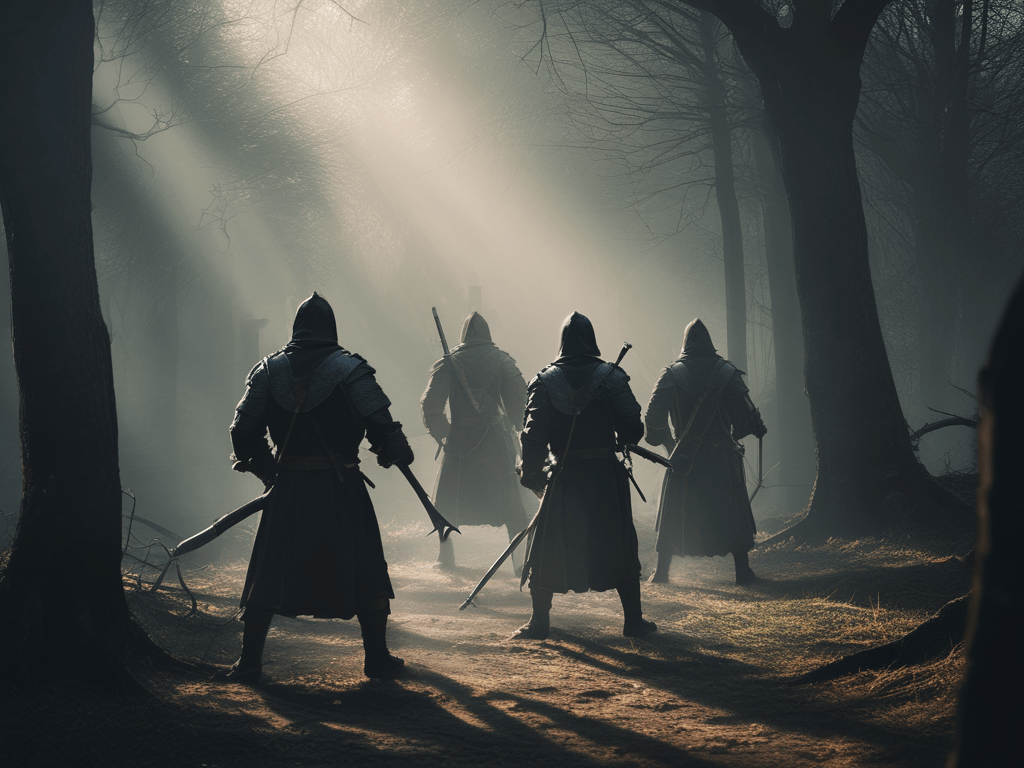
P.S. – I am currently in the process of moving, so my responses to comments will be delayed some until the move is finished. But that said, I still welcome your comments, questions, and suggestions!

P.P.S. – Apparently, the ability/function to subscribe via email was disabled for some reason? That’s been fixed and you can now subscribe via email!

From Page to Table: Adapting Your Favorite Fantasy Novels into D&D Campaigns

Dear Readers, fantasy literature has long been a wellspring of inspiration for Dungeons & Dragons campaigns. The rich worlds, compelling characters, and epic narratives found within the pages of fantasy novels provide fertile ground for dungeon masters (DMs) to craft immersive adventures that captivate their players. From the grandeur of Middle-earth in J.R.R. Tolkien’s “The Lord of the Rings” to the intrigue of Westeros in George R.R. Martin’s “A Song of Ice and Fire,” the possibilities for adaptation are as boundless as the imagination itself.

Today, we will explore the art of translating your favorite fantasy novels into unforgettable D&D campaigns. Whether you’re a seasoned DM looking for fresh inspiration or a newcomer eager to embark on your first campaign, this guide will provide you with the tools and techniques you need to bring your favorite literary worlds to life at the gaming table.

1. Choosing the Right Source Material

The first step in adapting a fantasy novel into a D&D campaign is selecting the right source material. Consider the following factors when making your choice:

  • World-Building: Look for novels with richly detailed worlds that offer a sense of depth and immersion. Settings like the Forgotten Realms, the world of Andrzej Sapkowski’s “The Witcher,” or the cosmere created by Brandon Sanderson are ripe for exploration.
  • Compelling Characters: Memorable characters can serve as both allies and adversaries for your players. Choose novels with a diverse cast of characters, each with their own motivations, quirks, and flaws.
  • Epic Storylines: Epic narratives full of twists, turns, and high-stakes conflicts are perfect for D&D campaigns. Whether it’s a quest to destroy a powerful artifact or a struggle for control of a kingdom, choose a novel with a storyline that lends itself to adaptation.

2. Understanding the Source Material

Once you’ve chosen your source material, it’s essential to immerse yourself in the world of the novel. Take the time to read and reread the book, paying close attention to key details such as:

  • Setting: Familiarize yourself with the geography, history, and culture of the world depicted in the novel. Create maps, timelines, and lore documents to help you visualize and understand the setting.
  • Characters: Take notes on the novel’s characters, including their personalities, relationships, and goals. Consider how these characters might interact with the player characters (PCs) in your D&D campaign.
  • Themes and Tone: Identify the themes and tone of the novel, whether it’s epic fantasy, dark fantasy, or something in between. Tailor your campaign to capture the same mood and atmosphere, incorporating elements like moral ambiguity, political intrigue, or epic battles.

3. Adapting the Material for D&D

Adapting a fantasy novel into a D&D campaign requires striking a balance between staying true to the source material and allowing for player agency and creativity. Here are some tips for successfully adapting the material:

  • Flexibility: Remember that D&D is a collaborative storytelling experience, and the actions of the players can often diverge from the plot of the novel. Be prepared to improvise and adapt your plans based on the choices and actions of the players.
  • Modularity: Break the novel down into smaller, modular components that can be rearranged or expanded upon as needed. This approach allows you to incorporate elements of the novel into your campaign without being beholden to a strict linear storyline.
  • Player Engagement: Keep your players engaged and invested in the story by incorporating their backstories, goals, and motivations into the campaign. Use the themes and conflicts of the novel as a backdrop for their personal journeys and character development.

4. Bringing the World to Life

Once you’ve adapted the material for your D&D campaign, it’s time to bring the world to life at the gaming table. Here are some tips for creating an immersive and unforgettable gaming experience:

  • Descriptive Storytelling: Use vivid descriptions and evocative language to paint a picture of the world for your players. Describe sights, sounds, smells, and textures to immerse them fully in the setting.
  • Dynamic NPCs: Bring the characters of the novel to life through memorable NPCs (non-player characters) that the players encounter throughout their journey. Use distinct voices, mannerisms, and motivations to make each NPC feel unique and compelling.
  • Interactive Environments: Design interactive environments that encourage exploration and discovery. Populate your world with hidden treasures, ancient ruins, and mysterious landmarks for the players to uncover.

5. Managing Expectations

Finally, it’s essential to manage your players’ expectations when adapting a fantasy novel into a D&D campaign. While you may draw inspiration from the novel, remind your players that the campaign is ultimately a unique and collaborative experience shaped by their choices and actions.

Encourage them to embrace the freedom and creativity that D&D offers, and reassure them that deviations from the source material are not only expected but welcomed. By fostering a spirit of collaboration and creativity, you can create a D&D campaign that honors the spirit of the novel while also providing a unique and memorable gaming experience.

Adapting your favorite fantasy novels into D&D campaigns can be a rewarding and fulfilling experience for both DMs and players alike. By choosing the right source material, understanding its themes and characters, and adapting it thoughtfully for the gaming table, you can create an immersive and unforgettable gaming experience that pays homage to the worlds and stories that inspired you.

So gather your party, sharpen your pencils, and prepare to embark on an epic journey through the pages of your favorite fantasy novels. Adventure awaits!

Until next time, Dear Readers…
Some Changes Coming

Dear Readers & Premium Subscribers (yeah, this concerns you as well), I know it’s been a minute, but we need to talk. Nothing bad, but I’ve got some things that are going to be changing.

Firstly, to rest your mind at ease, the blog is NOT going away, but will be taking a hiatus after May 2 with one exception (we’re getting to that). I’m in the middle of moving to a new place (an in-town move, but it’s a lot of work), and May is going to be insanely busy for me. Regular blog posts will resume in June.

The Ingrates will be premiering to the public, with no pay wall, the moment that my editor can get a new laptop. Those updates will likely be monthly, due to the aforementioned exception (I promise, we’re getting to it). We have concluded recording some 90+ episodes of the Ingrates, and you all have only gotten to episode 36. That’s a lot of footage for our editor to listen through, remove parts where we yell “PAUSE” when someone comes into our game space, and instances where we accidentally doxx ourselves, which happens more than we like, but few enough times that My Favorite & Only Editor has to catch it. According to them, it’s a process. That said, they are going to be working rather feverishly once they get a laptop up and running.

Which leads me to the exception I talked about earlier…

Due to several players having to drop the Ingrates (I know, very sad, especially considering who is dropping), I have a lot of campaign to rewrite. A lot. Especially since one of the players dropping is rather…central to the story. The Ingrates that are dropping include: Mewsie, Aramil, and Avery. When Mewsie dropped, Avery picked up playing Mewsie as an NPC. Then we picked up Clara to replace Mewsie’s player. Aramil and Avery, a married couple (actually my son and daughter in-law; they got married this past year), and had too many things going on and had to unfortunately choose the Ingrates as what they had to drop. The remaining Ingrates then had to have a conversation: what to do next?

We talked about a lot of options:

  1. Continuing the Ingrates with me doing re-writes along the way. Not the best solution for me, the DM, due to the sheer amount of work that would entail, but I could make it work.
  2. Play something different: This one led down a serious rabbit hole; we discussed playing Call of Cthulhu, d20 Modern (Shadow Chasers or something similar), or any number of things.
  3. Have Arkon’s player run something for us

So, with the options, we decided to go with both option 2 and 3, and here’s how.

First, we settled on me running Dungeons of Drakkenheim for the now reduced group, which includes the following players (I’m going to refer to them by their Ingrates names): Arkon, Talon (he appears later in the series), Clara (again, appears later in the series), Winter, Dacyria, Kana’l (appears somewhat later in the series), and Oliver. That leaves us with a total of 7 players. We are keeping the group at that size, and will not be adding anyone else.

Second, when it comes out, Arkon’s player will be running “Vecna: Eyes of Ruin” for the group once per month, to give me a break and time to campaign plan for both Drakkenheim and the Ingrates.

Which leads to a change, or rather, return to something that was dropped: we will be recording our Drakkenheim campaign, with the following cast: Lotor (Half-orc Barbarian), Abra (Tabaxi Rogue), Sylas (Custom Lineage [humanish] Fighter), Bitsy (Halfling Rogue), Sylvia (human[ish] Alchemist [new class from a Drakkenheim sourcebook], Arashi (Harrengon Sorcerer), and Orien (aasimar monk).

This campaign will be recorded and made available on Wednesdays for the Premium Subscribers only (at least until the Ingrates catches up). I’ll probably release the Drakkenheim podcast (they haven’t come up with a name yet) at a fairly fast pace (maybe multiple episodes a week or something as my editor can crank them out) until we catch up to where we are, likely a week behind when it was actually played. Of course, we wish we could do an actual live play, but for the sake of anonymity, we try to avoid using player names (at least until/if we become “famous,” lol), and we have to invariably edit those out. Also, I expect the quality of those episodes to be much greater, since I’ll be trying a new sound set up so we don’t all sound so far away. I’m actually saving up for a new laptop that can handle a piece of hardware allowing us to each wear individual mics that would record us all simultaneously with higher fidelity. That’s about 8 months out or so, but it will be worth it when it happens. We’ll work with what we have in the meantime.

Welp, that’s it for today. Here’s a few memes to brighten your day!

Until next time, Dear Readers…

Unconventional Character Builds: Exploring Unique Class Combinations

Dear Readers, in the vast and wondrous world of Dungeons & Dragons, the possibilities for character creation are limited only by your imagination. While many players are drawn to the iconic classes like fighter, wizard, and rogue, there exists a realm of untapped potential in unconventional character builds—those unique combinations of race, class, and abilities that defy expectations and challenge the status quo. In this blog post, we embark on a journey to explore some of the most unconventional character builds in D&D, from the whimsical to the downright bizarre, and uncover the hidden depths of creativity and ingenuity that lie within. Also, the way I’ve structured the list is by primary class followed by secondary. So the first entry, the Barbarian Bard would be primarily a Barbarian and secondarily a rogue. Some combinations, therefore, will be reverses, but have their own flavor.

  1. The Barbarian Bard:

At first glance, the barbarian and the bard may seem like polar opposites—the former a savage warrior fueled by rage and primal instincts, the latter a charismatic performer skilled in the arts of music and storytelling. However, when combined, these two classes create a character unlike any other: the barbarian bard, a fearsome warrior-poet whose thunderous battle cries inspire allies and strike fear into the hearts of enemies.

The key to mastering the barbarian bard lies in finding the balance between brute force and finesse, strength and charisma. By harnessing the raw power of their rage and channeling it through the artistry of their music, the barbarian bard can turn the tide of battle with a single chord or a well-timed verse. Whether leading their comrades into battle with an epic ballad or unleashing their fury upon their foes with a mighty war cry, the barbarian bard is a force to be reckoned with on the battlefield and beyond.

  1. The Paladin Rogue:

In the world of D&D, paladins are often revered as champions of justice and righteousness, sworn to uphold the principles of honor and duty at any cost. Conversely, rogues are seen as cunning and stealthy opportunists, skilled in the arts of deception and subterfuge. But what happens when you combine these two disparate classes into a single character? Enter the paladin rogue, a shadowy crusader whose devotion to the light is matched only by their skill in the art of stealth and subterfuge.

The paladin rogue walks a fine line between law and chaos, good and evil, using their divine powers to smite the wicked and their rogue abilities to outmaneuver and outwit their foes. With a keen eye for weakness and a talent for exploiting it, the paladin rogue strikes fear into the hearts of evildoers everywhere, knowing that justice is not always served in the light of day.

  1. The Warlock Monk:

The warlock and the monk are two classes with vastly different origins and philosophies—the former drawing power from dark pacts and eldritch patrons, the latter mastering the ancient arts of self-discipline and inner harmony. Yet, when combined, these two classes create a character with a unique blend of martial prowess and otherworldly magic: the warlock monk, a mystical warrior who channels the powers of the cosmos through their body and mind.

The warlock monk’s path to enlightenment is a precarious one, fraught with temptation and peril. By forging pacts with eldritch beings and harnessing their otherworldly power, the warlock monk gains access to a host of magical abilities that complement their martial prowess. Whether conjuring eldritch blasts to smite their enemies from afar or channeling the energies of the cosmos to enhance their physical abilities, the warlock monk is a force to be reckoned with on the battlefield and beyond.

  1. The Sorcerer Druid:

Sorcerers and druids are both wielders of arcane magic, but their approaches to the mystic arts are as different as night and day. Sorcerers draw their power from within, tapping into the raw energy of their sorcerous bloodline to fuel their spells, while druids draw their power from the natural world, communing with the spirits of the land and the elements. When combined, these two classes create a character with a unique affinity for both the arcane and the natural world: the sorcerer druid, a mage who harnesses the powers of both the elements and the cosmos.

The sorcerer druid’s magic is a reflection of the balance and harmony found in nature, blending the primal forces of earth, air, fire, and water with the cosmic energies of the heavens. By attuning themselves to the rhythms of the natural world and the cycles of the cosmos, the sorcerer druid gains access to a wide range of magical abilities that allow them to shape and manipulate the world around them. Whether summoning storms to cleanse the land or conjuring beasts to aid them in battle, the sorcerer druid is a master of both the arcane and the natural arts.

  1. The Cleric Warlock:

Clerics are divine servants of the gods, blessed with the power to heal the sick, smite the wicked, and channel the divine will of their deities. Warlocks, on the other hand, are mortal agents who have forged pacts with powerful beings from beyond the mortal realm, trading their souls for arcane power and forbidden knowledge. When combined, these two classes create a character with a unique blend of divine and eldritch power: the cleric warlock, a mystic warrior who serves both the will of their god and the whims of their otherworldly patron.

The cleric warlock’s magic is a reflection of their dual allegiance to both the divine and the infernal, drawing power from the light of their god and the darkness of their patron. By invoking the names of both their deity and their patron, the cleric warlock gains access to a wide range of magical abilities that allow them to heal the wounded and smite the wicked with equal ease. Whether channeling holy energy to banish undead or conjuring infernal flames to incinerate their enemies, the cleric warlock is a formidable force on the battlefield and beyond.

  1. The Wizard Barbarian:

Wizards are masters of arcane knowledge, scholars who study the secrets of magic and unlock the mysteries of the universe through rigorous study and experimentation. Barbarians, on the other hand, are primal warriors who draw their strength from their raw physical power and their unyielding will to survive. When combined, these two classes create a character with a unique blend of intellect and brute force: the wizard barbarian, a savage sage who wields both spell and steel with equal proficiency.

The wizard barbarian’s magic is a reflection of their wild and untamed nature, drawing power from the primal energies of the natural world and the arcane mysteries of the cosmos. By tapping into the latent energies of their rage and channeling them through their spells, the wizard barbarian gains access to a wide range of magical abilities that allow them to unleash devastating attacks and protect themselves from harm. Whether hurling fireballs to incinerate their enemies or conjuring protective wards to shield themselves from harm, the wizard barbarian is a force to be reckoned with on the battlefield and beyond.

  1. The Fighter Druid:

Fighters are skilled warriors who excel in combat, honing their skills through years of training and experience on the battlefield. Druids, on the other hand, are mystical guardians of the natural world, attuned to the rhythms of the earth and the spirits of the land. When combined, these two classes create a character with a unique blend of martial prowess and mystical power: the fighter druid, a warrior who draws strength from the earth itself and fights with the fury of the wild.

The fighter druid’s combat style is a dynamic blend of martial techniques and primal magic, combining the discipline of the warrior with the instinctual power of the druid. By channeling the elemental energies of nature through their weapons and armor, the fighter druid gains access to a wide range of abilities that enhance their combat prowess and protect them from harm.

Through their connection to the natural world, the fighter druid can call upon the spirits of the earth to strengthen their attacks, summon creatures to aid them in battle, and manipulate the very elements themselves to turn the tide of combat in their favor. Whether unleashing the fury of a raging storm or commanding the earth to swallow their enemies whole, the fighter druid is a formidable opponent on the battlefield and a stalwart protector of the natural world.

  1. The Ranger Rogue:

Rangers are skilled hunters and trackers, at home in the wilderness and adept at navigating the untamed wilds. Rogues, on the other hand, are cunning and stealthy opportunists, skilled in the arts of deception and subterfuge. When combined, these two classes create a character with a unique blend of wilderness survival skills and rogueish cunning: the ranger rogue, a master of stealth and ambush who strikes from the shadows with deadly precision.

The ranger rogue’s expertise lies in their ability to blend seamlessly into their surroundings, using their knowledge of the wilderness to gain the upper hand in combat and evade detection from their foes. By combining their ranger abilities with their rogue skills, the ranger rogue becomes a deadly predator, capable of striking swiftly and silently from the shadows before disappearing without a trace.

With their keen senses and their mastery of stealth, the ranger rogue excels at scouting ahead, gathering information, and setting traps for their enemies. Whether picking off targets from a distance with their bow and arrow or launching a surprise attack from the underbrush, the ranger rogue is a silent and deadly threat on the battlefield.

Truth be told, however, I’ve seen this build pretty regularly with a few of my players, combining a Gloomstalker Ranger with an Assassin Rogue. It’s…pretty deadly.

  1. The Monk Cleric:

Monks are disciplined warriors who have mastered the art of unarmed combat, harnessing their inner strength and spiritual energy to achieve feats of superhuman agility and power. Clerics, on the other hand, are divine servants of the gods, blessed with the power to heal the sick, smite the wicked, and channel the divine will of their deities. When combined, these two classes create a character with a unique blend of martial prowess and divine magic: the monk cleric, a holy warrior who fights with the grace of a dancer and the power of a priest.

The monk cleric’s combat style is a fusion of physicality and spirituality, combining the martial techniques of the monk with the divine magic of the cleric. By channeling their inner ki and tapping into the divine energies of their deity, the monk cleric gains access to a wide range of abilities that enhance their combat abilities and support their allies in battle.

With their mastery of unarmed combat and their connection to the divine, the monk cleric excels at both offense and defense on the battlefield. Whether striking with lightning-fast punches and kicks or channeling holy energy to heal their allies and smite their enemies, the monk cleric is a versatile and formidable combatant in any encounter.

  1. The Bard Warlock:

Bards are charismatic performers and storytellers, skilled in the arts of music, magic, and manipulation. Warlocks, on the other hand, are mortal agents who have forged pacts with powerful beings from beyond the mortal realm, trading their souls for arcane power and forbidden knowledge. When combined, these two classes create a character with a unique blend of charm and eldritch power: the bard warlock, a master of manipulation who uses their charisma and cunning to bend others to their will.

The bard warlock’s magic is a reflection of their mastery of both music and the arcane, blending the enchanting melodies of the bard with the dark and mysterious powers of the warlock. By weaving spellsong and invocation together, the bard warlock gains access to a wide range of abilities that allow them to mesmerize their enemies, inspire their allies, and shape the very fabric of reality to suit their whims.

With their silver tongue and their eldritch powers, the bard warlock excels at both charm and manipulation, using their charisma and cunning to deceive, seduce, and intimidate their foes. Whether beguiling their enemies with honeyed words or blasting them with eldritch energy, the bard warlock is a master of persuasion and manipulation in any social encounter or battle.

  1. The Druid Sorcerer:

Druids are mystical guardians of the natural world, attuned to the rhythms of the earth and the spirits of the land. Sorcerers, on the other hand, are wielders of arcane magic, drawing power from their sorcerous bloodline to fuel their spells. When combined, these two classes create a character with a unique blend of primal power and arcane magic: the druid sorcerer, a mage who channels the elemental forces of nature through their sorcerous bloodline.

The druid sorcerer’s magic is a reflection of their deep connection to the natural world and their innate sorcerous abilities, blending the primal energies of earth, air, fire, and water with the arcane mysteries of the cosmos. By attuning themselves to the forces of nature and the elements, the druid sorcerer gains access to a wide range of magical abilities that allow them to shape and manipulate the world around them.

With their mastery of both primal magic and arcane sorcery, the druid sorcerer excels at both offense and defense on the battlefield. Whether summoning storms to cleanse the land or hurling bolts of lightning to smite their enemies, the druid sorcerer is a formidable force in any encounter, harnessing the power of nature and the cosmos to achieve their goals.

  1. The Rogue Fighter:

Rogues are skilled opportunists and stealthy assassins, adept at slipping past defenses and striking from the shadows. Fighters, on the other hand, are disciplined warriors who excel in combat, honing their skills through years of training and experience on the battlefield. When combined, these two classes create a character with a unique blend of cunning and combat prowess: the rogue fighter, a master of stealth and strategy who fights with the skill of a trained warrior and the guile of a seasoned rogue.

The rogue fighter’s combat style is a fusion of finesse and brute force, combining the precision strikes of the rogue with the raw power of the fighter. By combining their rogue abilities with their fighter skills, the rogue fighter gains access to a wide range of abilities that allow them to outmaneuver their enemies, exploit their weaknesses, and strike with deadly precision.

With their mastery of stealth and their skill in combat, the rogue fighter excels at both reconnaissance and assassination, using their cunning and guile to outsmart their foes and strike from the shadows. Whether picking off targets from a distance with their bow and arrow or launching a surprise attack from the darkness, the rogue fighter is a deadly threat on the battlefield.

  1. The Sorcerer Paladin:

Sorcerers are wielders of arcane magic, drawing power from their sorcerous bloodline to fuel their spells. Paladins, on the other hand, are divine champions of justice and righteousness, sworn to uphold the principles of honor and duty at any cost. When combined, these two classes create a character with a unique blend of arcane power and divine magic: the sorcerer paladin, a holy mage who wields the power of the cosmos with the righteousness of a paladin.

The sorcerer paladin’s magic is a reflection of their deep connection to both the arcane and the divine, blending the raw energy of their sorcerous bloodline with the divine power of their oath. By harnessing the cosmic forces of magic and the radiant energies of their deity, the sorcerer paladin gains access to a wide range of magical abilities that allow them to smite the wicked and protect the innocent.

With their mastery of both arcane and divine magic, the sorcerer paladin excels at both offense and defense on the battlefield. Whether raining down bolts of lightning to incinerate their enemies or channeling holy energy to heal their allies and bolster their defenses, the sorcerer paladin is a formidable force in any encounter, using their magic to uphold the principles of justice and righteousness.

  1. The Barbarian Druid:

Barbarians are savage warriors who draw their strength from their raw physical power and their unyielding will to survive. Druids, on the other hand, are mystical guardians of the natural world, attuned to the rhythms of the earth and the spirits of the land. When combined, these two classes create a character with a unique blend of primal power and elemental magic: the barbarian druid, a warrior who channels the fury of the wild through their own body and mind.

The barbarian druid’s combat style is a fusion of brute force and primal magic, combining the savage strength of the barbarian with the elemental powers of the druid. By tapping into the primal energies of nature and the elements, the barbarian druid gains access to a wide range of abilities that enhance their combat abilities and protect them from harm.

With their mastery of both physical and mystical combat, the barbarian druid excels at both offense and defense on the battlefield. Whether unleashing the fury of a raging storm or transforming into a mighty beast to tear their enemies apart, the barbarian druid is a force to be reckoned with in any encounter, using their primal powers to overcome any obstacle in their path.

  1. The Cleric Bard:

Clerics are divine servants of the gods, blessed with the power to heal the sick, smite the wicked, and channel the divine will of their deities. Bards, on the other hand, are charismatic performers and storytellers, skilled in the arts of music, magic, and manipulation. When combined, these two classes create a character with a unique blend of divine magic and musical talent: the cleric bard, a holy troubadour who spreads the word of their deity through song and story.

The cleric bard’s magic is a reflection of their dual talents as both a healer and a performer, blending the divine power of the cleric with the enchanting melodies of the bard. By channeling the power of their deity through their music, the cleric bard gains access to a wide range of abilities that allow them to inspire their allies, heal the wounded, and smite the wicked with the righteous fury of their god.

With their mastery of both divine magic and musical performance, the cleric bard excels at both support and offense on the battlefield. Whether rallying their allies with stirring ballads or blasting their enemies with holy energy, the cleric bard is a versatile and formidable combatant in any encounter, using their music to uplift the spirits of their allies and strike fear into the hearts of their foes.

  1. The Warlock Ranger:

Warlocks are mortal agents who have forged pacts with powerful beings from beyond the mortal realm, trading their souls for arcane power and forbidden knowledge. Rangers, on the other hand, are skilled hunters and trackers, at home in the wilderness and adept at navigating the untamed wilds. When combined, these two classes create a character with a unique blend of eldritch power and wilderness survival skills: the warlock ranger, a master of both arcane magic and woodland lore.

The warlock ranger’s magic is a reflection of their connection to both the arcane and the natural world, blending the eldritch powers of the warlock with the primal energies of the ranger. By forging pacts with otherworldly beings and communing with the spirits of the wild, the warlock ranger gains access to a wide range of abilities that allow them to navigate the wilderness with ease, summon creatures to aid them in battle, and unleash devastating spells on their enemies.

With their mastery of both arcane magic and wilderness survival skills, the warlock ranger excels at both exploration and combat in the untamed wilds. Whether tracking their quarry through the forest with uncanny precision or unleashing blasts of eldritch energy to annihilate their enemies, the warlock ranger is a formidable force in any wilderness encounter, using their magic and their wits to overcome any obstacle in their path.

  1. The Monk Wizard:

Monks are disciplined warriors who have mastered the art of unarmed combat, harnessing their inner strength and spiritual energy to achieve feats of superhuman agility and power. Wizards, on the other hand, are masters of arcane knowledge, scholars who study the secrets of magic and unlock the mysteries of the universe through rigorous study and experimentation. When combined, these two classes create a character with a unique blend of martial prowess and arcane magic: the monk wizard, a mystical warrior who channels the power of the cosmos through their body and mind.

The monk wizard’s magic is a reflection of their deep spiritual connection and their profound understanding of the arcane. By blending the physical techniques of the monk with the arcane knowledge of the wizard, the monk wizard gains access to a wide range of abilities that allow them to unleash devastating spells and perform incredible feats of martial prowess.

With their mastery of both martial arts and arcane magic, the monk wizard excels at both offense and defense on the battlefield. Whether striking with lightning-fast punches and kicks or hurling bolts of energy to incinerate their enemies, the monk wizard is a formidable force in any encounter, using their magic and their martial skills to achieve victory.

  1. The Ranger Sorcerer:

Rangers are skilled hunters and trackers, at home in the wilderness and adept at navigating the untamed wilds. Sorcerers, on the other hand, are wielders of arcane magic, drawing power from their sorcerous bloodline to fuel their spells. When combined, these two classes create a character with a unique blend of wilderness survival skills and arcane magic: the ranger sorcerer, a master of both nature and the arcane who harnesses the power of the elements to aid them in their quests.

The ranger sorcerer’s magic is a reflection of their deep connection to the natural world and their innate sorcerous abilities, blending the primal energies of the wilderness with the raw power of their sorcerous bloodline. By channeling the elemental forces of nature through their arcane spells, the ranger sorcerer gains access to a wide range of abilities that allow them to navigate the wilderness with ease and unleash devastating spells on their enemies.

With their mastery of both wilderness survival skills and arcane magic, the ranger sorcerer excels at both exploration and combat in the untamed wilds. Whether tracking their quarry through the forest with uncanny precision or summoning storms to cleanse the land of their enemies, the ranger sorcerer is a formidable force in any wilderness encounter, using their magic and their skills to overcome any obstacle in their path.

  1. The Druid Barbarian:

Druids are mystical guardians of the natural world, attuned to the rhythms of the earth and the spirits of the land. Barbarians, on the other hand, are savage warriors who draw their strength from their raw physical power and their unyielding will to survive. When combined, these two classes create a character with a unique blend of primal power and elemental magic: the druid barbarian, a warrior who channels the fury of the wild through their own body and mind.

The druid barbarian’s combat style is a fusion of brute force and primal magic, combining the savage strength of the barbarian with the elemental powers of the druid. By tapping into the primal energies of nature and the elements, the druid barbarian gains access to a wide range of abilities that enhance their combat abilities and protect them from harm.

With their mastery of both physical combat and elemental magic, the druid barbarian excels at both offense and defense on the battlefield. Whether transforming into a mighty beast to tear their enemies apart or summoning storms to cleanse the land of their foes, the druid barbarian is a force to be reckoned with in any encounter, using their primal powers to overcome any obstacle in their path.

I’ve seen this build in my Sunday night game, and it was used to great effect, especially considering the fact that he was a goliath.

  1. The Rogue Monk:

Rogues are skilled opportunists and stealthy assassins, adept at slipping past defenses and striking from the shadows. Monks, on the other hand, are disciplined warriors who have mastered the art of unarmed combat, harnessing their inner strength and spiritual energy to achieve feats of superhuman agility and power. When combined, these two classes create a character with a unique blend of stealth and martial prowess: the rogue monk, a master of both subtlety and combat who strikes with deadly precision from the shadows.

The rogue monk’s combat style is a fusion of finesse and brute force, combining the stealthy techniques of the rogue with the disciplined martial arts of the monk. By blending the agility of the rogue with the strength and speed of the monk, the rogue monk gains access to a wide range of abilities that allow them to outmaneuver their enemies and strike with deadly precision.

With their mastery of both stealth and martial arts, the rogue monk excels at both reconnaissance and combat on the battlefield. Whether slipping past enemy defenses to deliver a deadly strike or unleashing a flurry of blows to incapacitate their foes, the rogue monk is a silent and deadly threat in any encounter, using their skills to achieve victory through cunning and precision.

In conclusion, the world of D&D is filled with endless possibilities for character creation. By exploring unconventional class combinations like the ones discussed in this blog post, players can unlock new depths of creativity and challenge themselves to think outside the box. Whether you’re a barbarian bard, a sorcerer paladin, or a ranger sorcerer, the only limit to your character’s potential is your own imagination.

Until next time, Dear Readers…
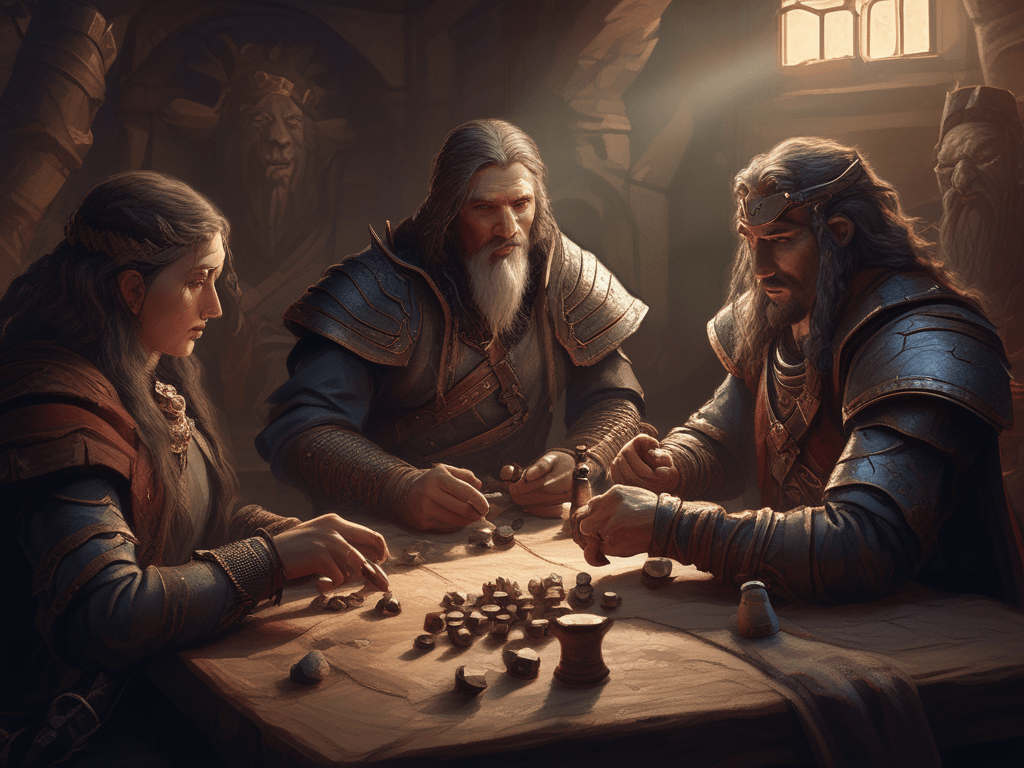
Inclusive Gaming: Creating Safe and Welcoming Spaces for Diverse Players

Dear Readers, if you haven’t already been able to tell, I’ve been addressing some social issues revolving around D&D in recent history. I do so with an unapologetic attitude. These, I believe, are necessary conversations that we, as a gaming community MUST have, to further enhance, safeguard, and grow the very community we belong to. So, with no further ado…

Dear Readers, Dungeons & Dragons (D&D) is more than just a game—it’s a community. At its heart, D&D is about coming together with friends to tell stories, embark on adventures, and share in the joys of collaborative storytelling. However, for many players, finding a welcoming and inclusive gaming group can be a challenge. In this blog post, we’ll explore the importance of creating safe and welcoming spaces for diverse players in the world of D&D and offer practical tips for fostering inclusivity at your gaming table.

Understanding Diversity in D&D:

Diversity is a hallmark of the human experience, and it should be reflected in the worlds we create and explore in D&D. Diversity encompasses a wide range of factors, including race, ethnicity, gender identity, sexual orientation, disability, and neurodiversity, among others. Embracing diversity in our games not only enriches the storytelling experience but also fosters empathy, understanding, and respect among players.

One of the strengths of D&D is its ability to accommodate players of all backgrounds and identities. Whether you’re a human rogue, a tiefling sorcerer, or a non-binary dwarf cleric, there’s a place for you in the world of D&D. However, creating an inclusive gaming environment requires more than just token representation—it requires a commitment to equity, fairness, and respect for all players.

Fostering Inclusivity at Your Gaming Table:

Creating a safe and welcoming space for diverse players begins with setting clear expectations and boundaries for behavior at the gaming table. Establishing ground rules around topics like respect, consent, and sensitivity to diverse identities can help ensure that everyone feels valued and heard. Some key principles to consider include:

  1. Respect: Treat your fellow players with kindness, empathy, and respect, regardless of their background or identity. Avoid making assumptions or stereotypes based on appearance or perceived differences.
  2. Consent: Always ask for consent before introducing sensitive or potentially triggering topics into the game. Respect players’ boundaries and comfort levels, and be willing to modify or skip content if it makes anyone uncomfortable.
  3. Language: Be mindful of the language you use and the impact it may have on others. Avoid using derogatory or offensive language, and be open to feedback if someone expresses discomfort with certain terms or expressions.
  4. Representation: Strive to create diverse and inclusive representations of characters, cultures, and identities in your game world. Incorporate characters from a variety of backgrounds and perspectives, and be open to exploring themes of social justice and equity in your storytelling.
  5. Accessibility: Consider the needs of players with disabilities or other accessibility requirements when planning your gaming sessions. Provide accommodations such as large-print materials, wheelchair-accessible spaces, or assistive technologies as needed.

By incorporating these principles into your gaming sessions, you can create an environment where all players feel valued, respected, and included.

Addressing Common Challenges:

Despite our best intentions, creating an inclusive gaming space isn’t always easy. There may be challenges and obstacles along the way, but with patience, empathy, and open communication, these challenges can be overcome.

One common challenge is the presence of unconscious bias or microaggressions in the gaming community. These subtle forms of discrimination can manifest in various ways, such as making assumptions about someone’s abilities based on their appearance or excluding players from certain activities or conversations.

To combat unconscious bias and microaggressions, it’s important to educate ourselves and others about the impact of our words and actions. Engage in open dialogue with your fellow players about issues of diversity and inclusion, and be willing to listen and learn from each other’s experiences.

Another challenge is the lack of representation and visibility for marginalized groups within the gaming community. Historically, D&D has been dominated by white, heterosexual, cisgender men, leading to a lack of diverse voices and perspectives in the hobby. However, this is beginning to change as more players from underrepresented groups enter the gaming community and demand greater visibility and representation.

As players and creators, we have a responsibility to amplify marginalized voices and support initiatives that promote diversity and inclusion within the gaming industry. This may involve seeking out and supporting content created by diverse creators, advocating for inclusive policies and practices within gaming communities, and actively working to dismantle barriers to access and participation for marginalized groups.

Celebrating Diversity in D&D:

Despite the challenges we may face, it’s important to celebrate the diversity and richness of the D&D community. Every player brings their own unique perspective, experiences, and talents to the table, enriching the gaming experience for everyone involved.

One way to celebrate diversity in D&D is to incorporate diverse and inclusive storytelling into your games. Explore themes of identity, belonging, and social justice in your campaigns, and encourage players to create characters that reflect their own backgrounds and identities. By centering the experiences of marginalized groups in your storytelling, you can create a more vibrant and inclusive game world that resonates with all players.

Additionally, seek out and support initiatives that promote diversity and inclusion within the gaming community. This may include participating in diversity-focused gaming events, supporting crowdfunding campaigns for games created by marginalized creators, or volunteering your time and resources to organizations that promote diversity and inclusion in gaming.

Conclusion:

Inclusive gaming isn’t just about creating a safe and welcoming space for diverse players—it’s about recognizing the inherent value and dignity of every individual and embracing the richness of human diversity. By incorporating principles of respect, consent, representation, accessibility, and celebration into our gaming sessions, we can create a more inclusive and equitable gaming community where all players feel valued, respected, and empowered to be their authentic selves.

As players and creators, we have the power to shape the future of gaming and create a world where everyone has a seat at the table. Let’s work together to build a gaming community that reflects the diversity and complexity of the world we live in—a community where all voices are heard, all stories are valued, and all players are welcome.

Until next time, Dear Readers…
The Myths of the Satanic Panic: A Hard Time for D&D Players

Dear Readers, in the annals of Dungeons & Dragons (D&D) history, there exists a chapter that remains etched in the collective memory of players and enthusiasts alike—the era of the Satanic Panic. This dark period, spanning the 1980s and early 1990s, saw D&D come under intense scrutiny and condemnation from various quarters of society. Accusations of promoting Satanism, encouraging occult practices, and even driving players to madness and suicide were rampant. In this blog post, we delve into the myths of the Satanic Panic, exploring its origins, its impact on D&D, and the enduring legacy it has left on the gaming community.

Origins of the Satanic Panic:

To understand the Satanic Panic and its impact on D&D, it’s essential to grasp the cultural and social context in which it emerged. The 1970s and 1980s were marked by a resurgence of conservative values in the United States, fueled in part by the rise of the religious right and the Moral Majority movement. Against this backdrop, concerns about the influence of popular culture on youth were on the rise, with particular attention given to music, movies, and, of course, tabletop role-playing games like D&D.

The roots of the Satanic Panic can be traced back to a series of high-profile criminal cases, most notably the trials of accused serial killers such as Charles Manson and Richard Ramirez, whose crimes were sensationalized in the media and linked to Satanic rituals and cult activity. These cases, combined with the publication of books like “Michelle Remembers” by Michelle Smith and Lawrence Pazder, which purported to document real-life experiences of Satanic ritual abuse, laid the groundwork for a climate of fear and paranoia.

Enter D&D:

Against this backdrop of fear and uncertainty, D&D emerged as a convenient scapegoat for societal anxieties about youth culture and the perceived erosion of traditional values. With its themes of magic, monsters, and occultism, D&D was an easy target for moral crusaders looking to rally support against perceived threats to the moral fabric of society.

The release of the “Advanced Dungeons & Dragons Player’s Handbook” in 1978 further stoked fears about the game’s content, with its inclusion of spells, demons, and other elements deemed objectionable by critics. Sensationalized accounts of D&D-related incidents, such as the disappearance of James Dallas Egbert III and the tragic death of Irving Lee Pulling Jr., only served to fuel the flames of hysteria.

The Media Blitz:

Fueling the flames of the Satanic Panic were sensationalized media reports, television specials, and books that painted D&D as a dangerous and corrupting influence on impressionable young minds. From tabloid headlines proclaiming “Dungeons of Death” to primetime news segments warning of the perils of “demonic possession,” the media played a significant role in shaping public perception of the game.

One of the most notorious examples of media hysteria surrounding D&D was the made-for-TV movie “Mazes and Monsters,” starring Tom Hanks. Loosely based on the real-life disappearance of James Dallas Egbert III, the film depicted a group of college students who become obsessed with a fictional role-playing game and descend into madness and violence. While the movie was widely panned by critics and disavowed by D&D creator Gary Gygax, it nevertheless reinforced negative stereotypes about the game and its players.

Legal Battles and Moral Crusades:

The Satanic Panic also led to a wave of legal challenges and moral crusades against D&D, as concerned parents, religious groups, and politicians sought to ban or restrict access to the game. In 1982, Patricia Pulling, the mother of Irving Lee Pulling Jr., filed a lawsuit against TSR, the company behind D&D, alleging that the game had contributed to her son’s suicide. While the lawsuit was ultimately dismissed, it sparked a nationwide debate about the potential dangers of D&D and led to calls for regulation.

In response to mounting pressure, some school districts and libraries banned D&D from their premises, while others implemented strict guidelines for its use. In some cases, D&D players found themselves ostracized by their peers or subjected to harassment and bullying by authority figures who viewed the game as a gateway to Satanic worship or criminal behavior.

The Legacy of the Satanic Panic:

Despite being debunked and discredited in the years since, the legacy of the Satanic Panic continues to loom large in the collective memory of the gaming community. For many players who lived through the era, the scars of stigma and persecution run deep, serving as a reminder of the power of fear and misinformation to shape public opinion.

Moreover, the Satanic Panic had a lasting impact on the gaming industry, prompting publishers to self-censor and sanitize their products to avoid controversy. In the wake of the backlash against D&D, other tabletop role-playing games faced similar scrutiny, leading to a chilling effect on creativity and innovation within the hobby.

Thankfully, the tide began to turn in the 1990s, as public awareness of the dangers of moral panic grew, and scholars and journalists began to debunk the myths and misconceptions surrounding D&D. With the rise of the internet and the proliferation of online communities, players were able to connect with like-minded individuals and share their love of the game without fear of persecution.

Moving Forward:

Today, D&D stands as a testament to the resilience of the human spirit and the enduring power of imagination. Despite the challenges of the past, the game continues to thrive, captivating new generations of players and inspiring countless works of fiction, art, and scholarship.

As we reflect on the myths of the Satanic Panic, let us remember the lessons of history and remain vigilant against the forces of fear and ignorance that seek to divide us. By embracing diversity, inclusivity, and creativity, we can ensure that D&D remains a beacon of light in a world too often shrouded in darkness.

We must always be watchful for a resurgence of this nonsensical ideology, as even in modern days have we seen such entities like QAnon beginning to dredge up the debunked claims of the Satanic Panic.

In the words of Gary Gygax, “D&D is about social interaction, imagination, and storytelling. It’s about creating a shared experience that brings people together and allows them to explore new worlds and new ideas. It’s about friendship, teamwork, and the power of the human imagination to overcome adversity. And, most importantly, it’s about having fun.”

So let us raise our dice in defiance of the myths of the Satanic Panic and celebrate the magic of D&D, now and forevermore.

May your adventures be epic, your rolls be natural 20s, and your friendships be as enduring as the bonds forged around the gaming table.

Until next time, Dear Readers…
Everything You Thought You Knew: The Top Misconceptions about D&D

Dear Readers, Dungeons & Dragons (D&D) has been captivating adventurers since its inception in the 1970s. Over the years, it has evolved from a niche hobby into a cultural phenomenon, with millions of players worldwide. Despite its popularity, misconceptions about the game persist, fueled by hearsay, stereotypes, and misinformation. In this blog post, we’ll debunk some of the most common myths and misconceptions surrounding D&D, shedding light on the truth behind the dice rolls and dungeon crawls.

  1. Myth: D&D is Just for Nerds

One of the most enduring misconceptions about D&D is that it’s exclusively for nerds or social outcasts. While it’s true that the game has attracted its fair share of enthusiasts from these demographics, the reality is that D&D appeals to a broad spectrum of people. Players come from all walks of life, including doctors, lawyers, teachers, artists, and athletes. The game’s appeal lies in its ability to transport players to fantastical worlds where they can unleash their creativity and imagination, regardless of their background or interests.

Moreover, D&D encourages social interaction and teamwork, making it an excellent way for people to bond and forge friendships. Whether you’re slaying dragons with your childhood friends or embarking on epic quests with colleagues from work, D&D has a way of bringing people together like few other activities can.

  1. Myth: D&D is Satanic or Promotes Occultism

During the 1980s, D&D came under fire from religious groups and conservative pundits who claimed that the game promoted Satanism, witchcraft, and other occult practices. This moral panic led to widespread hysteria and even allegations that playing D&D could lead to demonic possession or suicide.

In reality, D&D is a game of make-believe, no different from playing cops and robbers or cowboys and Indians. The spells, monsters, and magical artifacts in the game are purely fictional and draw inspiration from mythology, folklore, and literature. While some religious themes may appear in D&D, they are typically drawn from a variety of cultural sources and are presented in a fantasy context.

Furthermore, the vast majority of D&D players are well-adjusted individuals who understand the clear distinction between fantasy and reality. For most players, D&D is simply a form of entertainment, not a gateway to the dark arts.

In fact, there is a great documentary, headed by a man known online as “The Geek Preacher” named Derek White (he’s actually an ordained Christian minister who plays D&D!), that more thoroughly debunks the myths around the “Satanic Panic” called “The Satanic Panic and the Religious Battle for the Imagination.” If you can get your hands on it, I HIGHLY recomend it for viewing, especially if you are a Christian player who struggles to both reconcile your hobby with the myths your faith-group may be propogating, as well as to debunk those myths with your particular faith-group. Keep in mind, however, that some people, no matter how much evidence to the contrary they are presented with, just won’t change their minds on the subject. I like to remind these people that daycares (yes, daycares; the ones who watch our children while we are at work) and heavy metal music were considered “satanic” during the “Satanic Panic.” Let that one sink in for a minute. Ridiculous, I know. Now, there are tons of articles talking about the absolute stupidity of how it began and how it was propogated. In fact, I think I might write a future post on this topic specifically.

  1. Myth: D&D is Just for Men

Another common misconception is that D&D is a boys’ club, dominated by male players and male characters. While it’s true that the hobby has historically been male-dominated, the landscape of D&D has evolved significantly in recent years.

Today, more women than ever are playing D&D, both as players and as dungeon masters (DMs). In addition, game publishers have made a concerted effort to create inclusive and diverse content that reflects the diverse interests of their player base. From female warriors and spellcasters to non-binary rogues and genderqueer bards, there’s no shortage of options for players who want to explore characters of any gender identity.

Furthermore, the D&D community has become increasingly welcoming and inclusive, with initiatives aimed at promoting diversity and representation within the hobby. Events like “Women in Tabletop Gaming” and “Queer as a Three-Sided Die” provide safe spaces for marginalized groups to come together and celebrate their love of gaming.

Now, I say all this but have to acknowledge the decades old problem of misogyny surrounding the game for so many years. Unfortunately, even to this day, some male players act as “gatekeepers” if you will, of the game and hobby we all know and love. I want to state, categorically, that there is absolutely, without exception, no place for such people in our gaming communities.

If you think otherwise, fight me.

  1. Myth: You Need to Be Good at Math to Play D&D

Many people are intimidated by the prospect of playing D&D because they believe it requires advanced math skills to calculate dice rolls, track hit points, and resolve combat encounters. While arithmetic does play a role in the game, particularly when calculating damage or determining modifiers, you don’t need to be a math whiz to enjoy D&D.

In fact, the rules of D&D are designed to be flexible and adaptable, allowing players to focus more on storytelling and problem-solving than on number crunching. Many groups use digital tools or reference charts to streamline the game mechanics, making it easier for players to focus on the roleplaying aspects of the game.

Moreover, D&D can actually be a great way to improve your math skills in a fun and engaging context. From calculating the area of effect for a fireball spell to dividing up treasure among party members, there are plenty of opportunities for players to practice their math skills while playing D&D.

  1. Myth: D&D is a Waste of Time

Some skeptics dismiss D&D as a frivolous waste of time, arguing that it’s nothing more than an escapist fantasy for people who can’t cope with the real world. However, this couldn’t be further from the truth.

In reality, D&D offers a wide range of benefits, both tangible and intangible. For starters, it provides a creative outlet for players to express themselves and explore new ideas. Whether you’re crafting elaborate backstories for your characters or improvising witty banter during a tense negotiation, D&D encourages players to think outside the box and embrace their inner storyteller.

Furthermore, D&D fosters important social skills such as teamwork, communication, and problem-solving. Working together to overcome obstacles and achieve common goals helps players build trust and camaraderie, both in-game and out. In addition, D&D can be a valuable tool for teaching critical thinking and decision-making skills, as players must weigh the risks and rewards of their actions and adapt to unforeseen circumstances.

Conclusion:

D&D is a game rich in history, lore, and tradition, but it’s also a game that continues to evolve with the times. By debunking these common misconceptions, we hope to demystify D&D and encourage more people to give it a try. Whether you’re a seasoned veteran or a curious newcomer, there’s never been a better time to embark on an epic adventure in the world of Dungeons & Dragons. So gather your friends, roll up your characters, and let your imagination run wild as you explore dungeons, battle dragons, and become the heroes of your own story.

Until next time, Dear Readers…
Exploring the Depths of HeroQuest: A Comprehensive Guide to the Game and its Expansions

Dear Readers, I’ve recently gotten a bug in my head that led me down a rabbit hole and 5 Amazon.com purchases for expansions to my (new edition) game of HeroQuest; I bought the first two expansions when I bought the core game, but I decided, at about midnight about a month ago, that I needed more expansions…this post was born out of that…bug.

Dear Readers, HeroQuest, a classic fantasy board game released in 1989 by Milton Bradley in collaboration with Games Workshop, has left an indelible mark on tabletop gaming history. With its blend of dungeon-crawling adventure, strategic combat, and immersive storytelling, HeroQuest has captured the hearts of gamers for generations. In this comprehensive guide, we’ll delve deep into the game, exploring its mechanics, its expansions, and its enduring legacy.

The Origins of HeroQuest

HeroQuest emerged during a golden era of board gaming, when tabletop experiences were becoming increasingly sophisticated and diverse. Created by Stephen Baker, Simon Forrest, and Gary Chalk, HeroQuest aimed to distill the excitement of classic pen-and-paper role-playing games into a more accessible format.

At its core, HeroQuest is a game of cooperative dungeon exploration. Players take on the roles of brave heroes venturing into dark, monster-filled catacombs in search of treasure and glory. One player assumes the role of the evil Sorcerer, controlling the denizens of the dungeon and thwarting the heroes’ progress at every turn.

Gameplay Overview

The gameplay of HeroQuest is elegantly simple yet offers ample depth and strategy. Players navigate a series of modular dungeon tiles, uncovering hidden traps, treasures, and enemies as they progress. Each hero possesses unique abilities and equipment, ranging from mighty warriors with swords and shields to nimble elves armed with bows and magic.

The game unfolds through a series of quests, each presenting its own challenges and objectives. Whether rescuing a captured princess, retrieving a powerful artifact, or defeating a fearsome dragon, heroes must work together to overcome obstacles and emerge victorious.

Combat in HeroQuest is resolved using a combination of dice rolls and character stats, with heroes and monsters trading blows until one side emerges triumphant. Resource management and tactical positioning play crucial roles, as players must decide when to press forward and when to retreat to safety.

The Core Set

The HeroQuest core set provides everything players need to embark on their dungeon-crawling adventures. Featuring detailed miniatures, modular game tiles, and a wealth of cards and tokens, the core set offers countless hours of gameplay for aspiring heroes.

Components
  1. Miniatures: HeroQuest includes miniature figures representing the four iconic hero classes—Barbarian, Dwarf, Elf, and Wizard—as well as a variety of monstrous foes, from goblins and skeletons to powerful chaos warriors.
  2. Game Tiles: The modular game board consists of interlocking tiles depicting various dungeon environments, including corridors, chambers, and traps.
  3. Cards and Tokens: HeroQuest includes a variety of cards and tokens to represent treasures, traps, and other elements of the game world.
  4. Dice: The game utilizes specialized dice for resolving combat and other actions, adding an element of chance to gameplay.
Quest Book

The heart of HeroQuest lies in its quest book, which contains a series of narrative-driven scenarios for players to explore. Each quest presents its own storyline, objectives, and challenges, guiding players through a richly detailed fantasy world.

Expansion Packs

While the core set provides more than enough content to keep players entertained, HeroQuest also received several expansion packs over the years, each adding new heroes, monsters, quests, and gameplay mechanics to the mix.

Expanding the Adventure: HeroQuest Expansions

Kellar’s Keep

Released shortly after the core set, Kellar’s Keep introduces players to a new villain, the sinister sorcerer Kellar. This expansion includes new miniatures, tiles, and quests, as well as additional spells and artifacts for heroes to discover.

Return of the Witch Lord

In Return of the Witch Lord, players face off against the malevolent necromancer Zargon and his undead minions. This expansion introduces new heroes, monsters, and quests, along with the titular Witch Lord himself, a powerful undead sorcerer hell-bent on conquering the realm.

Against the Ogre Horde

Against the Ogre Horde pits players against a horde of brutish ogres threatening the peaceful villages of the realm. This expansion introduces the Ogre Chieftain, a fearsome new adversary, as well as new heroes, quests, and treasures to discover. This one has yet to be re-released with the current edition.

Wizards of Morcar

Wizards of Morcar expands the magical aspects of HeroQuest, introducing powerful new spells and artifacts for heroes to wield. This expansion also introduces the evil wizard Morcar as a new antagonist, challenging players with his dark sorcery. This one also has yet to be released with the current edition.

The Frozen Horror

The Frozen Horror takes players to the icy wastelands of the north, where they must confront an ancient evil awakening from its slumber. This expansion introduces new heroes, monsters, and quests, as well as new rules for traversing treacherous ice terrain.

Other Expansions

Newer expansions exist (which I have no experience with…yet.), which include some that I’ve purchased and some I have not.

  1. The Mage in the Mirror
  2. Prophecy of Telor
  3. The Rise of the Dread Moon
  4. Spirit Queen’s Torment

Companion App

There is recently, with the release of the current edition, a companion app for those of us without someone to run the game, or with too few to have someone to run and people to play (as well as allow someone to play solo!). The app acts as Zargon (the GM of sorts), and when a door is opened, a trap triggered, etc…the app tells you the appropriate actions to take. It takes into consideration cards drawn from the treasure deck, searching for traps, etc…

There are a few bugs, like the “Veil of Mist” spell not working correctly, but otherwise, it’s not a bad app.

Legacy and Influence

Decades after its initial release, HeroQuest continues to inspire players and game designers alike. Its simple yet engaging gameplay, coupled with its immersive storytelling and iconic visuals, have cemented its status as a timeless classic.

In recent years, the game has experienced a resurgence in popularity, fueled in part by nostalgia for the ’80s and ’90s era of gaming. Crowdfunding campaigns for updated versions of HeroQuest and its expansions have met with tremendous success, demonstrating the enduring appeal of this beloved franchise.

Conclusion

HeroQuest stands as a testament to the enduring power of tabletop gaming to captivate our imaginations and bring friends and families together. With its richly detailed world, strategic gameplay, and endless opportunities for adventure, HeroQuest has earned its place as a cherished classic in the pantheon of board game greats. Whether you’re a seasoned veteran or a newcomer eager to embark on your first quest, HeroQuest offers something for everyone to enjoy. So gather your party, sharpen your swords, and prepare to face the perils of the dungeon—you never know what treasures—or terrors—await you in the depths below.

Monsters of Yore: Legendary Creatures from the Original Monster Manual

Dear Readers, in the vast and wondrous world of Dungeons & Dragons, creatures of all shapes and sizes roam the land, from fearsome dragons to mischievous goblins, each with its own lore, abilities, and role to play in the unfolding saga of adventure. At the heart of this rich tapestry of creatures lies the Original Monster Manual, a tome filled with iconic monsters that have captivated the imaginations of players and Dungeon Masters alike since the earliest days of the game. In this blog post, we embark on a journey to explore some of the most legendary creatures from the pages of the Original Monster Manual, uncovering their origins, inspirations, and enduring legacy in the world of D&D.

The Beholder: Eye Tyrants of the Underdark

No discussion of legendary monsters would be complete without mentioning the beholder, one of the most iconic and fearsome creatures in the D&D lexicon. Resembling a floating orb adorned with numerous eyes and writhing tentacles, the beholder is a creature of pure malevolence, its twisted mind filled with paranoia, madness, and a burning desire for domination. Inspired by the works of H.P. Lovecraft and other masters of cosmic horror, the beholder embodies the concept of the unknowable and the incomprehensible, a being whose motives and intentions are as inscrutable as its many eyes.

In the game world, beholders are often found lurking in the dark depths of the Underdark, where they rule over vast subterranean domains with ironclad will and ruthless efficiency. Masters of magic and psionics, beholders possess a wide array of deadly abilities, from disintegration rays to anti-magic fields, making them formidable adversaries for even the most seasoned adventurers. Despite their fearsome reputation, beholders are also creatures of immense intelligence and cunning, capable of outwitting and outmaneuvering their enemies with devious traps and intricate schemes.

The Gelatinous Cube: Oozing Horror of the Dungeon Depths

While beholders may be the stuff of nightmares for many adventurers, there are other creatures lurking in the dark corners of the dungeon that inspire a different kind of terror—the gelatinous cube. Resembling a massive, translucent cube of quivering jelly, the gelatinous cube is a creature of pure instinct, its voracious appetite driving it to consume anything and everything in its path. Inspired by classic horror tropes like the Blob and the Thing, the gelatinous cube embodies the primal fear of being consumed by an amorphous, insatiable force.

In the game world, gelatinous cubes are often found prowling the corridors and chambers of dungeons, where they lie in wait for unsuspecting prey to stumble into their clutches. Although slow-moving and seemingly unintelligent, gelatinous cubes possess a potent ability to dissolve organic matter on contact, making them deadly adversaries for adventurers who underestimate their threat. Despite their simple nature, gelatinous cubes are creatures of surprising adaptability, capable of squeezing through tight spaces and ambushing their prey with stealth and cunning.

The Owlbear: Hybrid Horror of the Forest

For centuries, travelers and adventurers alike have whispered tales of a fearsome creature that prowls the dark forests and shadowed glades of the world—a creature known as the owlbear. Resembling a monstrous hybrid of owl and bear, with razor-sharp talons and a beak lined with jagged teeth, the owlbear is a creature of primal fury and untamed wilderness, its savage instincts driving it to hunt and kill with ruthless efficiency. Inspired by mythological creatures like the manticore and the chimera, the owlbear embodies the concept of the monstrous hybrid, a creature born from the darkest depths of the imagination.

In the game world, owlbears are often found stalking the remote wilderness, where they carve out territories for themselves in the densest and most forbidding forests. Fierce and territorial, owlbears will fiercely defend their territory from any intruders, using their formidable strength and ferocity to drive off or kill any who dare to challenge them. Despite their fearsome reputation, owlbears are also creatures of surprising intelligence and cunning, capable of setting traps and ambushes for unwary travelers and adventurers who stray too close to their lairs.

The Tarrasque: Primordial Terror of the Ages

Of all the creatures that roam the world of Dungeons & Dragons, none inspire as much fear and awe as the tarrasque, a massive and ancient beast that has slumbered beneath the earth for countless millennia. Resembling a titanic lizard with armored scales and jagged horns, the tarrasque is a creature of unparalleled destruction and devastation, its mere presence heralding the end of civilizations and the onset of untold chaos and suffering. Inspired by mythological creatures like the Leviathan and the Behemoth, the tarrasque embodies the concept of the primordial terror, a force of nature whose power and ferocity are beyond mortal comprehension.

In the game world, the tarrasque is often depicted as a cataclysmic force of nature, awakening from its slumber only once every few centuries to wreak havoc upon the land. Immune to all but the most powerful magic and weapons, the tarrasque is virtually unstoppable in battle, shrugging off attacks with ease as it rampages across the countryside, devouring everything in its path. Despite its immense size and power, the tarrasque is also a creature of surprising intelligence and cunning, capable of outsmarting and outmaneuvering even the most skilled and determined of adversaries.

Conclusion

In the ever-expanding world of Dungeons & Dragons, monsters play a vital role in shaping the stories and adventures of players and Dungeon Masters alike. From the twisted minds of beholders to the insatiable hunger of gelatinous cubes, from the primal fury of owlbears to the primordial terror of the tarrasque, each creature brings its own unique blend of lore, abilities, and challenges to the game world, inspiring awe and terror in equal measure. As we celebrate the legendary creatures from the pages of the Original Monster Manual, let us remember the rich tapestry of imagination and creativity that has brought these iconic monsters to life, and let us continue to explore the boundless depths of the Dungeons & Dragons universe, where adventure and danger await at every turn.

Until next time, Dear Readers…

The Inglorious Ingrates – Episode 36: Matrimony By Combat

Dacyria wants to marry Arkon, but someone is challenging her rights to him! Who will prevail for Arkon’s hand?

P.S. – Dear Readers, due to technical issues on my editor’s part, we will not be able to post more Ingrates until his computer gets fixed. If you would like to contribute to the fund to fix his computer, I encourage you to consider our monthly subscription service for $5 per month! It goes a long way to helping!

Classic Dungeon Design: Tips and Tricks from the Early Days of Dungeons & Dragons

Dear Readers, in the rich tapestry of Dungeons & Dragons lore, dungeons stand as iconic symbols of adventure, danger, and discovery. From the dark catacombs beneath ancient castles to the labyrinthine tunnels of forgotten civilizations, these underground labyrinths have captured the imaginations of players and Dungeon Masters alike for decades. In this blog post, we delve into the art of classic dungeon design, exploring the time-honored techniques and principles that shaped the early days of Dungeons & Dragons. From secret passages to fiendish traps, we uncover the secrets of dungeon mastery and offer valuable insights for DMs looking to create memorable and immersive dungeon experiences for their players.

Understanding the Essence of Classic Dungeons:

At its core, classic dungeon design is about more than just mapping out corridors and chambers—it’s about creating a living, breathing environment that feels both immersive and unpredictable. Unlike modern dungeons, which often follow a linear or thematic progression, classic dungeons were designed to be open-ended, nonlinear spaces filled with mysteries, treasures, and dangers at every turn. These sprawling underground complexes served as the ultimate playgrounds for adventurers, offering endless opportunities for exploration, discovery, and roleplaying.

One of the defining characteristics of classic dungeons is their sense of verisimilitude—the feeling that they exist as real, tangible spaces within the game world. To achieve this sense of immersion, dungeon designers often drew inspiration from real-world architecture, geography, and history, incorporating elements of ancient ruins, medieval fortifications, and subterranean caverns into their creations. By grounding their dungeons in a sense of historical and environmental authenticity, designers were able to transport players to fantastical realms that felt both familiar and fantastical.

Mapping the Unknown: Cartography Techniques for Classic Dungeons

Central to the art of classic dungeon design is the creation of detailed and evocative maps that bring the dungeon to life in the minds of players. Unlike the grid-based maps used in modern RPGs, classic dungeon maps were often hand-drawn on graph paper, with each square representing a certain distance or area within the dungeon. This hands-on approach to cartography allowed designers to imbue their maps with a sense of personality and character, from the ornate decorations adorning the walls to the subtle hints and clues hidden within the layout.

When designing a classic dungeon map, it’s important to strike a balance between clarity and complexity. While intricate details and elaborate flourishes can add depth and immersion to the map, they can also overwhelm players and detract from the overall gameplay experience. Instead, focus on creating a clean and readable layout that highlights the key features and landmarks of the dungeon, such as corridors, rooms, traps, and treasure hoards. By prioritizing clarity and functionality in your map design, you can ensure that players can navigate the dungeon with ease while still enjoying the sense of mystery and exploration that classic dungeons evoke.

Secrets of Classic Dungeon Design: Traps, Treasures, and Terrors

No classic dungeon would be complete without its fair share of traps, treasures, and terrors lying in wait for unsuspecting adventurers. From hidden pressure plates to cunningly concealed pitfalls, traps add an element of danger and excitement to the dungeon exploration experience, keeping players on their toes and encouraging them to think creatively to overcome obstacles.

When designing traps for your classic dungeon, consider the role they play in the overall gameplay experience. Are they meant to challenge the players’ problem-solving skills, test their resourcefulness in combat, or simply add an element of suspense and tension to the proceedings? By tailoring your traps to suit the tone and style of your dungeon, you can create memorable and engaging encounters that leave a lasting impression on your players.

In addition to traps, classic dungeons are also filled with treasures waiting to be discovered by intrepid adventurers. Whether it’s a chest overflowing with gold and jewels, a magical artifact of untold power, or a long-lost tome containing ancient secrets, treasures serve as both rewards and motivations for players to explore the depths of the dungeon. When designing treasures for your dungeon, think about their significance within the context of the game world—are they mere trinkets and baubles, or do they hold the key to unlocking greater mysteries and challenges? By infusing your treasures with meaning and lore, you can make them feel like an integral part of the dungeon experience, rather than just another loot drop.

Of course, no classic dungeon would be complete without its fair share of terrors lurking in the shadows. From slavering monsters to malevolent spirits, these fiendish foes pose a constant threat to the adventurers as they delve deeper into the dungeon’s depths. When populating your dungeon with monsters, think about their motivations, behaviors, and relationships with one another—are they mindless guardians bound to protect their lair, cunning predators lying in wait for unsuspecting prey, or something else entirely? By creating a diverse and dynamic ecosystem of monsters within your dungeon, you can keep players engaged and on their toes as they navigate its treacherous corridors and chambers.

The Art of Classic Dungeon Mastering: Navigating Challenges and Choices

As the Dungeon Master of a classic dungeon adventure, your role is to guide and challenge your players as they explore the depths of the dungeon. Unlike modern RPGs, which often rely on scripted encounters and set-piece moments, classic dungeons are designed to be dynamic and reactive environments that respond to the actions and choices of the players. This requires a flexible and improvisational approach to dungeon mastering, where you must be prepared to adapt to the unexpected and keep the game flowing smoothly, even in the face of adversity.

One of the key challenges of classic dungeon mastering is maintaining a sense of tension and suspense throughout the adventure. Unlike more linear storytelling experiences, classic dungeons are filled with unknown dangers and unforeseen obstacles that can derail the players’ plans at a moment’s notice. To keep players engaged and immersed in the game world, it’s important to maintain a sense of urgency and momentum, whether it’s through the use of descriptive narration, atmospheric music and sound effects, or the occasional surprise encounter with a lurking monster.

Another challenge of classic dungeon mastering is striking the right balance between challenge and reward. While it’s important to challenge your players with difficult encounters and clever puzzles, it’s equally important to provide them with opportunities for success and advancement. This can take the form of treasure hoards, magical artifacts, or other valuable rewards that incentivize players to push forward and overcome the obstacles standing in their way. By carefully balancing risk and reward, you can ensure that your players feel a sense of accomplishment and progression as they navigate the dungeon’s challenges.

Conclusion

In the annals of Dungeons & Dragons history, classic dungeons stand as timeless symbols of adventure, danger, and discovery. From the sprawling catacombs of Castle Ravenloft to the treacherous traps of the Tomb of Horrors, these underground labyrinths have captivated the imaginations of players and Dungeon Masters alike for generations. By understanding the principles and techniques of classic dungeon design— from cartography to trap design, monster placement to treasure distribution—DMs can create immersive and engaging dungeon experiences that resonate with players on a profound level. So grab your graph paper and sharpen your pencils, adventurers—it’s time to embark on a journey into the heart of classic dungeon design, where untold riches and unimaginable dangers await those bold enough to seek them out

Until next time, Dear Readers…
Behind the Screen: Insights into Gary Gygax’s Dungeon Mastering Style

Dear Readers, Gary Gygax, the co-creator of Dungeons & Dragons, is revered as a legendary figure in the realm of tabletop gaming. While he is perhaps best known for his role in shaping the rules and mechanics of the game, Gygax’s contributions to the art of Dungeon Mastering are equally profound. As the original DM, Gygax set the standard for generations of dungeon masters to come, pioneering techniques and strategies that continue to influence the way we play and experience Dungeons & Dragons today. In this blog post, we embark on a journey to uncover the secrets of Gygax’s dungeon mastering style, exploring his approach to world-building, storytelling, and player engagement. From the depths of Castle Greyhawk to the heights of the Spire of Iron and Crystal, we delve into the mind of the master and discover the magic behind the screen.

The Architect of Worlds: Gygax’s Approach to World-Building

At the heart of Gary Gygax’s dungeon mastering style lies a deep and abiding love for world-building. From the sprawling metropolis of Greyhawk to the mysterious depths of the Underdark, Gygax’s campaign settings were richly detailed and meticulously crafted, teeming with history, lore, and adventure. Drawing inspiration from mythology, literature, and his own boundless imagination, Gygax created a vibrant and immersive game world that served as the backdrop for countless epic adventures. His approach to world-building was characterized by a keen attention to detail, a commitment to consistency, and a willingness to embrace the unexpected. Whether mapping out the layout of a dungeon or fleshing out the history of a forgotten kingdom, Gygax approached each new creation with passion, creativity, and a sense of wonder that captivated players and DMs alike.

Master of Improvisation: Gygax’s Adaptive Dungeon Mastery

One of Gygax’s greatest strengths as a dungeon master was his ability to think on his feet and adapt to the ever-changing dynamics of the gaming table. In the early days of Dungeons & Dragons, rules were often vague and open to interpretation, leaving DMs with a great deal of flexibility in how they adjudicated gameplay. Gygax embraced this spirit of improvisation, using it to fuel his creativity and enrich the player experience. Whether responding to unexpected player actions, resolving disputes, or improvising dialogue for NPCs, Gygax approached each session with a sense of spontaneity and fluidity that kept players engaged and immersed in the game world. His willingness to embrace the unexpected and embrace the chaos of the gaming table set him apart as a true master of his craft, inspiring countless DMs to follow in his footsteps.

The Art of Storytelling: Gygax’s Narrative Mastery

At its core, Dungeons & Dragons is a storytelling game, and few storytellers are as skilled or as influential as Gary Gygax. With a background in literature and a passion for storytelling, Gygax infused his campaigns with richly layered narratives, complex characters, and epic plot twists that kept players on the edge of their seats. Whether unraveling the mysteries of a lost artifact, thwarting the machinations of a malevolent sorcerer, or delving into the tragic backstory of a fallen hero, Gygax’s stories were as diverse and dynamic as the players who inhabited them. His mastery of narrative structure, pacing, and characterization elevated the game to new heights, transforming it from a simple dungeon crawl into a truly immersive and unforgettable storytelling experience. Through his example, Gygax taught DMs the importance of crafting compelling narratives, engaging players emotionally, and creating moments of drama and tension that resonate long after the dice have been rolled.

The Dungeon as Character: Gygax’s Approach to Dungeon Design

No discussion of Gygax’s dungeon mastering style would be complete without examining his approach to dungeon design. In the world of Dungeons & Dragons, dungeons serve as the primary setting for adventure, offering players a labyrinthine maze of traps, treasures, and monsters to explore. Gygax’s dungeons were legendary for their complexity, their ingenuity, and their sheer sense of scale. From the twisting corridors of the Tomb of Horrors to the sprawling chambers of the Temple of Elemental Evil, each dungeon was a character in its own right, filled with secrets, mysteries, and dangers waiting to be uncovered. Gygax approached dungeon design with a meticulous attention to detail, carefully mapping out every room, corridor, and encounter to create a sense of immersion and verisimilitude. His dungeons were more than just settings for adventure; they were living, breathing worlds unto themselves, ripe for exploration and discovery.

The Gygaxian Legacy: Honoring the Master’s Influence

As we reflect on Gary Gygax’s dungeon mastering style, it’s clear that his influence extends far beyond the confines of the gaming table. Through his passion, his creativity, and his boundless imagination, Gygax inspired generations of players and dungeon masters to dream big, take risks, and push the boundaries of what is possible in tabletop gaming. His legacy lives on in the countless adventures, campaigns, and worlds created by DMs around the world, each one a testament to the enduring power of his vision. As we honor the master’s influence, let us remember the lessons he taught us about world-building, storytelling, and the art of dungeon mastery. And let us continue to celebrate his legacy by embracing the spirit of creativity, innovation, and camaraderie that defines the world’s greatest roleplaying game.

Conclusion

In the annals of gaming history, few figures loom larger or cast a longer shadow than Gary Gygax. As the co-creator of Dungeons & Dragons and the original Dungeon Master, Gygax’s contributions to the world of tabletop gaming are immeasurable. Through his passion, his creativity, and his boundless imagination, Gygax inspired generations of players and dungeon masters to explore new worlds, tell epic stories, and embark on unforgettable adventures. As we peel back the layers of his dungeon mastering style, we uncover the secrets of his success: his commitment to world-building, his mastery of improvisation, his skill as a storyteller, and his approach to dungeon design. These insights not only shed light on the man behind the screen but also offer valuable lessons for DMs seeking to hone their craft and create memorable gaming experiences for their players. As we continue to explore the realms of Dungeons & Dragons and beyond, let us carry forth the legacy of Gary Gygax with pride, passion, and a sense of wonder that would make the master proud.

Until next time, Dear Readers…
The Inglorious Ingrates – Episode 34: How to Slay Your Dragon

The Ingrates have embarked on a quest in trade for a magical item, only to find themselves embroiled in a draconic sibling rivalry!

Player Agency in Original D&D: Balancing Freedom and Challenge

Dear Readers, in the realm of tabletop roleplaying games, player agency reigns supreme. The ability for players to make meaningful choices and shape the course of their adventures lies at the heart of the roleplaying experience. Nowhere is this more evident than in the original Dungeons & Dragons (OD&D), where the balance between player freedom and challenge was first established. In this post, we embark on a journey to explore the concept of player agency in OD&D, examining how it influenced gameplay, storytelling, and the overall player experience. From character creation to world exploration, we delve into the intricate dance between player autonomy and the DM’s authority, uncovering the delicate balance that defined the early days of Dungeons & Dragons.

Foundations of Player Agency: Character Creation and Customization

At the core of player agency in OD&D lies the process of character creation and customization. Unlike later editions of the game, which introduced extensive rules for character classes, races, and abilities, OD&D provided players with a blank canvas upon which to create their adventurers. Armed with only a set of basic rules and guidelines, players were free to imagine and develop characters of their own design, limited only by their creativity and the constraints of the game world. This emphasis on player-driven storytelling and character customization laid the groundwork for a deeply immersive and personalized gaming experience, where each player felt a sense of ownership and investment in their character’s journey.

The Sandbox Dungeon: Exploring a World of Possibilities

In the world of OD&D, the dungeon served as both playground and proving ground, offering players a vast and treacherous landscape to explore at their leisure. Unlike more linear adventures found in later editions of the game, OD&D dungeons were often sprawling, open-ended environments filled with hidden passages, secret chambers, and deadly traps. This sandbox approach to dungeon design empowered players to chart their own course, uncovering secrets, treasures, and dangers as they saw fit. The freedom to explore and interact with the game world on their own terms gave players a sense of agency and control, fostering a spirit of discovery and adventure that remains a hallmark of classic Dungeons & Dragons.

The Role of the Dungeon Master: Arbiter of Agency

While player agency is paramount in OD&D, it is ultimately the Dungeon Master who serves as the arbiter of freedom and challenge. As the architect of the game world, the DM is tasked with providing players with opportunities for agency while also presenting them with obstacles and dilemmas to overcome. This delicate balancing act requires a keen understanding of player motivations, preferences, and play styles, as well as a willingness to adapt and improvise in response to player choices and actions. By striking the right balance between player agency and challenge, the DM creates a dynamic and engaging gaming experience that keeps players coming back for more.

Navigating Player Agency in Combat: Tactics vs. Roleplay

In the heat of battle, the balance between player agency and challenge becomes particularly pronounced. On one hand, players crave the freedom to employ creative tactics and strategies to outwit their foes and emerge victorious. On the other hand, combat encounters must pose a credible threat to the players, challenging them to think on their feet and make difficult decisions under pressure. In OD&D, combat was often resolved using a simple system of hit points, armor class, and attack rolls, allowing for fast-paced and dynamic battles that emphasized player agency and tactical thinking. While the rules provided a framework for combat, it was up to the players and DM to bring the encounters to life through descriptive narration, dramatic flair, and imaginative roleplay.

Embracing Player Agency in Storytelling: Collaborative Narratives

At its core, Dungeons & Dragons is a collaborative storytelling experience, where players and DMs come together to weave tales of heroism, adventure, and intrigue. In OD&D, player agency extends beyond the confines of combat and exploration, shaping the narrative trajectory of the campaign as a whole. From forging alliances with NPCs to unraveling the mysteries of ancient artifacts, players are encouraged to take an active role in shaping the events of the game world, contributing their own ideas, insights, and plot twists along the way. By embracing player agency in storytelling, DMs can create a richer and more immersive gaming experience that resonates with players on a deeper level, fostering a sense of ownership and investment in the world and its inhabitants.

Challenges of Player Agency: Maintaining Balance and Cohesion

While player agency is a cornerstone of the D&D experience, it can also present challenges for DMs seeking to maintain balance and cohesion in their campaigns. The temptation to relinquish control entirely to the players can lead to a lack of direction, coherence, and narrative momentum, resulting in a disjointed and unsatisfying gaming experience. Conversely, DMs who exert too much control over the game world risk stifling player creativity and autonomy, robbing them of the opportunity to shape their own destinies and forge their own paths. Finding the right balance between player agency and DM authority requires a delicate touch, as well as a willingness to collaborate, compromise, and adapt to the ever-changing dynamics of the gaming table.

Conclusion

In the world of original Dungeons & Dragons, player agency reigns supreme. From character creation to world exploration, combat encounters to storytelling, the balance between player freedom and challenge is the beating heart of the game. By empowering players to make meaningful choices, shape the narrative, and influence the course of their adventures, OD&D created a gaming experience unlike any other, one that continues to inspire and captivate players to this day. As we celebrate the legacy of player agency in Dungeons & Dragons, let us remember the pioneers who paved the way for generations of adventurers to come, and let us continue to embrace the spirit of freedom, creativity, and collaboration that defines the world’s greatest roleplaying game.

Until next time, Dear Readers…
Legacy of the Dungeon Master: Honoring the Pioneers of Dungeons and Dragons

Dear readers, in the realm of tabletop roleplaying games, few names carry as much weight and reverence as Dungeons & Dragons. Since its inception in the early 1970s, D&D has grown from a niche hobby played by a handful of enthusiasts to a cultural phenomenon that has shaped the landscape of gaming and storytelling worldwide. At the heart of this legacy are the pioneers—the visionary creators and Dungeon Masters who laid the foundations for generations of adventurers to come. In this blog post, we embark on a journey to honor these trailblazers, explore their contributions to the game, and celebrate the enduring impact of their work.

Origins of Dungeons & Dragons

To understand the legacy of Dungeons & Dragons, we must first delve into its origins. In the late 1960s and early 1970s, Gary Gygax and Dave Arneson, two avid wargamers, began experimenting with a new style of tabletop gaming that combined elements of strategy, storytelling, and imagination. Drawing inspiration from fantasy literature, mythology, and historical events, they developed a set of rules that allowed players to assume the roles of heroic adventurers exploring dungeons, slaying monsters, and amassing treasure. This revolutionary game, initially known as Chainmail Fantasy Supplement, laid the groundwork for what would later become Dungeons & Dragons.

Gary Gygax: The Father of Roleplaying Games

No discussion of D&D’s legacy would be complete without paying homage to Gary Gygax, often hailed as the father of roleplaying games. As co-creator of Dungeons & Dragons, Gygax played an instrumental role in shaping the game’s mechanics, lore, and ethos. His imaginative world-building, meticulous rules design, and passion for storytelling set the standard for the burgeoning hobby of tabletop RPGs. From the publication of the original Dungeons & Dragons boxed set in 1974 to his continued contributions to the game through supplements like the Dungeon Master’s Guide and modules like “Tomb of Horrors,” Gygax left an indelible mark on the gaming industry and inspired countless players and game designers around the globe.

Dave Arneson: The Inventive Innovator

While Gary Gygax is often credited as the public face of Dungeons & Dragons, Dave Arneson played an equally vital role in the game’s creation and evolution. As Gygax’s collaborator and co-developer of the original ruleset, Arneson brought his own creative flair and innovative ideas to the table. It was Arneson who introduced the concept of individual character development, player-driven narratives, and immersive roleplaying experiences—elements that would become central to the DNA of Dungeons & Dragons. Despite his untimely passing in 2009, Arneson’s contributions continue to reverberate throughout the gaming community, reminding us of the boundless possibilities of imagination and invention.

Legacy of Adventure: Celebrating Classic Modules

One of the most enduring legacies of the early Dungeons & Dragons pioneers is the wealth of iconic adventures they created. From sprawling dungeon crawls to epic quests, these modules captured the imagination of players and DMs alike, setting the stage for countless memorable gaming experiences. Classics like “The Keep on the Borderlands,” “The Temple of Elemental Evil,” and “The Tomb of Horrors” remain beloved by fans for their ingenious design, challenging encounters, and rich storytelling. As we revisit these timeless adventures, we pay tribute to the creativity and craftsmanship of the Dungeon Masters who brought them to life, inspiring generations of gamers to embark on their own quests for glory and treasure.

Evolution of Dungeon Mastering: From Gygax to Mercer

The art of Dungeon Mastering has evolved considerably since the early days of Dungeons & Dragons, thanks in no small part to the pioneering efforts of visionaries like Gary Gygax and Dave Arneson. While their approach to DMing was rooted in improvisation, creativity, and a deep understanding of the game’s mechanics, contemporary DMs have built upon this foundation, incorporating elements of storytelling, world-building, and character development to create immersive and engaging experiences for their players. Figures like Matt Mercer, renowned for his work on Critical Role, have elevated the role of the DM to new heights, demonstrating the power of collaborative storytelling and the enduring appeal of tabletop RPGs in the digital age.

The Continuing Legacy: D&D in the 21st Century

As we reflect on the legacy of the Dungeon Masters who paved the way for Dungeons & Dragons, it’s clear that their impact extends far beyond the confines of the gaming table. From the countless friendships forged over shared adventures to the thriving community of fans, artists, and creators who keep the spirit of D&D alive, their influence can be felt in every corner of popular culture. As D&D enters its sixth decade, it continues to evolve and adapt, welcoming new generations of players into its fold and inspiring fresh innovations in game design, storytelling, and interactive entertainment. And while the pioneers of Dungeons & Dragons may no longer be with us, their spirit lives on in the hearts and minds of adventurers everywhere, ensuring that their legacy will endure for years to come.

Conclusion

In the grand tapestry of gaming history, Dungeons & Dragons stands as a testament to the power of imagination, creativity, and collaboration. And at the heart of this storied legacy are the Dungeon Masters who dared to dream of worlds beyond imagination, who crafted tales of heroism and adventure, and who inspired countless others to embark on their own quests for glory and treasure. As we honor the pioneers of Dungeons & Dragons, let us remember their contributions with gratitude and reverence, and let us carry forth their legacy with pride, ensuring that the spirit of D&D continues to thrive for generations to come.

P.S. – I would like my Dear Readers to know that I am FULLY aware of the flaws that the current, and yes, past owners of the D&D franchise have and have had; this, in my humble opinion, should not, and for me, will not, detract from my love of the game itself, regardless of who owns the IP.

Long live open source gaming!

Until next time, Dear Readers…
The Inglorious Ingrates – Episode 32: Unraveling the Mysteries

The Ingrates find themselves back in Luniaraysk, this time ready to face off against what they previously found there…

Campaign Boxes…Uhh…Unboxing

Dear Readers, recently, those rather, shall we say, pricey campaign boxes (you know the ones, one of them for creatures and the other terrain) went on a sale that was beyond ridiculous. Like, a roughly $60 box (each!) going for $2.99 each at a store chain that I think was going out of business.

Like I said: ridiculous.

In any case, I picked up one of each from one of my pay-to-play players as a Christmas gift, and then got one of each from one of my regular Tuesday night players (as I know you read this, and you know who you are, thank you again!), and I just recently was offered one of the creature boxes (I paid $5 for it; not sure if they read The Blog, but if they do, thank you as well!).

It was then that I decided to do an unboxing for them. So here it is…

Let’s start with the Creature Case.

This box was pretty cool, actually, in what they did. The box comes with a pretty good number of plastic tokens, upon which you can put one of a huge number of reusable vinyl stickers. The tokens come in medum/small, large, and huge critter sizes.

The only thing I had an issue with was getting into the actual case itself…

Pretty box, right? Now, how to open it…

This is for the terrain box (which is blue), but how to open it wasn’t explained or very intuitive and I almost ripped the box trying to get the thing to open.

Now, I will say this, once you’ve figured out how to open it, you realize that it’s got some pretty strong magnets holding it shut, with a very nice carry handle. Here’s what you see when you open it up:

As you may see, around the edges, is actually a layer of tissue paper for keeping the stickers separated. I recommend keeping that in, as it keeps the stickers from adhering one side from the other, and from the inside of the folder pockets.

As you can probably tell, it has one of almost each monster in the D&D 5e Monster Manual, as well as multiples of things like zombies, orcs, skeletons, goblins and kobolds. It also includes extra vinyl stickers of letters, numbers, and stars for keeping track of which one is which. So instead of saying “Which bugbear do you attack?” The players can say “I attack bugbear 3” or whatever. Nice concept and execution.

Taking out the folder, and lifting the ribbon, you get to see this:

As you can see, the tokens come in black, gray, red, and blue. So in addition to being able to say “I attack bugbear 3,” you can say “I attack the red 3 bugbear” further helping to differentiate multiple of similar/the same creatures. And there’s quite a few of each one. There are two stacks each of the medium/small tokens of each color (for a total of 10), two large, and one huge of each color. And let’s be honest, we all use something bigger than what would likely fit in the box for gargantuan creatures (I mean, I’d likely use the box itself!). And these aren’t flimsy tokens either! They have some serious weight and thickness to them (1/8 in. [0.32 cm] to be exact! I even asked Mrs. Daily DM, and she compared it to the weight of most WizKids miniature bases and there’s no comparison. The token thickness and weight are FAR heavier than that of their miniature base counterparts. Of course, there’s reason for that, as the bases are not meant to be the centerpiece of the miniature, but it does mean that tokens are less likely to move if the table is bumped of that makes any sense.

Now on to the terrain box.

This one was a mystery to me on what the inside would look like. I mean, terrain for D&D? But then I thought back to the creature case, and an idea of what to expect began to take shape. And it was almost exactly what I thought it would be.

See for yourself:

A blue case instead of red…

Opening the case, you find, surprise surprise, another folder! Inside THIS folder you find more vinyl stickers, this time for such things as statues, tents, walls, bodies laying on the ground, a bridge, and much more.

Underneath the folder, you find a fold-out glossy double-sided map!

The map, when totally folded out, measures 21 squares (1″ squares) x 25 squares, with a grass side and a dungeon/city street side. And as mentioned before, it’s glossy, so the vinyl stickers work perfectly on it, as does dry-erase markers. I’m not so sure I would trust a wet-erase marker, but still. And it’s pretty thick cardboard stock, which makes it pretty sturdy.

Lifting out the top tray, we get to another great part of this box…

Connectable tiles!

Yup, connectable tiles. For all of those dungeon corridors, as well as a supplement to the larger foldable map.

There are 30 of these tiles, which are also double-sided with grass on one side and stone on the other, each measuring about 5×5 squares.

My opinion? Not worth the original price for what you get in the boxes (retailed for upwards of $60, but now you can get for under $20 usually, with some going as low as $9.99 + taxes and shipping, which is much better and worth the cost. The last I checked, Amazon had it brand new for under $17, which is quite the bargain.

As for the product itself with the new pricing? Absolutely awesome. I especially enjoy the creature box, since there are multiples of those types of creatures that usually come in larger numbers. And it’s even better when you have multiple boxes (I have 3 creature boxes and two terrain boxes!).

Well, that’s all for now, Dear Readers!

Until next time…

How-To DM: From One-shot to Epic – Tips for Crafting and Running Short Adventures

Dear Readers, Dungeons & Dragons (D&D) is a game of limitless possibilities, where epic sagas and legendary campaigns unfold across vast landscapes. However, not every adventure needs to span multiple sessions. One-shot adventures, designed to be completed in a single gaming session, offer a unique and focused experience for both Dungeon Masters (DMs) and players. In this extensive guide, we’ll explore the art of crafting and running short adventures, from the initial concept to the thrilling climax.

The Allure of One-Shot Adventures

1. Introduction to One-Shots

One-shots are self-contained adventures that provide a complete story arc within a single gaming session. They offer numerous advantages, such as introducing new players to the game, allowing existing groups to explore different genres, and providing a quick and satisfying gaming experience when time is limited.

2. Benefits of Running One-Shots

  • Accessibility: One-shots are perfect for introducing new players to D&D without committing to a long-term campaign.
  • Flexibility: DMs can experiment with new ideas, settings, or game mechanics without a long-term commitment.
  • Time Management: Ideal for sessions with limited time, such as convention games or spontaneous gaming nights.

3. Challenges of Running One-Shots

While one-shots offer unique advantages, they also present specific challenges:

  • Character Investment: Players may struggle to connect deeply with characters in a short time frame.
  • Pacing: Balancing exploration, combat, and roleplay within a limited timeframe requires careful planning.
  • Story Completion: Crafting a satisfying and conclusive story without feeling rushed can be challenging.

Crafting the Perfect One-Shot Adventure

4. Define a Clear Objective

Tip: Clearly establish the primary objective of the adventure. Whether it’s rescuing a kidnapped NPC, retrieving a valuable artifact, or solving a mystery, a focused goal helps maintain direction.

5. Create Memorable Characters

Advice: Introduce NPCs with distinct personalities, quirks, and motivations. Memorable characters enhance player engagement and leave a lasting impression.

6. Build an Engaging Setting

Tip: Design a unique and immersive setting that complements the adventure. Consider using evocative descriptions to enhance the atmosphere.

7. Develop a Compelling Hook

Advice: Grab the players’ attention from the start with a compelling hook. Whether it’s a mysterious letter, a town in distress, or a strange occurrence, make it intriguing.

8. Incorporate Player Backstories

Tip: Weave elements of the characters’ backstories into the narrative. This personal investment enhances player engagement and investment in the story.

9. Establish Key NPCs and Antagonists

Advice: Define key NPCs and adversaries early in the planning process. Clearly outline their goals, personalities, and relationships to the central conflict.

Designing Engaging Encounters

10. Balancing Combat and Roleplay

Tip: Strike a balance between combat encounters and meaningful roleplay. Ensure that each encounter contributes to the overall narrative and provides opportunities for character development.

11. Introduce Moral Dilemmas

Advice: Challenge players with moral dilemmas that force them to make difficult choices. This adds depth to the story and encourages roleplay.

12. Incorporate Puzzles and Challenges

Tip: Integrate puzzles or challenges that require creative thinking. These elements break up the pace and engage players in problem-solving.

13. Offer Multiple Paths

Advice: Provide players with meaningful choices and consequences. This encourages replayability and empowers players to shape the direction of the story.

Mastering Session Management

14. Managing Time Effectively

Tip: Break down the session into manageable segments. Allocate time for key story beats, encounters, and player decisions to ensure a balanced pace.

15. Encourage Player Agency

Advice: Embrace player agency by allowing them to influence the narrative. Be flexible and adapt to unexpected player choices while maintaining the overall story arc.

16. Use Session Zero Elements

Tip: Incorporate elements of a traditional Session Zero, even in one-shots. Establish expectations, discuss player preferences, and collaboratively build character connections.

Navigating Common Pitfalls

17. Avoid Railroading

Advice: While providing structure is essential, avoid forcing players down a predetermined path. Allow flexibility and adapt the story based on player choices.

18. Steer Clear of Information Overload

Tip: Present information in digestible chunks. Too much lore or exposition can overwhelm players in a one-shot setting.

19. Mitigate Character Overload

Advice: Simplify character creation for one-shots. Provide pre-generated characters or streamlined character sheets to save time and reduce complexity.

Enhancing Player Experience

20. Foster Collaboration and Team Dynamics

Tip: Encourage players to collaborate and showcase their characters’ strengths. A cohesive party dynamic enhances the overall experience.

21. Provide Opportunities for Heroic Moments

Advice: Design moments that allow each character to shine. Whether it’s a critical success in combat or a clever solution to a puzzle, celebrate the players’ achievements.

22. Incorporate Rewarding Consequences

Tip: Include meaningful rewards or consequences based on player choices. This reinforces the impact of their decisions and adds depth to the story.

Crafting Unforgettable Endings

23. Build Toward a Satisfying Climax

Advice: Gradually build tension as the adventure progresses. Ensure that the climax feels earned and satisfying for the players.

24. Include a Plot Twist or Revelation

Tip: Surprise players with a plot twist or unexpected revelation. This adds intrigue and keeps the story engaging until the very end.

25. Conclude with a Sense of Closure

Advice: Provide a resolution that ties up loose ends and offers closure. A sense of accomplishment and finality enhances the overall satisfaction of the adventure.

Post-Adventure Reflection and Feedback

26. Conduct a Post-Adventure Debrief

Tip: Take time after the session to discuss the adventure with players. Gather feedback on what worked well and areas for improvement.

27. Encourage Player Feedback

Advice: Create a feedback loop by actively seeking input from players. Understand their preferences and use their insights to refine future one-shot adventures.

Building a Library of One-Shots

28. Documenting and Archiving Adventures

Tip: Keep a record of your one-shot adventures. Document key plot points, memorable characters, and player choices to build a library of reusable content.

29. Adapting and Expanding One-Shots

Advice: Take elements from successful one-shots and adapt them for future use. Expand on intriguing NPCs or settings to create new, longer adventures.

Conclusion: Crafting Memorable Tales in a Single Session

D&D’s versatility allows for adventures of all shapes and sizes, and one-shots are a testament to the game’s adaptability. Crafting and running short adventures require a unique set of skills, balancing storytelling, engagement, and player agency within a condensed timeframe. As a Dungeon Master, mastering the art of the one-shot not only adds variety to your repertoire but also offers players a chance to experience diverse narratives and settings.

From defining clear objectives to fostering collaboration and crafting unforgettable endings, each element contributes to the overall success of a one-shot adventure. As you embark on the journey of creating these brief yet impactful tales, remember that the key lies in balance—balancing time, engagement, and narrative complexity to create an experience that leaves a lasting impression on your players.

May your one-shots be epic, your characters memorable, and your gaming sessions filled with excitement and camaraderie. Happy adventuring!

Until next time, Dear Readers…

The Inglorious Ingrates: Episode 31 – Troubles With Time

The Ingrates head towards a town plagued by a strange problem, and it’s likely that only the Ingrates can help! See what’s in store for the Ingrates in today’s episode!

Legendary Campaigns: Examining the Most Iconic D&D Adventures of All Time

Dear Readers, Dungeons & Dragons, the iconic tabletop role-playing game that has captured the hearts and imaginations of players for decades, is renowned for its diverse and imaginative campaigns. From the humble beginnings of exploring dark dungeons to epic quests that span entire worlds, D&D has evolved into a rich tapestry of storytelling and adventure. In this blog post, we will embark on a journey through time and space, delving into the most legendary D&D campaigns that have left an indelible mark on the game’s history.

  1. The Keep on the Borderlands (1979)

Our journey begins with a classic: “The Keep on the Borderlands.” Penned by Gary Gygax himself, this module, first published in 1979, is a quintessential example of old-school dungeon crawling. Set in the untamed wilderness, players find themselves at the eponymous Keep, a bastion of civilization on the edge of a perilous frontier. The surrounding caves and dungeons teem with monsters and treasures, offering a perfect introduction to the world of D&D.

“The Keep on the Borderlands” exemplifies the simplicity and charm of early D&D adventures. Its modular design allows Dungeon Masters to easily integrate it into their own campaigns, making it a timeless favorite among both novice and experienced players.

  1. Ravenloft (1983)

Enter the mist-shrouded realm of Ravenloft, where the vampire lord Strahd von Zarovich rules with an iron grip. Published in 1983, this gothic horror adventure by Tracy and Laura Hickman is a masterclass in atmospheric storytelling. The dark, brooding landscape and the tragic tale of Strahd have made Ravenloft an enduring favorite among players who seek a more sinister and haunting experience.

What sets Ravenloft apart is its emphasis on narrative and character-driven gameplay. The cursed land of Barovia becomes a character in itself, influencing the players and shaping their destinies. The psychological horror elements introduced in Ravenloft have left a lasting impact on the D&D community, inspiring numerous adaptations and spin-offs.

  1. Dragonlance (1984)

In 1984, Margaret Weis and Tracy Hickman unleashed the Dragonlance saga upon the D&D world, forever altering the landscape of fantasy role-playing. The epic tale of the War of the Lance, chronicled in the Dragonlance Chronicles trilogy, was accompanied by a series of modules that allowed players to live the heroic exploits of characters like Raistlin Majere and Tanis Half-Elven.

Dragonlance introduced players to the rich world of Krynn, complete with its unique pantheon of gods and a meticulously crafted history. The narrative depth and emotional resonance of the Dragonlance campaign set a new standard for D&D adventures, proving that tabletop gaming could evoke the same level of engagement and immersion as traditional literature.

  1. Tomb of Horrors (1978)

If there ever was an adventure that struck fear into the hearts of players, it’s the infamous “Tomb of Horrors.” Created by Gary Gygax in 1978, this dungeon crawl is the epitome of deadly traps, puzzles, and the sheer unpredictability that defines classic D&D. As players delve into the tomb of the demilich Acererak, they face challenges that demand both wit and luck.

The legacy of the Tomb of Horrors lies not only in its difficulty but in the stories it generates. Tales of characters meeting gruesome fates and ingenious solutions to its puzzles have become the stuff of legend among D&D enthusiasts. While not for the faint of heart, the Tomb of Horrors remains a rite of passage for those seeking the ultimate challenge.

  1. Planescape: Torment (1994)

Venturing beyond the traditional fantasy settings, Planescape: Torment, released in 1994, is a tour de force in narrative-driven role-playing. Set in the Planescape multiverse, players assume the role of the Nameless One, an immortal amnesiac seeking answers to his past across the diverse and surreal planes of existence.

What sets Planescape: Torment apart is its emphasis on philosophical and existential themes. The game challenges players to question morality, identity, and the nature of reality itself. The Planescape campaign setting, with its interconnected planes and eccentric characters, has become a cult classic, influencing subsequent D&D editions and other tabletop games.

  1. The Temple of Elemental Evil (1985)

In the annals of D&D history, few adventures are as synonymous with classic fantasy as “The Temple of Elemental Evil.” Written by Gary Gygax and Frank Mentzer in 1985, this sprawling campaign takes players through a tangled web of conspiracies, cults, and the elemental forces of chaos.

The sheer scale of the Temple of Elemental Evil, with its interconnected dungeons and myriad challenges, epitomizes the epic nature of D&D campaigns. It allows players to engage with a variety of foes, from cultists to monstrous creatures, and provides a sandbox-like environment for exploration and discovery. The enduring appeal of this adventure lies in its ability to accommodate different playstyles, making it a favorite for both hack-and-slash enthusiasts and those who relish intricate storytelling.

  1. Curse of Strahd (2016)

Returning to the haunting realm of Ravenloft, the fifth edition of D&D brought forth “Curse of Strahd,” a reimagining of the classic Ravenloft adventure. Written by Chris Perkins, this campaign provides a fresh and immersive experience while retaining the gothic horror elements that made the original so iconic.

Curse of Strahd introduces players to the cursed land of Barovia, where the vampire lord Strahd von Zarovich holds dominion. The open-world design allows for player agency and exploration, as they uncover the dark secrets of the land and confront the enigmatic Strahd in a climactic showdown. With its atmospheric storytelling and attention to detail, Curse of Strahd has quickly become a modern classic, captivating both new and seasoned players.

  1. Storm King’s Thunder (2016)

For those yearning for epic battles against colossal foes, “Storm King’s Thunder” delivers on a grand scale. Released in 2016 as part of the fifth edition, this campaign, penned by Chris Perkins, invites players to engage in a continent-spanning conflict against giants wreaking havoc across the land.

The dynamic nature of Storm King’s Thunder sets it apart, allowing Dungeon Masters to adapt the storyline to suit the preferences of their gaming group. From diplomatic negotiations to colossal battles against ancient giants, the campaign offers a diverse range of challenges. Its emphasis on player agency and the sheer spectacle of battling giants make it a standout adventure in the fifth edition lineup.

  1. The Forge of Fury (2000)

In the deep recesses of the mountains, “The Forge of Fury” beckons adventurers to explore its ancient halls and uncover the secrets within. Published in 2000 as part of the third edition D&D, this module by Richard Baker combines classic dungeon crawling with an intriguing backstory, providing a well-rounded and engaging experience.

What makes The Forge of Fury memorable is its blend of environmental storytelling and dynamic encounters. From battling fierce creatures to navigating treacherous terrain, players are presented with a variety of challenges that test their skills and teamwork. The module’s focus on dungeon ecology and interconnected chambers sets a standard for modern D&D adventures, influencing subsequent modules and campaigns.

  1. Waterdeep: Dragon Heist (2018)

For those seeking a more urban and politically charged campaign, “Waterdeep: Dragon Heist” offers a unique experience within the city of splendors. Released in 2018 as part of the fifth edition, this adventure by Christopher Perkins allows players to immerse themselves in the bustling streets of Waterdeep, unraveling a mystery that intertwines with the city’s political landscape.

What sets Dragon Heist apart is its emphasis on role-playing and investigation. Players become embroiled in the politics of Waterdeep, encountering colorful characters and navigating the intricate web of intrigue. The modular design of the adventure provides flexibility for Dungeon Masters to tailor the experience to their group’s preferences, making it a standout choice for those who enjoy narrative complexity and urban exploration.

Conclusion

Dungeons & Dragons has evolved over the years, offering a vast array of adventures that cater to different playstyles and preferences. From the simple dungeon crawls of the early days to the narrative-driven epics of the present, each campaign leaves a distinct imprint on the rich tapestry of D&D lore. Whether you prefer classic tales of heroism, gothic horror, or sprawling epics across fantastical landscapes, the legendary campaigns discussed in this blog post have something to offer every adventurer.

As the world of D&D continues to expand and evolve, these iconic campaigns serve as a testament to the enduring power of tabletop role-playing. They inspire new generations of players and Dungeon Masters to embark on epic quests, create unforgettable stories, and immerse themselves in the boundless possibilities of the imagination. So, gather your party, roll the dice, and let the adventure begin!

Until next time, Dear Readers…
The Inglorious Ingrates: Episode 30 – Storming the Castle

Castle Gromutar is now under siege by the Ingrates! Will they succeed in taking the fortress? What happened to the mysterious Black Tower they saw last time? Find out now!

How-to DM: Session Preparation

Dear Readers, Dungeons & Dragons (D&D) is a game of imagination, strategy, and collaboration. At the heart of every memorable D&D campaign is a Dungeon Master (DM) who crafts a rich and immersive world for players to explore. One of the key elements that contribute to a successful D&D session is thorough preparation. In this guide, we’ll delve into the art of session preparation, providing DMs with a step-by-step approach to creating engaging and dynamic game sessions.

Understanding Your Players

Before diving into the nitty-gritty of session preparation, it’s crucial to have a solid understanding of your players. Every group is unique, with different preferences, playstyles, and expectations. Take the time to talk to your players about their likes, dislikes, and the type of game they want to experience. Are they interested in combat-heavy sessions, intricate puzzles, political intrigue, or a blend of various elements?

Additionally, consider the backgrounds and motivations of the player characters (PCs). Understanding the characters’ goals and personal stories allows you to tailor the campaign to their interests, creating a more personalized and immersive experience.

Setting the Stage: Campaign Arcs and Themes

Once you have a grasp of your players’ preferences, it’s time to conceptualize the overarching narrative of your campaign. Think about the major story arcs and themes that will shape the world in which the adventurers dwell. Are there ancient prophecies, political unrest, or cosmic threats that will drive the narrative forward?

Having a clear idea of the campaign’s direction allows you to foreshadow events, introduce recurring characters, and create a sense of continuity throughout the sessions. However, flexibility is key. Be prepared to adapt your overarching narrative based on the choices and actions of the players, allowing their decisions to shape the course of the campaign.

Session Zero: Collaborative World-Building

Consider conducting a “Session Zero” with your players before the campaign officially begins. This session is an opportunity for everyone to discuss expectations, establish ground rules, and collaboratively contribute to world-building. Encourage players to share their character backstories, connections, and aspirations. Use this information to weave their narratives into the fabric of your world.

Collaborative world-building not only invests players in the campaign but also provides you with valuable material to incorporate into your sessions. As the DM, you don’t have to carry the burden of creating an entire world alone; let your players contribute to the richness of the setting.

Session Preparation Checklist

With a solid foundation in place, let’s dive into the step-by-step process of preparing for a D&D session. This checklist is designed to guide DMs through the essential elements of session preparation, ensuring a well-rounded and engaging experience for the players.

1. Review Previous Sessions

Before planning the upcoming session, take a moment to review the events of the previous sessions. Consider any loose ends, unresolved plot points, or decisions made by the players that might have consequences. This continuity helps maintain a coherent narrative and allows you to seamlessly integrate past events into the current session.

2. Outline the Session’s Goals

Determine the primary objectives of the upcoming session. What key events or milestones should the players encounter? Establishing session goals provides a framework for your preparation and ensures that the session remains focused and purposeful.

Consider the balance between combat encounters, exploration, and role-playing opportunities. This variety keeps the session dynamic and caters to different playstyles within your group.

3. Develop Key NPCs

Identify and flesh out the non-player characters (NPCs) that the players are likely to interact with during the session. These NPCs could be quest givers, allies, villains, or neutral parties. Provide each NPC with distinct personalities, motivations, and quirks to make them memorable and engaging.

Consider the relationships between NPCs and how they fit into the larger narrative. Creating a relationship web can help you visualize the connections between different characters, adding depth to the world.

4. Design Locations

Whether the adventurers are exploring a bustling city, a mysterious dungeon, or a serene wilderness, crafting detailed locations enhances the players’ immersion. Develop key locations that align with the session’s goals and the overarching campaign narrative.

Describe the sights, sounds, and smells of each location, and consider any unique features or challenges the players may encounter. Maps, either hand-drawn or digital, can be invaluable tools to help players visualize the surroundings.

5. Populate Encounters

Plan combat encounters that align with the session’s goals and the level of challenge appropriate for the party. Consider the strengths and weaknesses of the player characters and tailor encounters to provide a balanced but engaging experience.

In addition to combat encounters, think about non-combat challenges, such as puzzles, traps, or social interactions. Variety keeps the session interesting and ensures that players can use their characters’ diverse abilities.

6. Incorporate Player Backstories

Integrate elements from the player characters’ backstories into the session. This not only makes the players feel invested in the narrative but also provides personal hooks that can drive the story forward. Whether it’s a long-lost family member, a sworn enemy, or a forgotten artifact, use the players’ backstories to add layers to the overarching plot.

7. Create Tension and Suspense

Consider ways to build tension and suspense throughout the session. This could involve introducing a looming threat, revealing a shocking twist, or presenting the players with moral dilemmas. Engaging the players emotionally keeps them on the edge of their seats and creates a more memorable experience.

8. Prepare Improvisation Tools

While thorough preparation is essential, D&D is a game of unpredictability. Players may take unexpected actions or make choices that diverge from your planned path. Be ready to improvise by having a toolkit of names, descriptions, and generic encounters at your disposal.

Additionally, familiarize yourself with the rules and mechanics to streamline on-the-fly decisions. A quick reference sheet for common rules can be invaluable during spontaneous moments.

9. Consider Player Agency

Player agency is a fundamental aspect of D&D. Allow players the freedom to make meaningful choices that impact the narrative. While you have a framework in place, be prepared to adapt to the players’ decisions and let the story evolve organically.

Provide multiple paths to reach the session’s goals, allowing players to choose their approach. This not only enhances player agency but also encourages creativity and problem-solving.

10. End with a Hook

As the session concludes, leave the players with a compelling hook or cliffhanger that sparks anticipation for the next session. This could be a mysterious letter, a foreboding prophecy, or the sudden appearance of a powerful foe. Ending on a high note keeps the excitement alive and ensures that players eagerly anticipate the continuation of the story.

Tools of the Trade

To streamline your session preparation, consider utilizing various tools and resources. These tools can enhance the gaming experience for both the DM and the players.

1. Campaign Management Apps

Explore campaign management apps that help organize and track various elements of your campaign, including NPCs, locations, and player notes. Apps like D&D Beyond, World Anvil, or Campaign Logger provide convenient platforms for managing campaign details and staying organized.

2. Digital Maps and Tokens

Digital maps and tokens can elevate the visual aspect of your sessions. Platforms like Roll20 or Fantasy Grounds allow DMs to create and share interactive maps with dynamic lighting, while virtual tabletops provide a collaborative space for players to move their tokens during encounters.

3. Random Generators

Random generators can be valuable tools for improvisation. Use generators for names, encounters, or even entire plot twists to add spontaneity to your sessions. Websites like Donjon or Chaotic Shiny offer a variety of generators to inspire your creativity.

4. Music and Ambiance

Curate a playlist of music and ambient sounds to enhance the atmosphere of your sessions. Whether it’s epic orchestral tracks for intense battles or subtle background noise for a quiet tavern, audio elements contribute to the overall immersion.

5. Note-Taking Tools

Keep comprehensive notes during and after each session. Whether you prefer physical notebooks, digital note-taking apps, or a combination of both, having a record of key events, decisions, and player actions ensures consistency and coherence in the ongoing narrative.

Conclusion

Mastering the art of session preparation is an ongoing process that evolves with each new campaign and group of players. By understanding your players, collaborating on world-building, and following a comprehensive preparation checklist, you can create immersive and memorable D&D experiences.

Remember that flexibility is key, and the most enjoyable sessions often arise from the unexpected twists and turns that players bring to the table. Embrace the collaborative nature of D&D, and enjoy the journey of weaving a tale of adventure, heroism, and intrigue for your players to explore. May your dice rolls be favorable, and may your campaigns be epic!

Until next time, Dear Readers…
The Inglorious Ingrates: Episode 29 – No Light Without the Darkness

The Ingrates, yet again, find themselves in over their heads in this latest installment of the Inglorious Ingrates!

The Tavern Tales: Enhancing Social Interactions in D&D

In the vibrant tapestry of Dungeons & Dragons, combat encounters and epic quests often take center stage, but the magic of the game truly comes alive in the nuanced realm of social interactions. The Tavern Tales explores the art of weaving compelling narratives, fostering character development, and creating memorable moments through interpersonal dynamics. Whether you’re a Dungeon Master looking to breathe life into your NPCs or a player seeking to delve deeper into your character’s motivations, this guide will serve as a beacon through the intricate maze of social interactions in D&D.

The Importance of Social Interactions

Building Immersive Worlds

Social interactions serve as the mortar that binds the bricks of your D&D world together. From bustling marketplaces to shadowy back alleys, the way characters interact with the environment and its denizens breathes life into the game.

Character Development

Discover the transformative power of roleplaying in character development. Dive into the psychology of your character, explore their past, and let social interactions shape their future. Through conversations and relationships, characters evolve beyond stat blocks, becoming living entities with depth and complexity.

Player Engagement

Engage players by providing them with opportunities to shine in social scenarios. Offer challenges that cater to a variety of skills, allowing each character to contribute to the unfolding narrative. Whether it’s a charismatic bard negotiating with a city official or a stealthy rogue eavesdropping on a secretive conversation, social interactions should be a stage for every character to showcase their strengths.

Roleplaying Essentials

Embracing Character Voices

Encourage players to embrace character voices, adding a layer of immersion to social encounters. Share tips on finding unique voices for different characters, helping players distinguish between their own thoughts and those of their characters.

Body Language and Gestures

Explore the non-verbal aspects of roleplaying. Describe the body language and gestures of NPCs to convey emotions and intentions. This not only enhances the atmosphere but also provides valuable cues for players to react to.

Balancing Act

Finding the right balance between in-character and out-of-character discussions is crucial. Establish a clear signal, such as raising a hand, to distinguish when players are speaking as themselves or as their characters. This ensures a smooth transition between player strategy discussions and immersive roleplaying.

Crafting Compelling NPCs

Flawed Realism

NPCs should be more than quest-givers or shopkeepers; they should be flawed, multifaceted individuals with their own motivations and quirks. Explore methods for creating NPCs that resonate with players, evoking emotions and forging connections.

Dynamic Dialogue

Master the art of dynamic dialogue by incorporating personality traits into speech patterns. A grizzled veteran might speak in short, direct sentences, while a gregarious bard may embellish every phrase with poetic flair. This not only distinguishes NPCs but also provides players with valuable insights into their characters.

Moral Ambiguity

Challenge players’ perspectives by introducing morally ambiguous NPCs. Force them to confront situations where the lines between right and wrong blur. This not only sparks engaging debates among players but also adds depth to the moral fabric of your campaign.

Social Encounters and Challenges

Skill Challenges

Implement skill challenges that cater to a variety of character abilities. Whether it’s a persuasion check to sway a suspicious guard or a stealth check to eavesdrop on a clandestine meeting, skill challenges keep players on their toes and showcase the diversity of character skills.

Social Combat

Introduce the concept of social combat, where words and wit become the weapons of choice. Explore mechanics for verbal sparring, debates, and negotiations, allowing players to navigate social conflicts with the same strategic prowess as they would in a physical battle.

Consequence and Impact

Highlight the ripple effect of social interactions on the game world. Small decisions and conversations can have far-reaching consequences, shaping the narrative in unexpected ways. Emphasize the importance of player agency and the lasting impact of their words and deeds.

Building Intriguing Quests

Political Intrigue

Infuse political intrigue into your campaigns by creating intricate webs of alliances, betrayals, and power struggles. Social interactions in courtly settings provide players with opportunities to navigate delicate situations, form alliances, and uncover hidden agendas.

Social Puzzles

Challenge players with social puzzles that require clever diplomacy and insight. Whether it’s deciphering a cryptic message or navigating a labyrinth of deceit, social puzzles offer a refreshing change of pace and stimulate the intellectual aspects of the game.

Festivals and Gatherings

Celebrate the social aspect of D&D by incorporating festivals and gatherings into your campaigns. These events provide a backdrop for diverse interactions, from participating in contests and games to forging alliances or unraveling mysteries amidst the revelry.

Player Tips and Perspectives

Character Backstories

Encourage players to develop detailed backstories that intertwine with the world and its inhabitants. This not only provides DMs with rich material to weave into the campaign but also gives players a vested interest in the unfolding story.

Team Dynamics

Explore the dynamics of a party’s interpersonal relationships. Share tips on resolving conflicts between characters, fostering camaraderie, and creating a cohesive group dynamic that enhances the overall gaming experience.

Investing in NPCs

Urge players to invest in their relationships with NPCs. From forming alliances with powerful figures to befriending humble shopkeepers, the connections players forge can become valuable assets in their journey.

Conclusion

In the grand tapestry of Dungeons & Dragons, the threads of social interactions weave a narrative that transcends the confines of combat encounters and dungeon crawls. The Tavern Tales invites Dungeon Masters and players alike to embrace the rich opportunities presented by social interactions, fostering a collaborative storytelling experience that lingers long after the dice have ceased to roll. As you embark on your next adventure, remember that the true magic of D&D lies not only in the monsters you slay and the treasures you amass but in the relationships you form and the stories you tell around the virtual or physical table. Cheers to the Tavern Tales that await you!

The Inglorious Ingrates: Episode 28 – But Why is the Rum Gone?!

The Ingrates went south to the slaver pirate fortress to deal with the threat that had plagued them from the very beginning of the campaign! It’s payback time!

The Evolution of D&D Editions: A Journey Through the Ages

Dear Readers, Dungeons & Dragons (D&D), the iconic tabletop role-playing game, has undergone a fascinating evolution since its inception in the early 1970s. As each edition emerged, the game evolved in mechanics, rules, and storytelling approaches, shaping the experiences of countless players and Dungeon Masters. In this extensive exploration, we’ll embark on a journey through the ages, tracing the development of D&D from its humble beginnings to the diverse and vibrant landscape it occupies today.

Origins of Dungeons & Dragons

1. Chainmail and the Birth of D&D

In the early 1970s, Gary Gygax and Dave Arneson were immersed in miniature wargaming, particularly Chainmail. Inspired by their love for medieval history and fantasy literature, they began incorporating individual heroes and fantastical elements into their wargames. This led to the creation of “Dungeons & Dragons” in 1974, the first-ever edition that laid the foundation for a new era of gaming.

2. Dungeons & Dragons (Original Edition)

The original edition of D&D, often referred to as “OD&D,” featured three core rulebooks: Men & Magic, Monsters & Treasure, and The Underworld & Wilderness Adventures. Character creation was simple, and the game heavily relied on imagination and the Dungeon Master’s improvisation. The mechanics were fluid, and players had the freedom to interpret rules as they saw fit.

The Rise of Advanced Dungeons & Dragons

3. Advanced Dungeons & Dragons (1st Edition)

As D&D gained popularity, Gary Gygax spearheaded the release of Advanced Dungeons & Dragons (AD&D) in 1977. The game underwent significant restructuring and clarification, resulting in a more comprehensive rule system. The Player’s Handbook, Dungeon Master’s Guide, and Monster Manual became the core rulebooks, introducing iconic concepts such as the alignment system and character classes.

4. Dungeons & Dragons (Basic Set)

Simultaneously, a “Basic Set” was released in 1977 by Tom Moldvay, creating an accessible entry point for new players. The Basic Set simplified rules and character creation, serving as an introduction to the complex world of D&D. This marked the beginning of multiple parallel lines in the evolution of D&D editions, catering to different preferences and playstyles.

The Renaissance: Multiple Editions and Expansions

5. Advanced Dungeons & Dragons (2nd Edition)

In 1989, the 2nd Edition of AD&D emerged, edited by David “Zeb” Cook. It aimed to refine and streamline the game while addressing balance issues. The Player’s Handbook, Dungeon Master’s Guide, and Monstrous Compendium were central to this edition. Notable changes included the removal of certain controversial elements and the introduction of new character options.

6. Dungeons & Dragons (3rd Edition)

The year 2000 brought a major overhaul with the release of D&D 3rd Edition. Developed by Wizards of the Coast, this edition featured a modular and customizable ruleset. The introduction of the d20 System, open gaming license, and the System Reference Document (SRD) allowed third-party publishers to contribute to the evolving D&D landscape. Core rulebooks included the Player’s Handbook, Dungeon Master’s Guide, and Monster Manual.

7. Dungeons & Dragons 3.5 Edition

In 2003, D&D 3.5 Edition refined and clarified rules from the 3rd Edition. Balancing issues were addressed, and new options were introduced to enhance player choice. The revision maintained compatibility with existing content, allowing players to seamlessly transition to the updated system.

The Fourth Edition Experiment

8. Dungeons & Dragons (4th Edition)

In 2008, Wizards of the Coast unveiled D&D 4th Edition, a departure from previous editions in terms of mechanics and design philosophy. Combat was highly tactical, employing a grid-based system, and character classes were standardized to ensure balance. The edition aimed to appeal to a broader audience and embrace online tools for gameplay.

Return to Roots: The Fifth Edition Resurgence

9. Dungeons & Dragons (5th Edition)

Launched in 2014, D&D 5th Edition marked a return to the roots of the game while incorporating lessons from previous editions. Designed by Mike Mearls and Jeremy Crawford, 5th Edition focused on accessibility, flexibility, and storytelling. The streamlined rules system and the advantage/disadvantage mechanic simplified gameplay without sacrificing depth.

10. D&D 5th Edition Expansions and Modules

The success of 5th Edition spawned a variety of expansions, sourcebooks, and adventure modules. Wizards of the Coast embraced a narrative-driven approach, emphasizing collaborative storytelling and player agency. Notable releases include Xanathar’s Guide to Everything, Tomb of Annihilation, and Curse of Strahd.

The Ongoing Legacy

11. Digital Evolution: D&D Beyond and Virtual Tabletops

With the rise of technology, D&D embraced digital tools. D&D Beyond, launched in 2017, provided an online platform for character creation, rules references, and digital sourcebooks. Virtual tabletops like Roll20 and Fantasy Grounds allowed players to engage in remote play, expanding the accessibility of D&D. This became especially important during the 2020 COVID-19 lockdown as players were no longer able to meet in person as they had been. This isn’t to say that online play/remote play hadn’t been available beforehand, just that it became more prevalent since.

12. Community and Streaming Culture

The advent of online streaming platforms, such as Twitch and YouTube, fueled the growth of D&D’s popularity. Critical Role, a live-play D&D show led by Matthew Mercer, became a cultural phenomenon, showcasing the game’s narrative potential and fostering a global community of players.

Lessons from the Evolution

13. Embracing Diversity in Character Options

Throughout its evolution, D&D has continually expanded character options, introducing diverse races, classes, and subclasses. This inclusivity reflects the evolving values of the gaming community and encourages players to explore a wide range of character concepts.

14. Streamlining Rules for Accessibility

Recent editions, particularly 5th Edition, prioritize accessibility and ease of entry. Streamlining rules while maintaining depth ensures that both new and experienced players can engage with the game without feeling overwhelmed.

15. Balancing Tradition and Innovation

D&D’s success lies in striking a balance between preserving the beloved aspects of the game’s heritage and embracing innovation. Each edition introduces new elements while respecting the core principles that make D&D a timeless and enduring experience.

The Future of Dungeons & Dragons

16. Dungeons & Dragons Beyond 5th Edition

The future of D&D has been expressed by Wizards is that there will no longer be further “editions” and will now be called “One D&D.” It will apparently be fully backwards compatible with D&D 5e, and will apparently feature clarified rules, more balanced classes, and other improvements over the previous editions.

17. Community Influence and Feedback

Wizards of the Coast actively engages with the D&D community, seeking feedback and incorporating player input into their design process. The collaborative relationship between the developers and the player base reflects the inclusive and community-driven nature of the current era of D&D.

Conclusion: A Tapestry of Stories

Dungeons & Dragons has evolved from a niche hobby to a global cultural phenomenon, leaving an indelible mark on the world of gaming and storytelling. Each edition represents a chapter in the rich tapestry of D&D history, contributing to the game’s enduring legacy. As we traverse the realms of past, present, and future editions, one thing remains constant—the shared joy of storytelling, adventure, and camaraderie that unites Dungeons & Dragons enthusiasts across the ages.

As we eagerly anticipate the next chapters in the ever-evolving story of D&D, let us celebrate the diversity of editions that have shaped the game, appreciating the unique experiences they have offered to players and Dungeon Masters alike. Whether you’re a veteran of the earliest editions or a newcomer drawn to the magic of 5th Edition, the journey through the ages showcases the resilience, adaptability, and enduring allure of Dungeons & Dragons. May your dice roll true, and may your adventures be legendary, regardless of the edition that guides your quest.

Until next time, Dear Readers…